Xinyi Fu
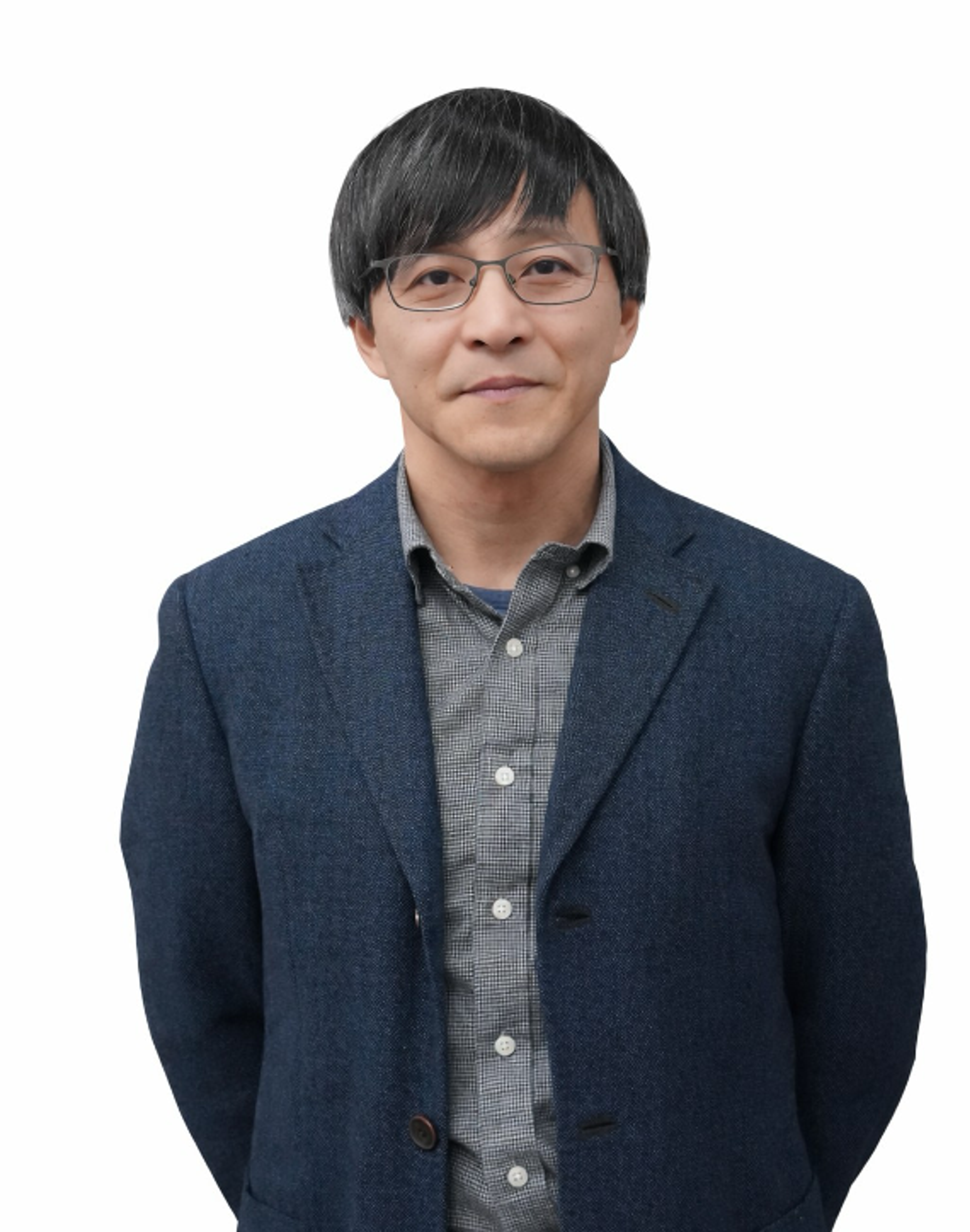
Xinyi FU is Professor and Doctoral Supervisor at the School of Philosophy, Fudan University, where he also serves as Chair of the Department of Religious Studies and Director of the Institute of Religious Studies. He is a member of the editorial committee and Deputy Editor-in-Chief of the Sequel to the Chinese Tripiṭaka (Chinese Section), Deputy Editor-in-Chief of Studies of Buddhist Culture, and serves on the editorial boards of journals such as China Social Science Excellence: Religion, Journal of the Buddhist Academy of China, and Hai Chao Yin. He also serves as Doctoral and Master’s Supervisor at several institutions, including the Buddhist Academy of China, the Buddhist College of Minnan, the Buddhist Academy of Zhejiang, the Buddhist Academy of Mount Emei, and the Lingdong School of Guangdong Buddhist College, and is Executive Director of the Research Center for Maitreya Studies at Mount Xuedou. He previously served as Lecturer and Associate Professor at the Center for Studies of Chinese Thinkers, Nanjing University, and subsequently as Associate Professor, Professor, and Doctoral Supervisor at the Department of Philosophy, Nanjing University.
His research focuses on Buddhist philosophy and textual studies, with particular emphasis on Yogācāra, Abhidharma, and Buddhist logic. His publications include A Critical Biography of Xuanzang and Vijñāna and Vijñānapariṇāma: On the Fundamental Issues of Xuanzang’s Vijñānavāda. He has published more than forty academic papers in both Chinese and international journals. He has led multiple research projects, including those funded by the National Social Science Fund of China (NSSFC) and a Key Project of the NSSFC Later-Stage Funding Program. Among other honors, he was awarded the Second Prize of the 10th Ministry of Education Outstanding Achievement Award for Scientific Research (Humanities and Social Sciences).
During his tenure as a Berggruen Fellow, his work will focus on exploring how Buddhist philosophy—particularly the doctrine of Consciousness-Only—and its understanding of language and human thought can provide a constructive theoretical framework for the age of artificial intelligence.