
June 4, 2026
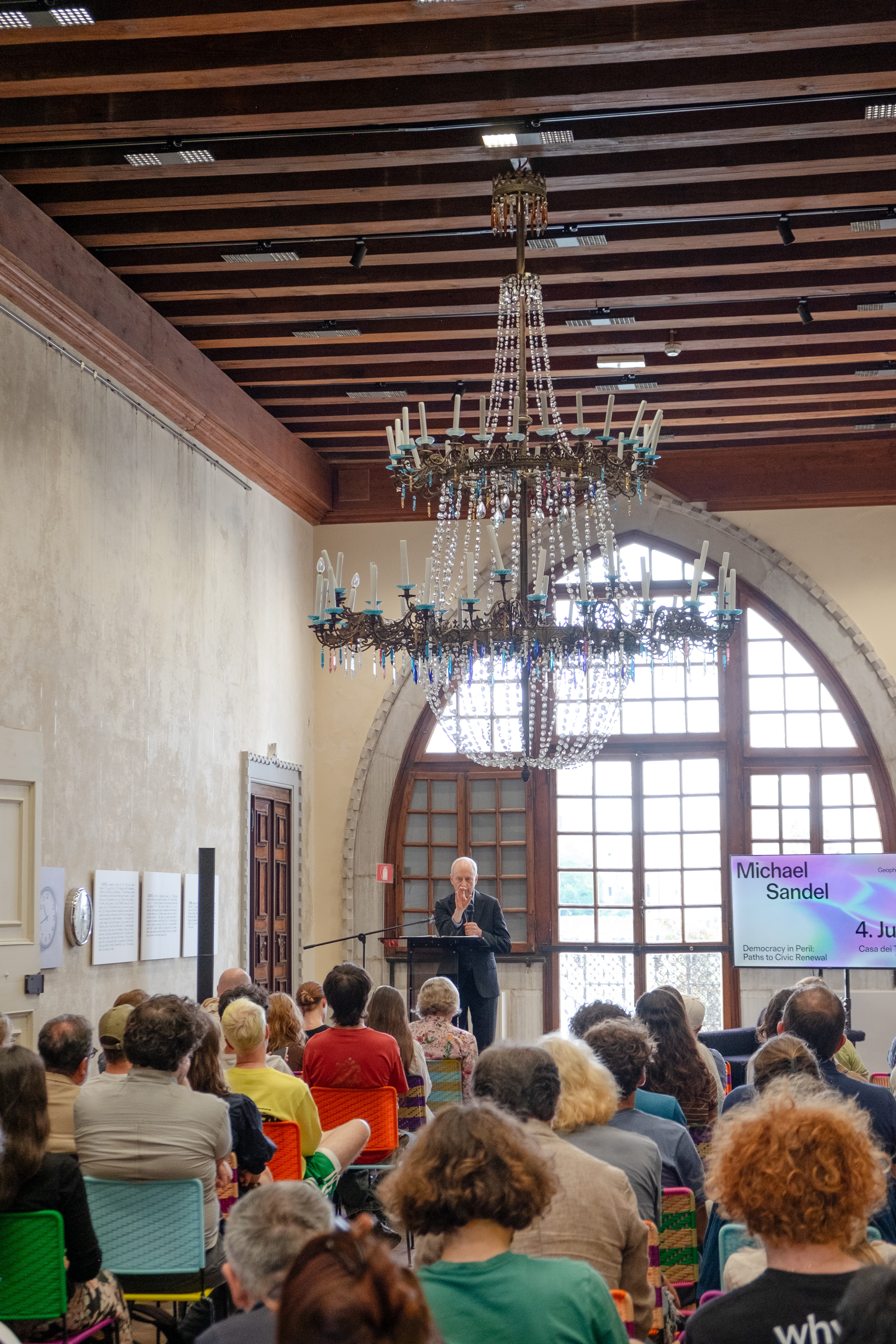
Michael Sandel
Democracy in Peril: Paths to Civil Renewal
--
In June, Berggruen Institute Europe hosted 2025 Berggruen Prize Laureate, Professor Michael Sandel, for a conversation surrounding the challenges and potential futures of contemporary democracy.
One of the world’s foremost political philosophers, Professor Sandel has spent decades interrogating liberal political thought, the moral contradictions of markets and meritocracy, and more. Across his many works including Justice, What Money Can’t Buy and, most recently, The Tyranny of Merit, he has critically examined what economic, social, and political institutions owe to the dignity of those who they govern.

April 28, 2026
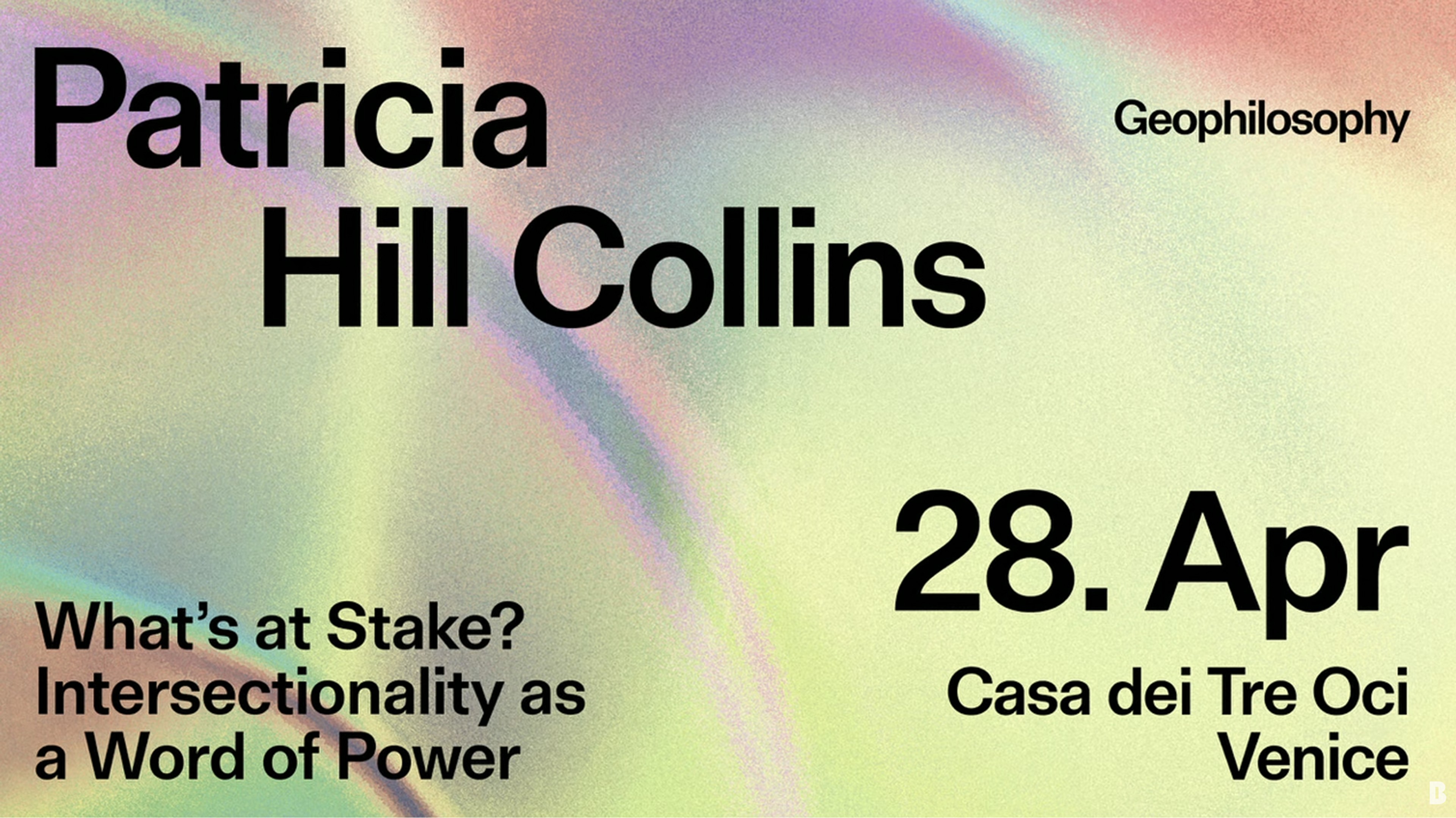
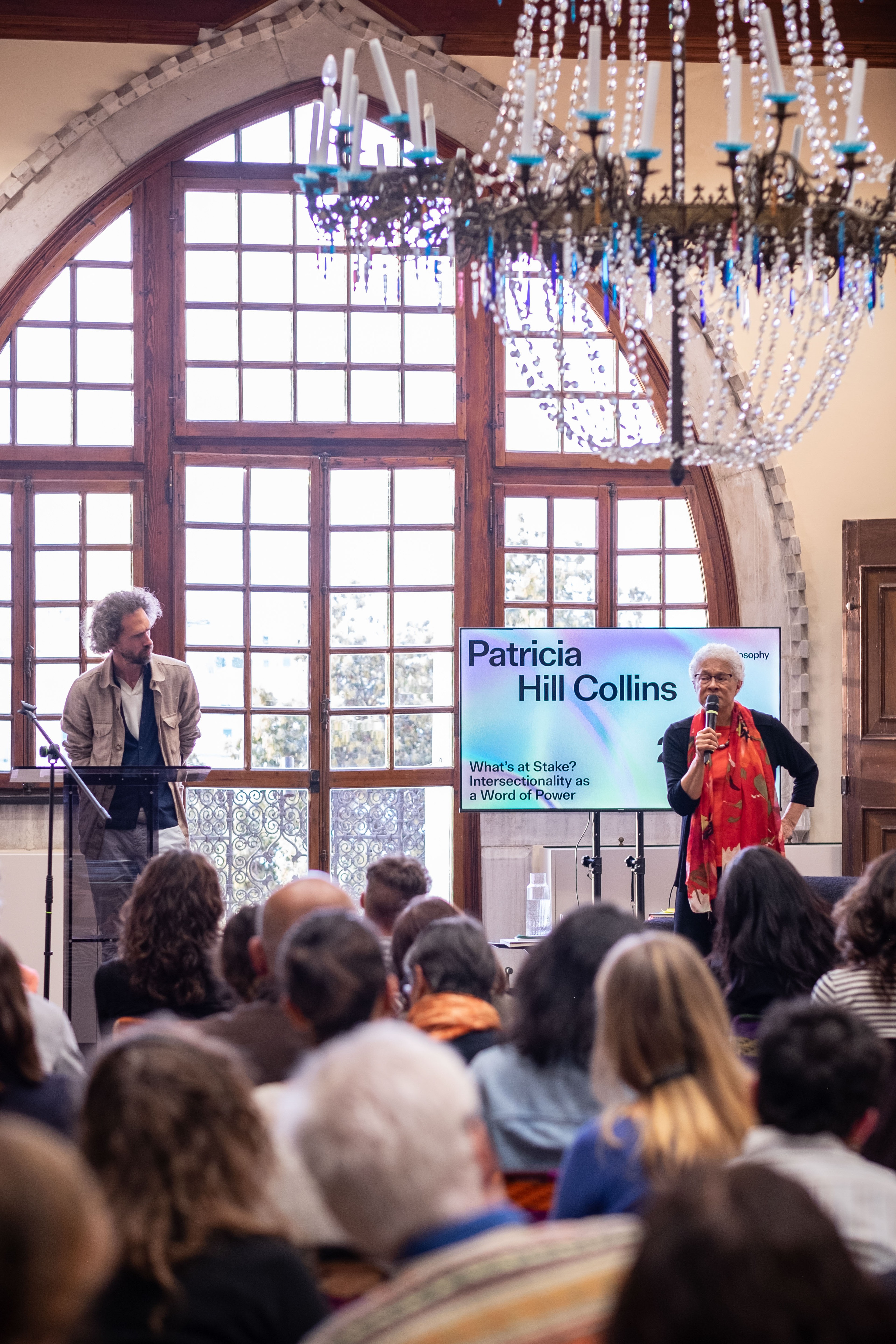
Dr. Patricia Hill Collins
What's at Stake? Intersectionality as a Word of Power
--
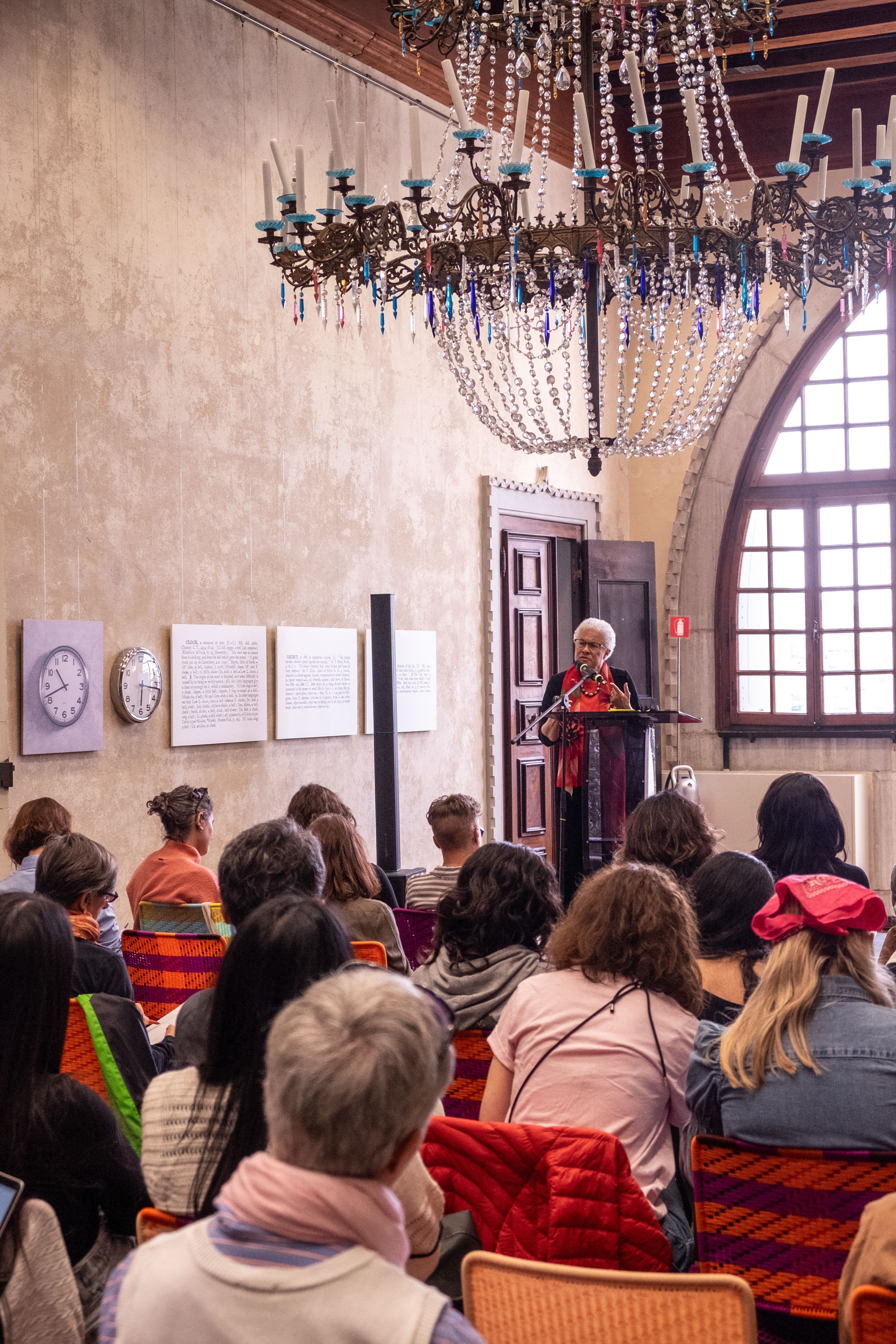
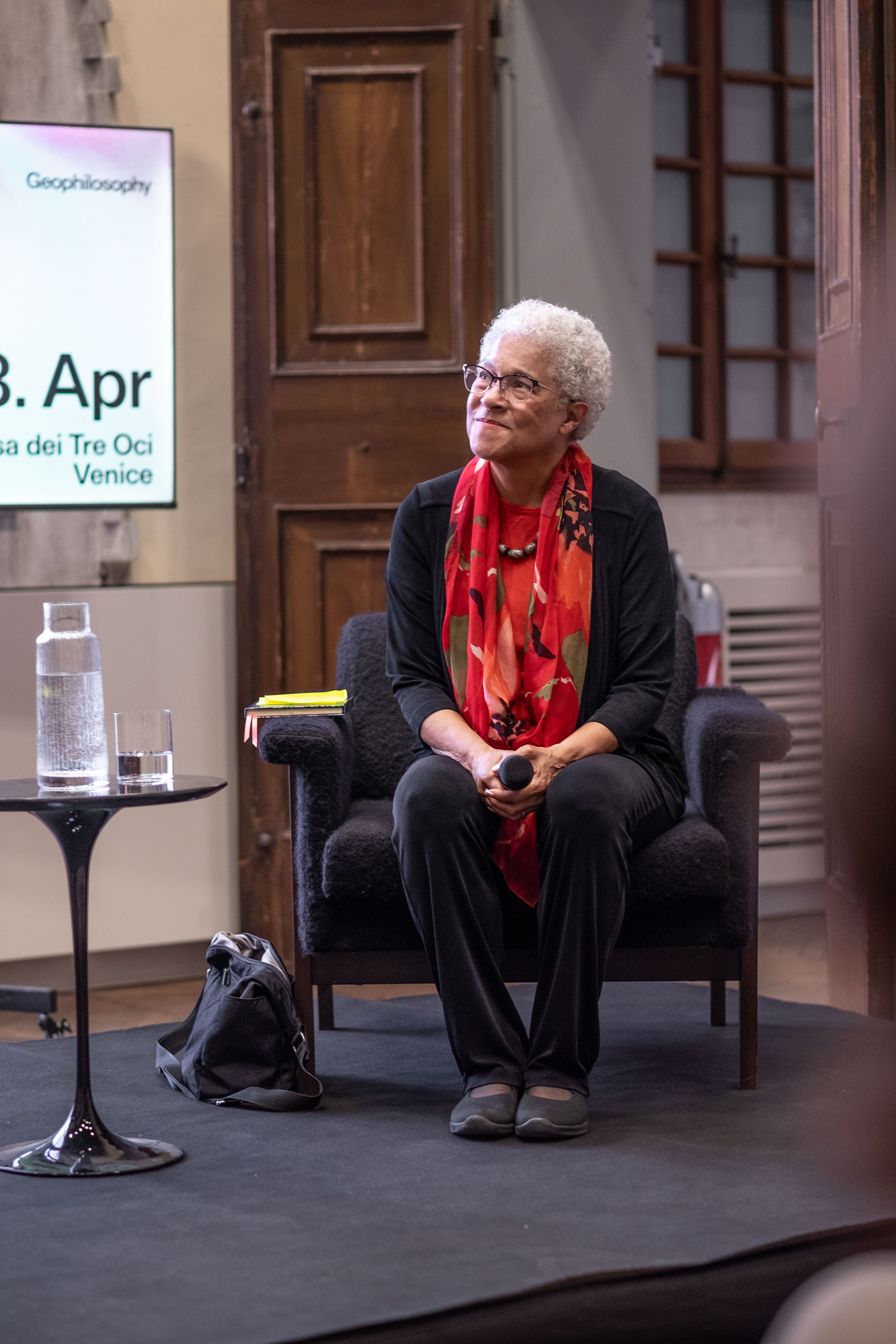
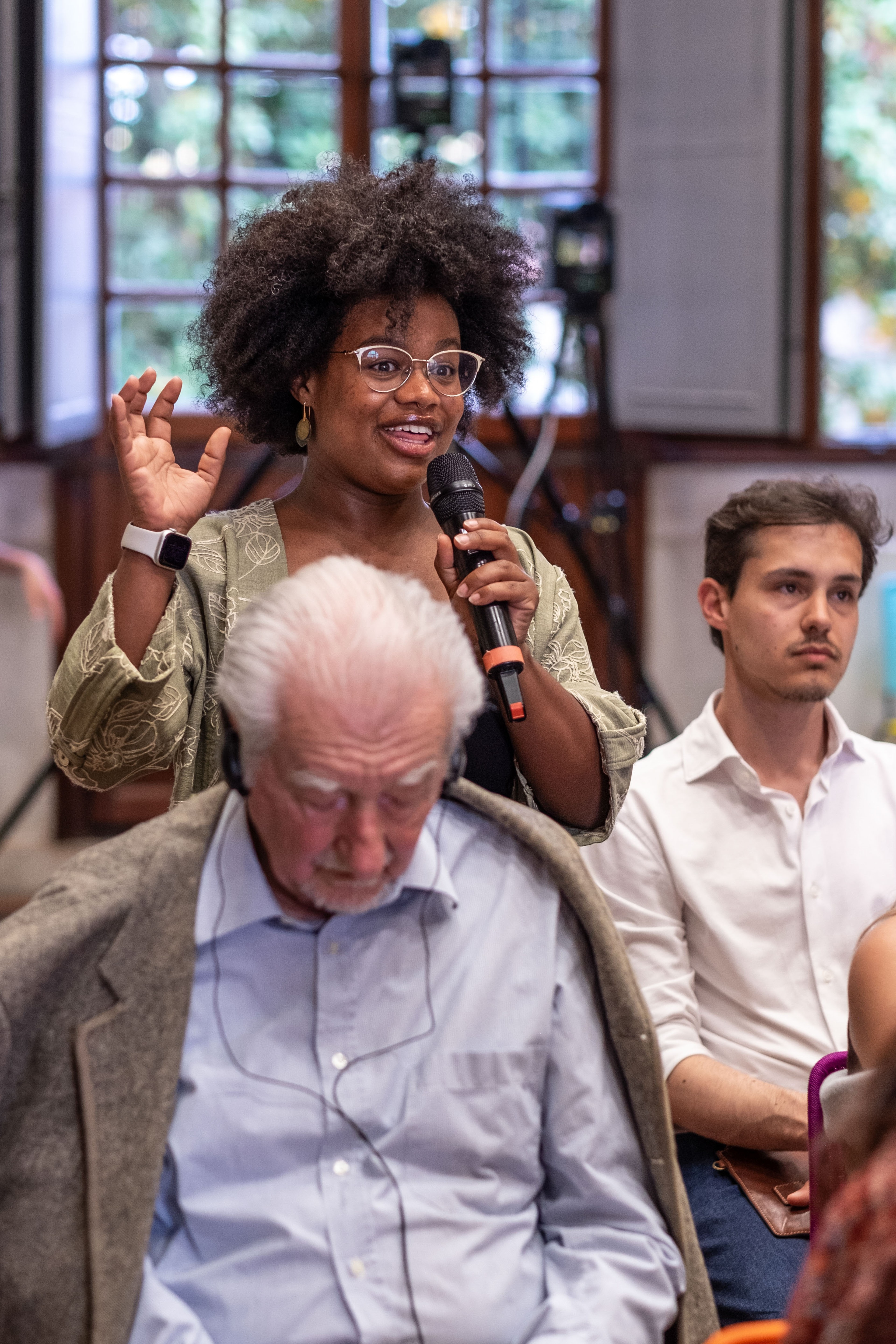
In April, Berggruen Institute Europe hosted 2023 Berggruen Prize Laureate, Dr. Patricia Hill Collins, for an evening lecture as part of the Geophilosophy lecture series at Casa dei Tre Oci.
An esteemed academic, Dr. Collins’s contributions to the fields of critical social theory, feminism, and more cannot be understated. Yet beyond Dr. Collins’s pursuit to provide the language to describe our current condition, what she calls “words of power,” she is fervently committed to building upon the ideas to improve it; her work intertwines theory with praxis. Since the release of her first book, Black Feminist Thought, and throughout her career, Dr. Collins has consistently contoured, and often unsettled, contemporary sociological thought. She continues to remind us that knowledge is not neutral, but epistemically embedded in structures of power.
After opening remarks from the Scientific Director at Berggruen Institute Europe, Niccolo Milanese, Dr. Collins offered the audience a guiding topic for the evening, and one central to her work: intersectionality. Intersectionality, she specified, describes the manner in which overlapping social categories (race, sex, class, and more) intersect to form distinct relations of oppression and privilege. In this way, the notion of intersectionality challenges the often reductive nature of ‘us vs. them’ outlooks, instead constructing “interpretive space” among an array of people. Indeed, it was this interpretive space – expansive and alive – that Dr. Collins spent the evening inviting the audience to inhabit.
Over the course of her lecture, Dr. Collins used powerful examples from her body of work – namely drawing on Intersectionality as Critical Social Theory, Intersectionality, and Lethal Intersections – as discursive conduits. You can watch the full lecture here.
February 9, 2026
Zhang Yongle
Concert of Powers: from Vienna to Beijing
--
The Congress of Vienna (1814-1815) inaugurated the Concert of Europe, a multilateral mechanism designed not only to arbitrate matters of war and peace but also to manage complex financial obligations, such as the Greek debt crisis. As this mechanism extended its reach into colonies and semi-colonies, it forged new political paradigms. In late Qing China, Chinese diplomats sought to leverage the "balance of power" to forestall a collective "concert" that might lead to the partition of China. Nevertheless, the Concert of Powers manifested decisively during the Boxer Rebellion (1900-1901) and the 1911 Revolution, profoundly steering China's political transfor-mation. The collapse of this system in 1914, and the subsequent failure to reconstruct it after World War I, provided China with a strategic window to pursue its sovereign autonomy. Today, as calls for a "new concert of powers" re-emerge, these historical precedents may offer vital insights into our contemporary global
Click here to learn more about Zhang Yongle's European residency
November 27th 2025
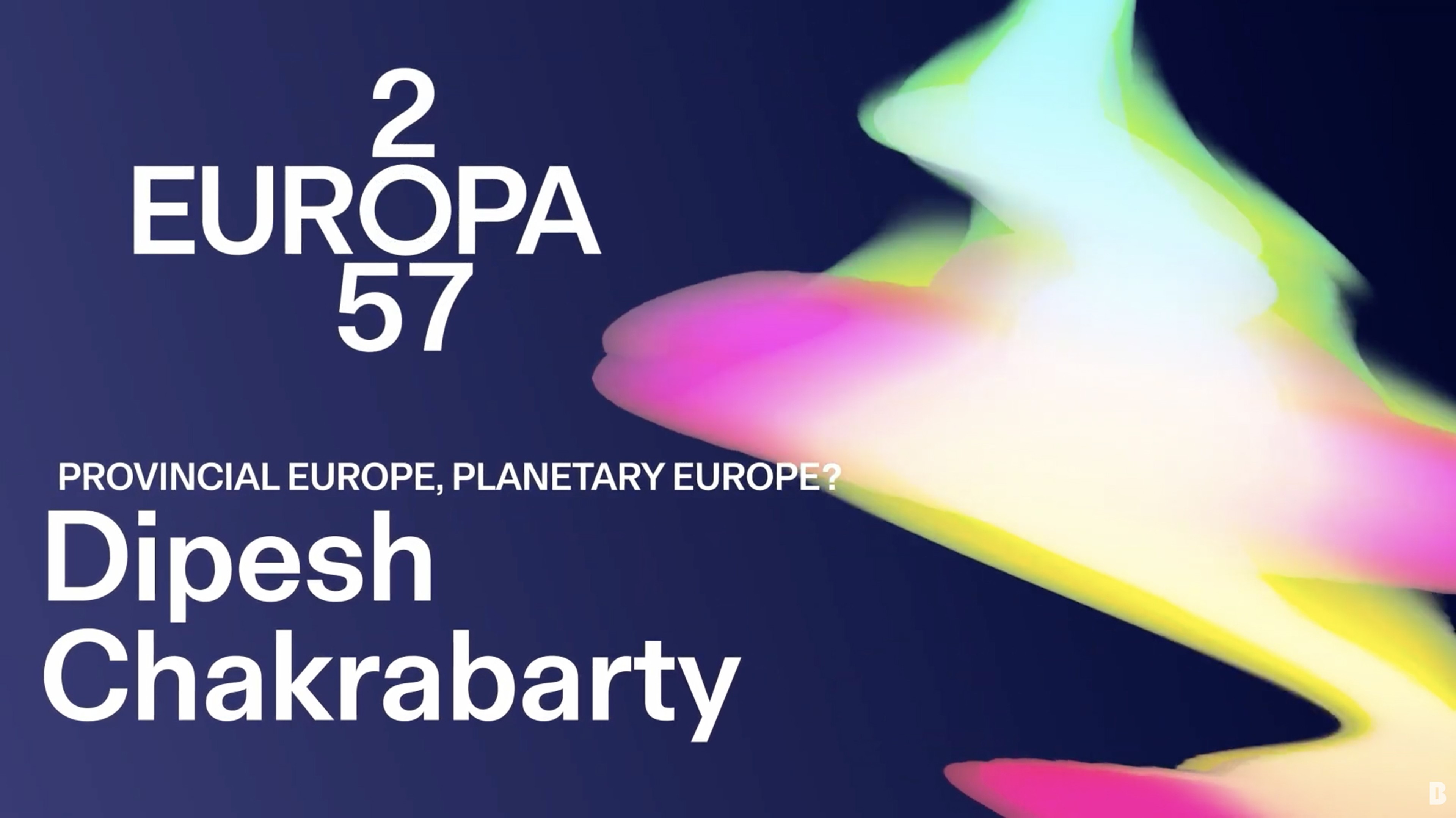
Dipesh Chakrabarty & François Hartog
Cosmopolitan time and the future of the present
--
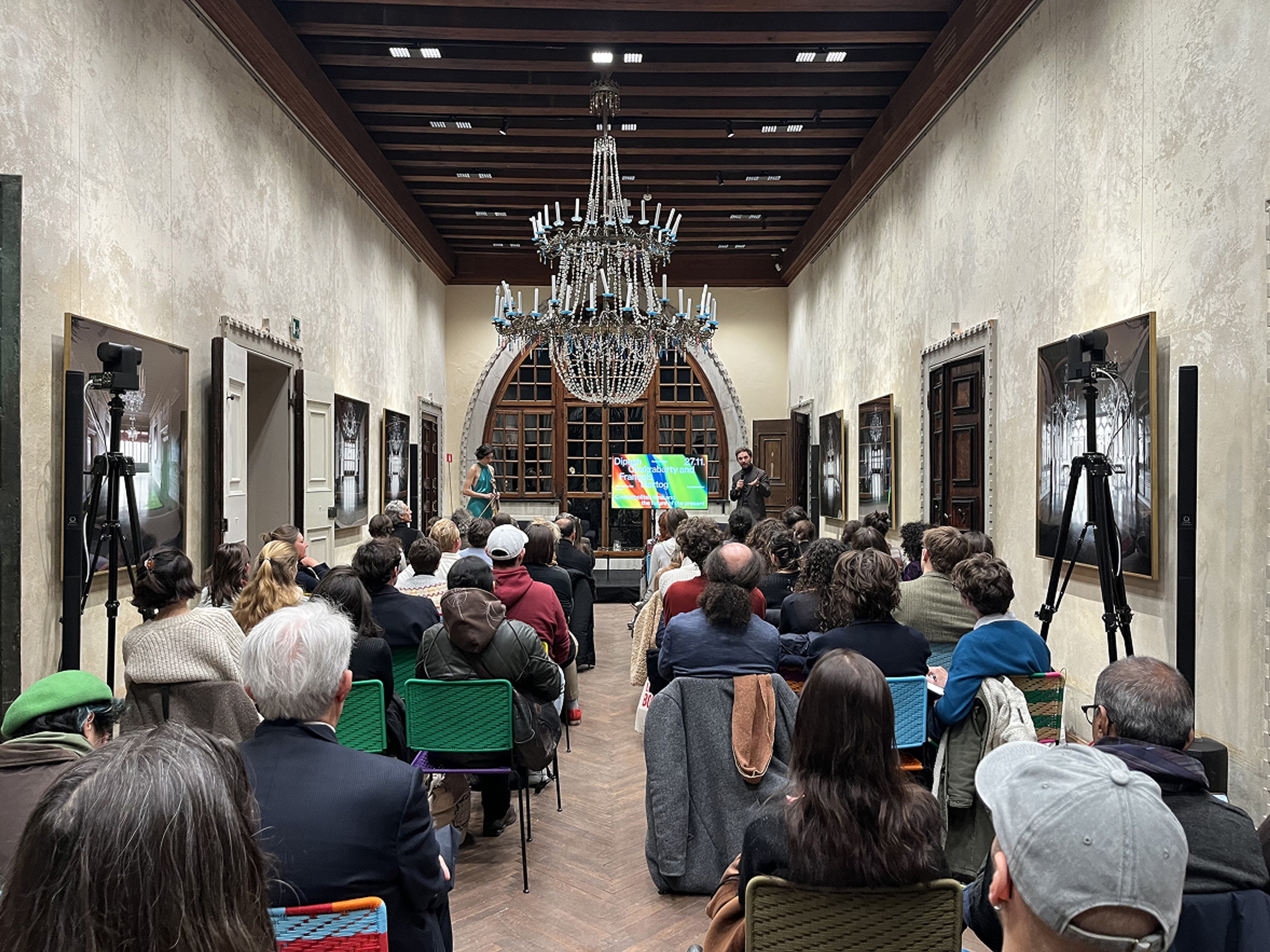
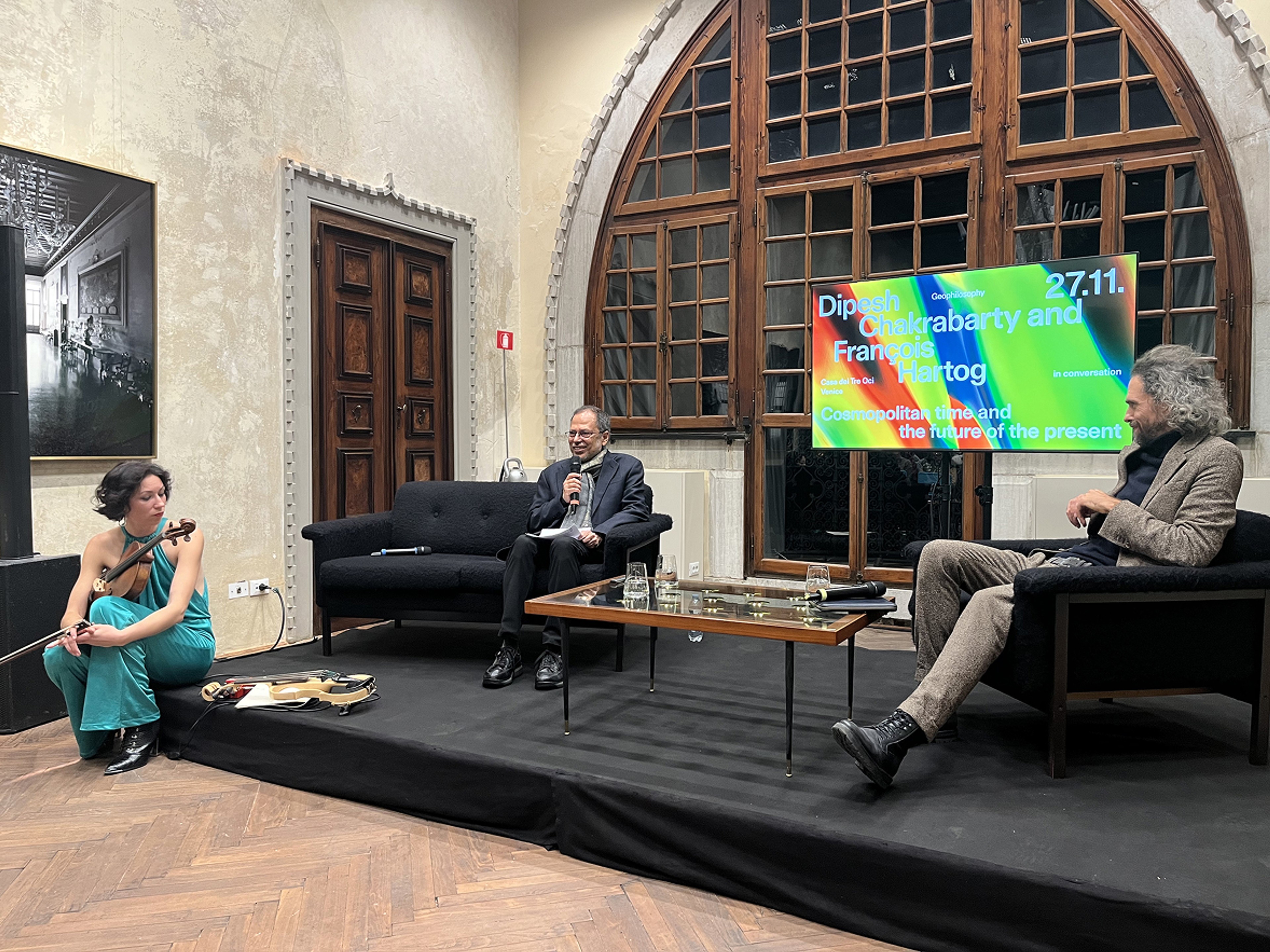
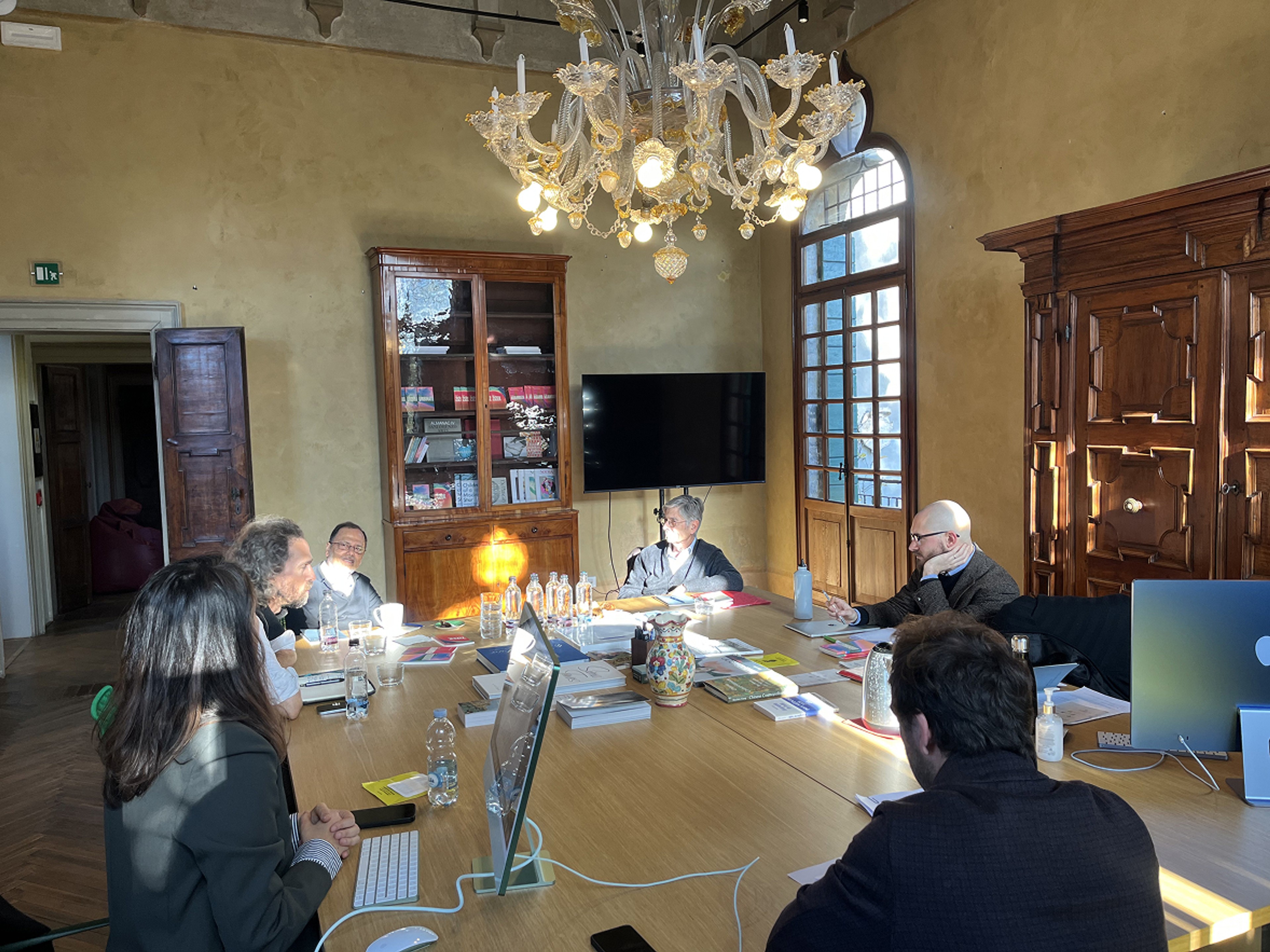
In an era of planetary risks, climate breakdown and dramatic technological development, how do our conceptions of time and history change? Our sense of the time of the planet extends millennia before humans appeared, and potentially millennia after continued human presence - what does this do to our sense of history and our own place and role in it?
April 28th, 2025
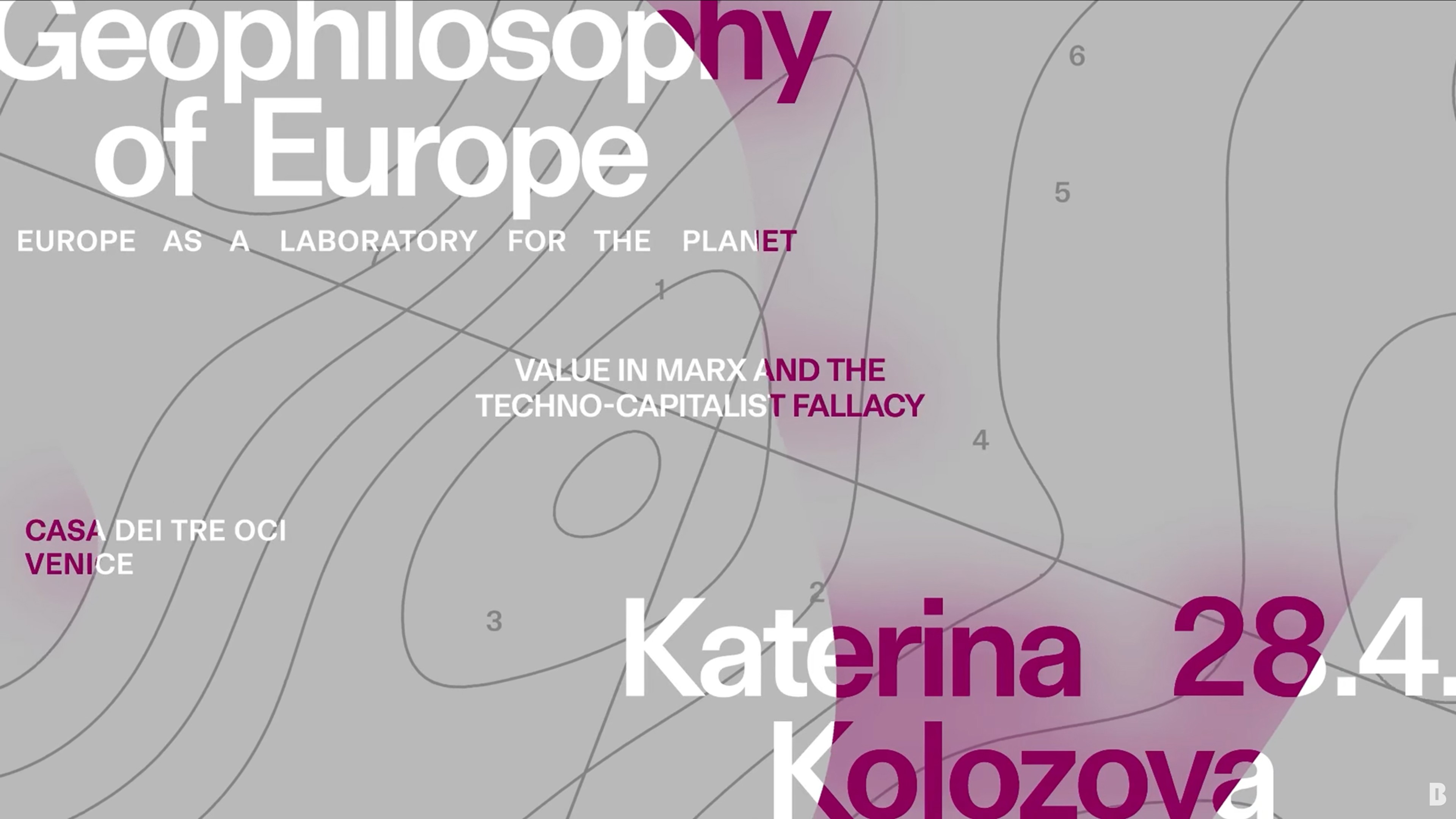
Katerina Kolozova
The Techno-Capitalist Fallacy: Value, Capitalism & Subjectivity
--
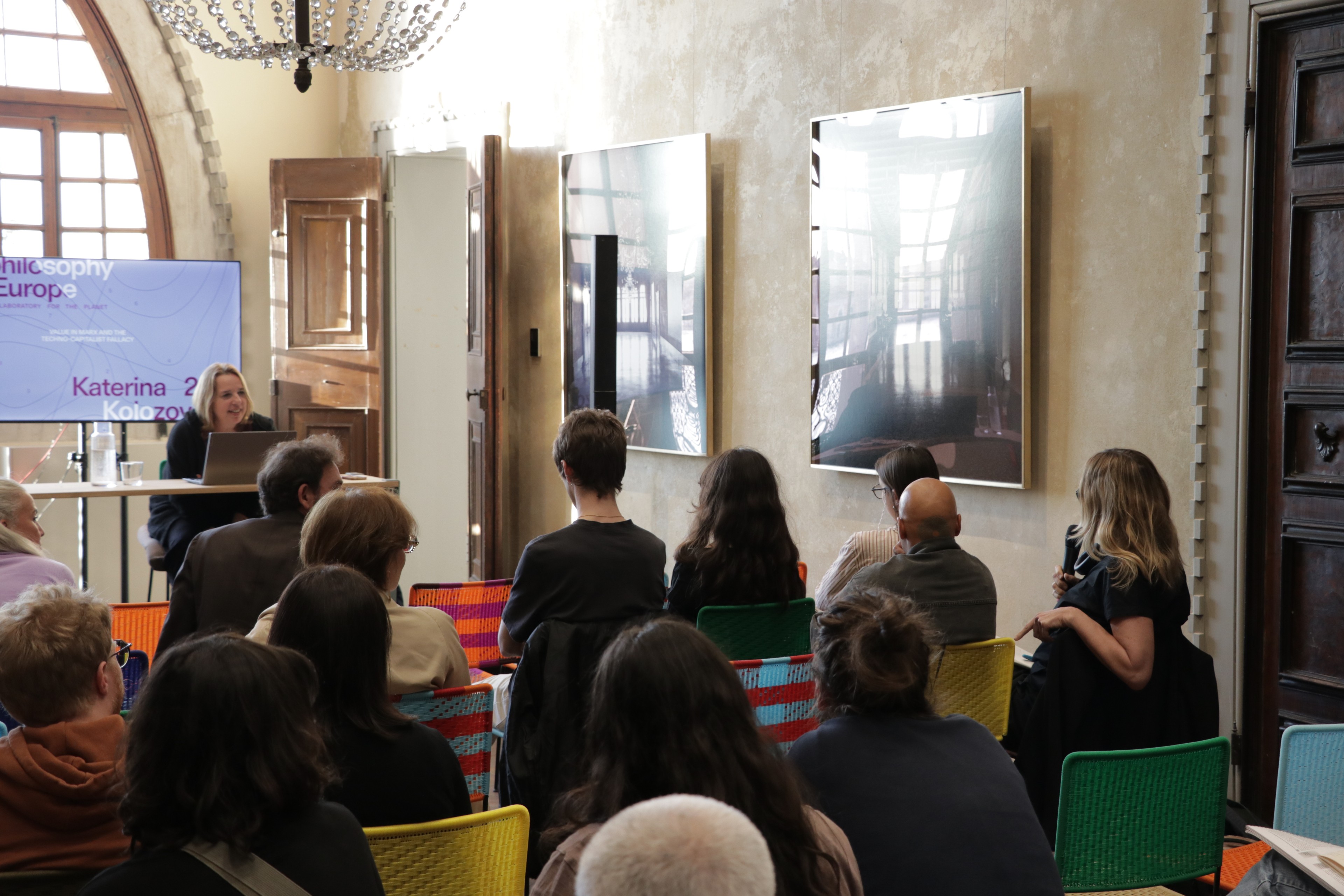
Katerina argues that Marx’s path is one “no one had yet taken,” and it consists in the ability to materially ground the most abstract of things – the operations of value production as a process of signification. In philosophy and in capitalism, Matter is resource to Value (Signification and Significance), and its existence in and of itself is “pointless” unless assigned value. Marx’s argument is that abstractions, including social relations, in capitalism but in idealist philosophy too, tend to constitute the mirage of a self-sufficient universe. This illusion, Marx intimates in the third volume of Capital, is in contradiction with the real material conditions of human production and becomes ultimately unsustainable. Today the techno-capitalist epistemic fallacy and displaced metaphysics of the self-sufficient universe of pure (financial) value is facing its final contradiction: the physical or material limitations of its very possibility.
March 7th 2025
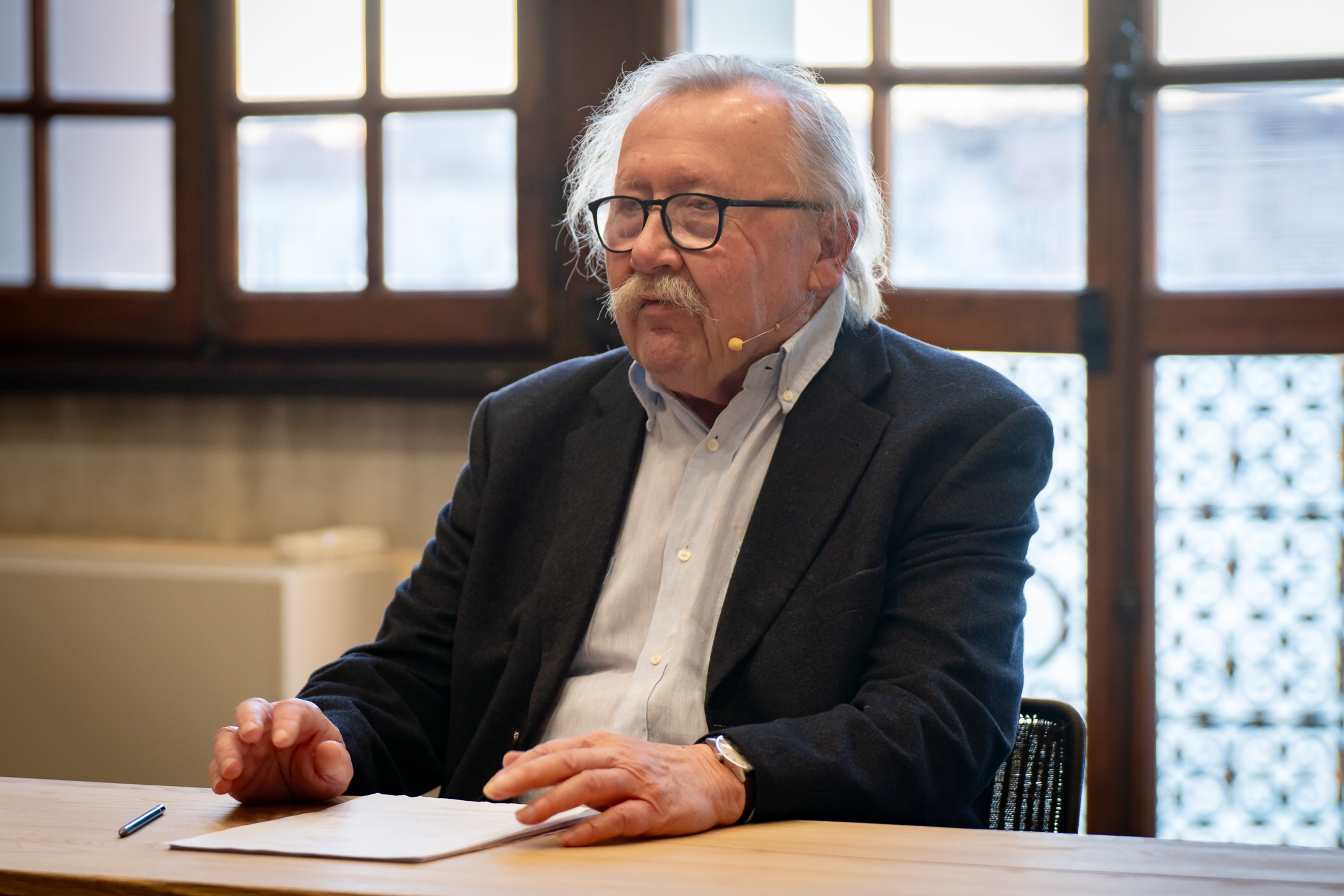
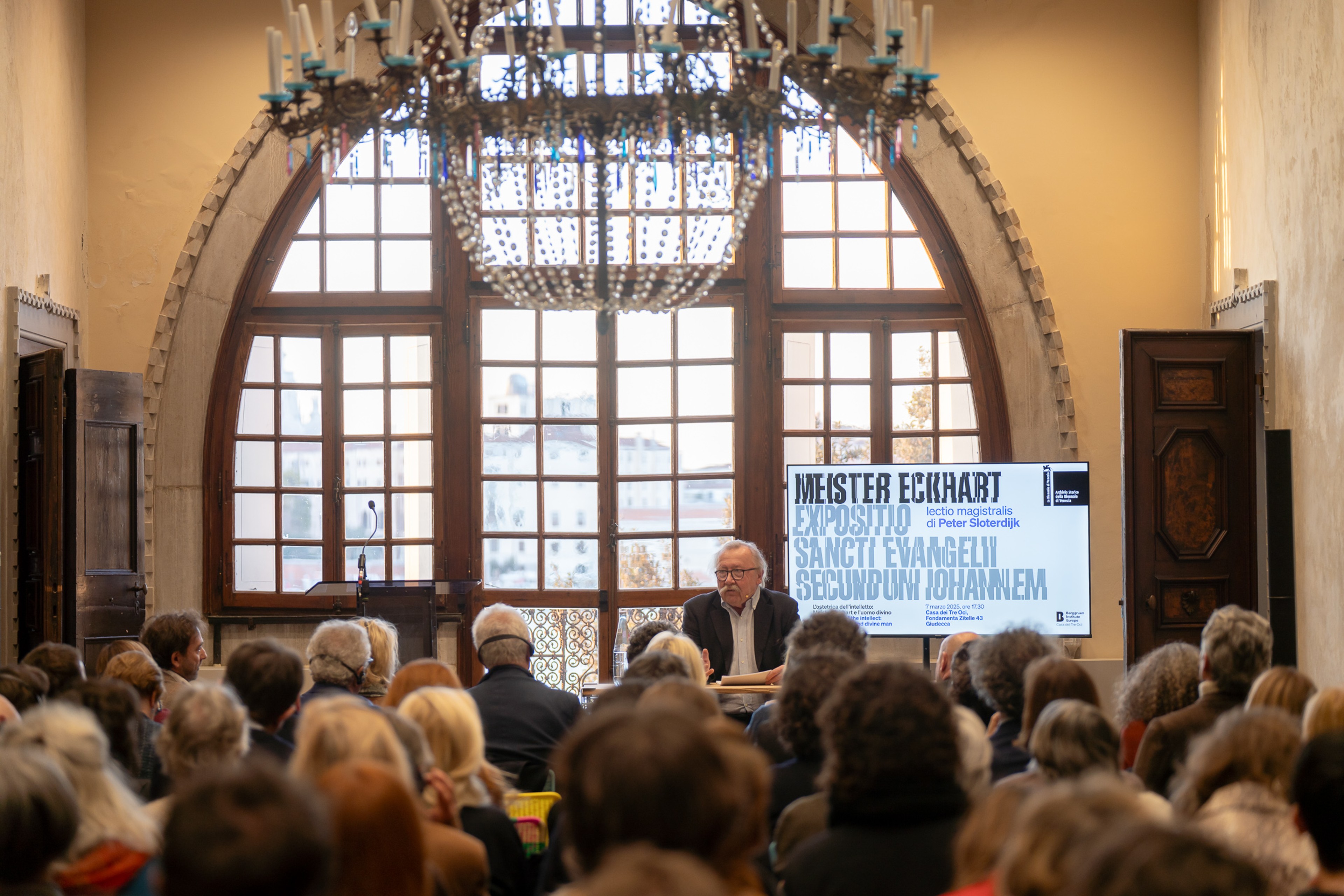
Peter Sloterdijk
The Midwife of the Intellect: Meister Eckhart and the Divine Man
--
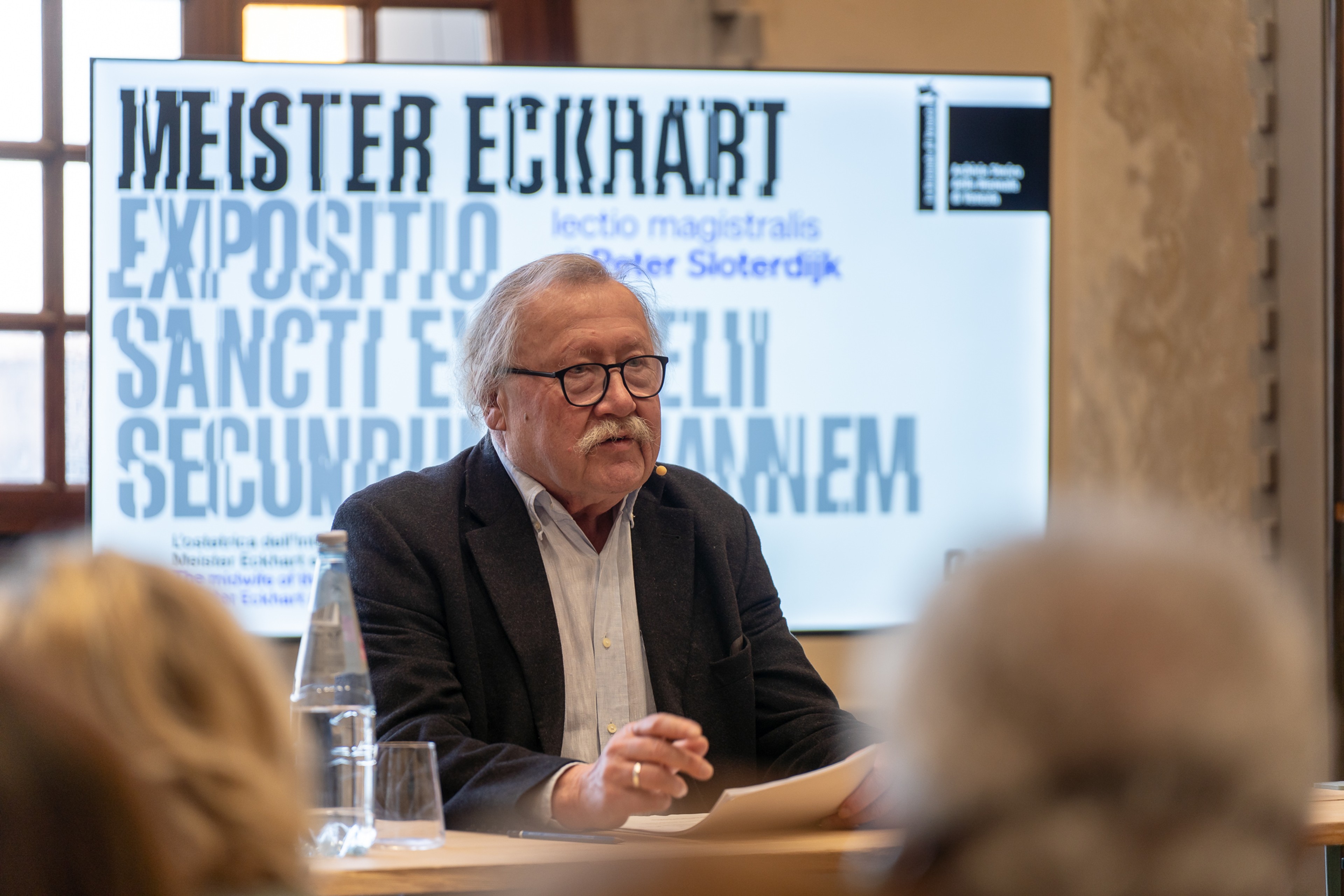
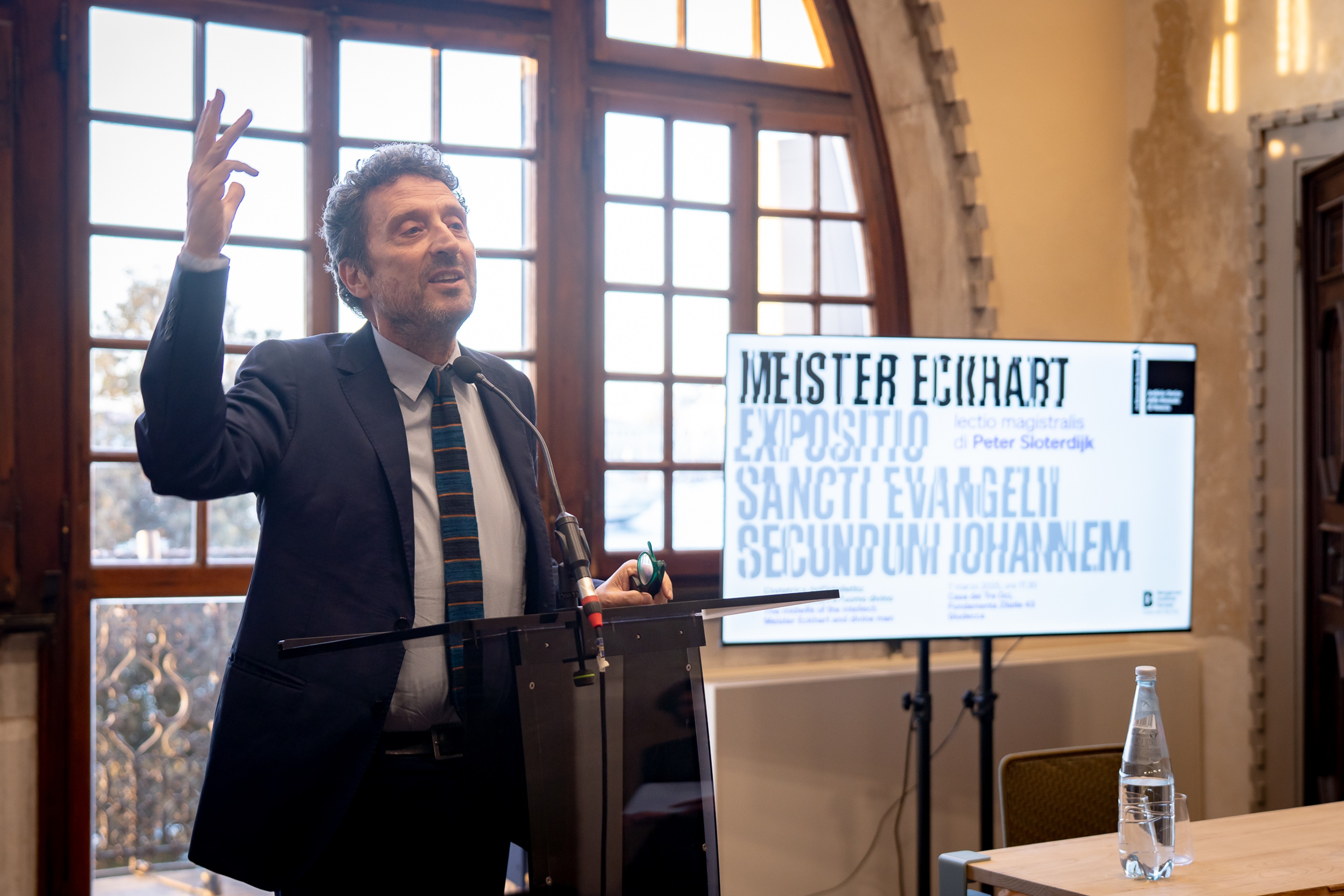
Peter Sloterdijk was among the protagonists of the Special Project of the Historical Archive of La Biennale, Expositio Sancti Evangelii secundum Iohannem by Meister Eckhart (Ospedale Civile SS. Giovanni e Paolo, March 5th-9th, 2025, repeated March 11th-15th, 2025).
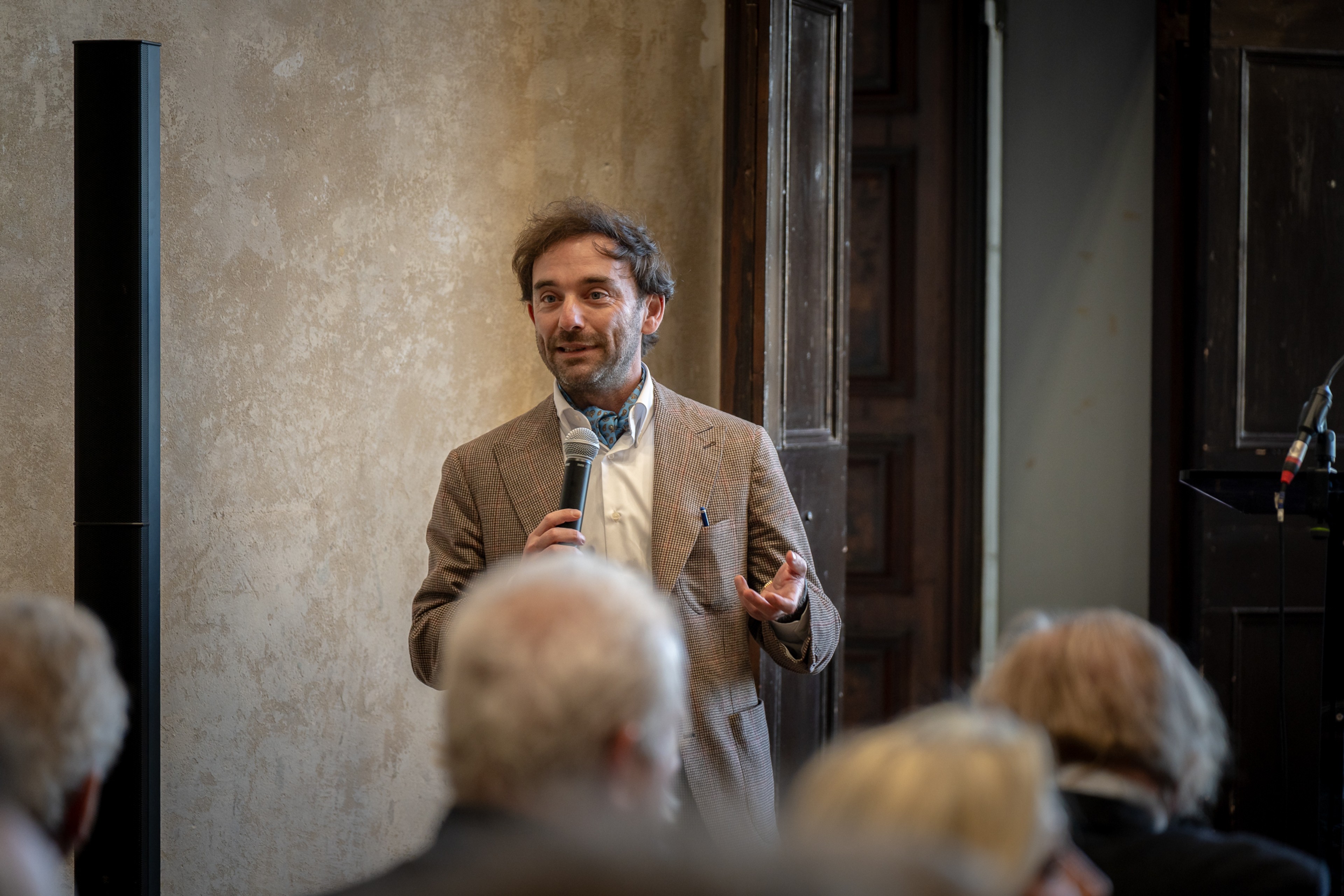
The participation of the German philosopher, known for his analysis of modernity and his critique of the structures of Western thought, is the result of a collaboration between La Biennale di Venezia and the Berggruen Institute Europe.
February 4th, 2025
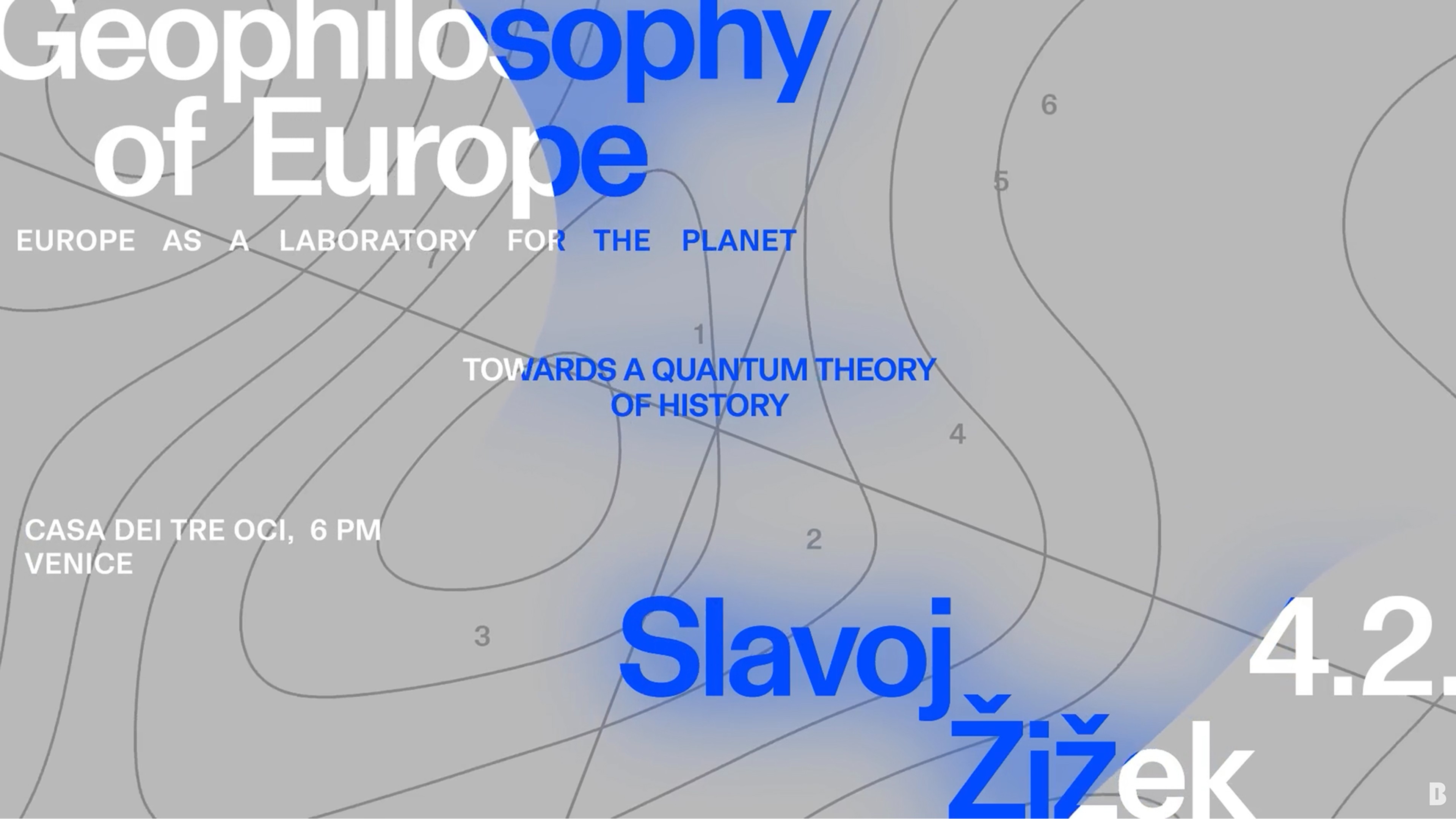
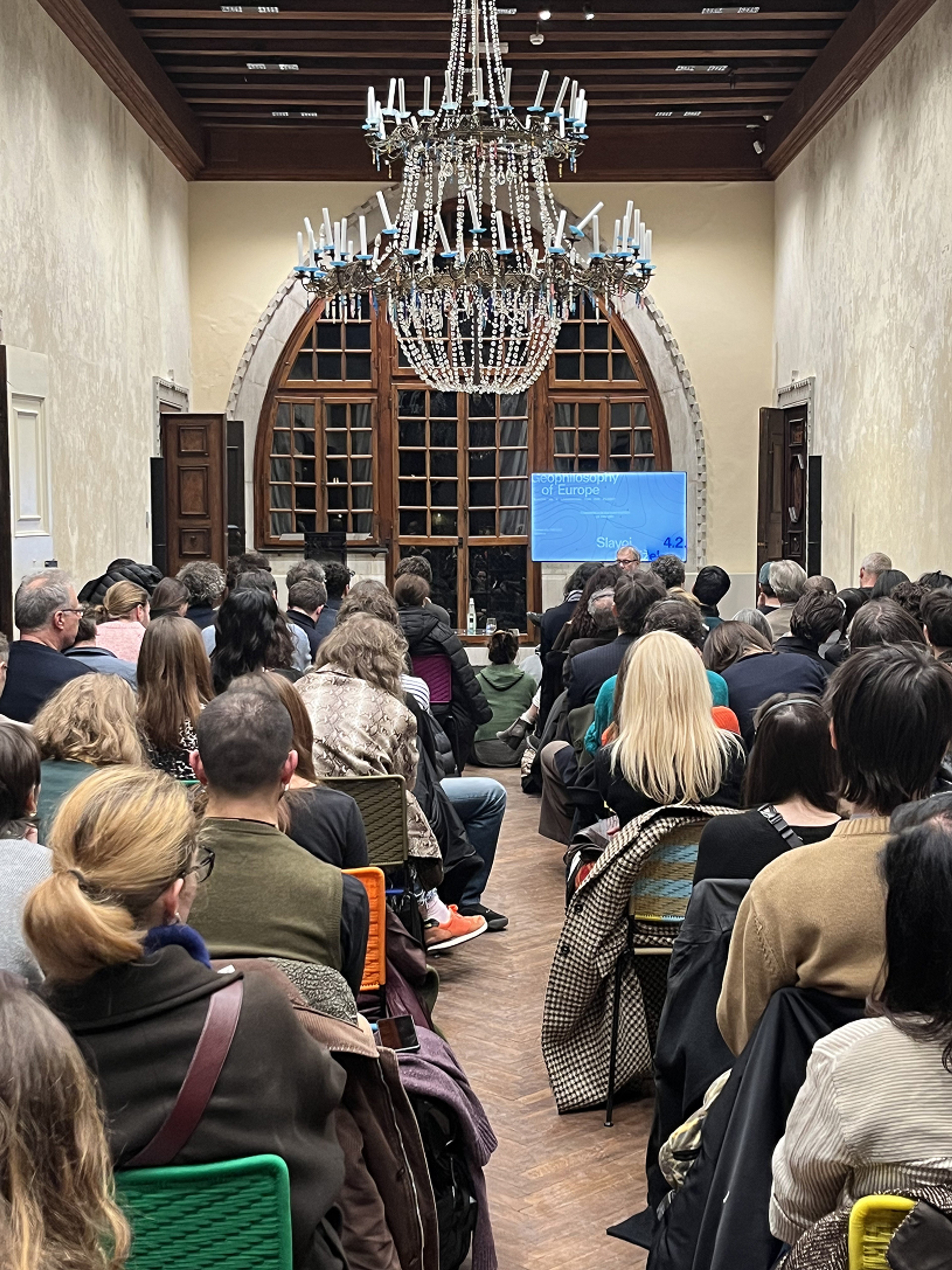
Slavoj Žižek
Toward a Quantum Theory of History
--
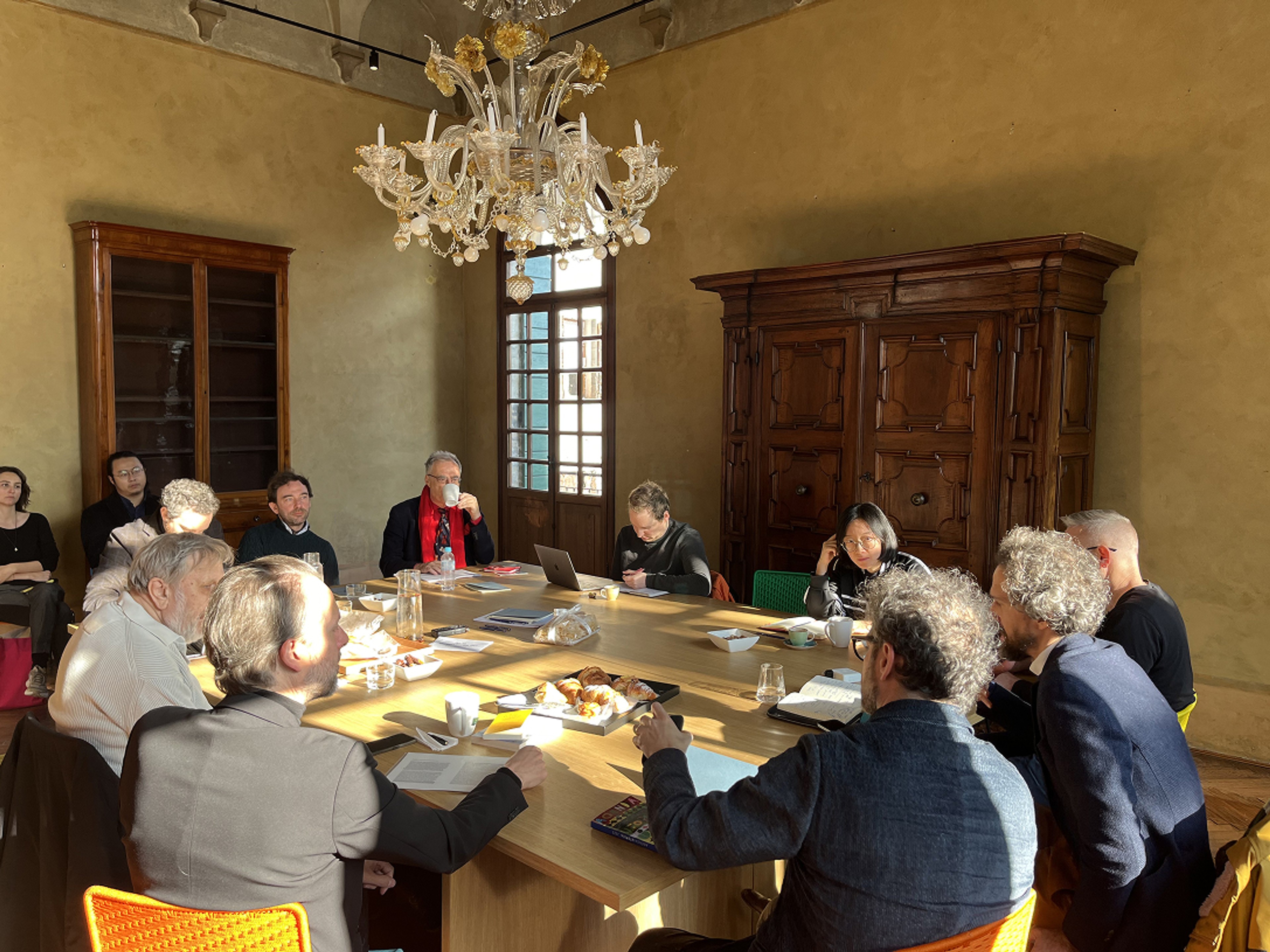
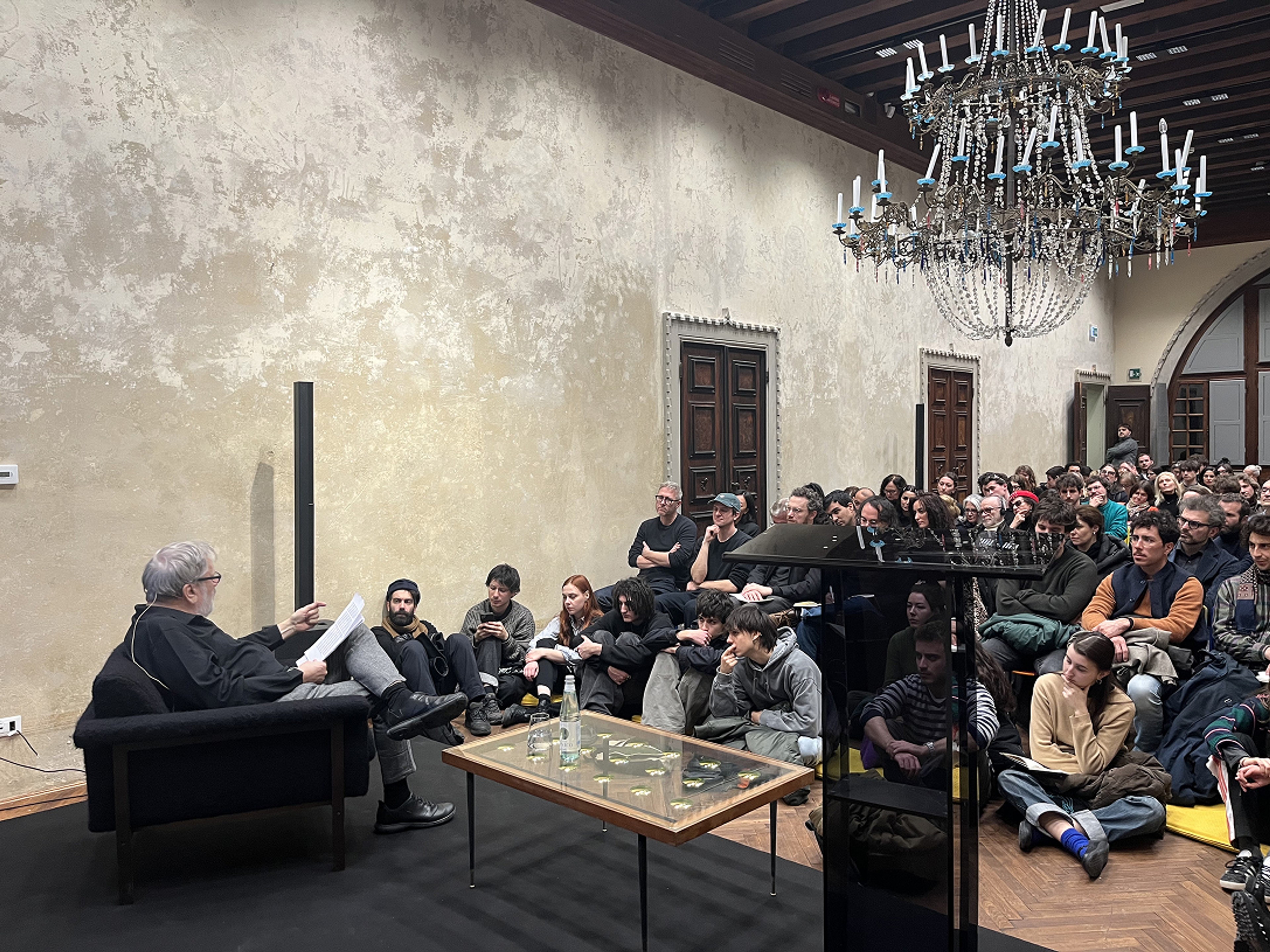
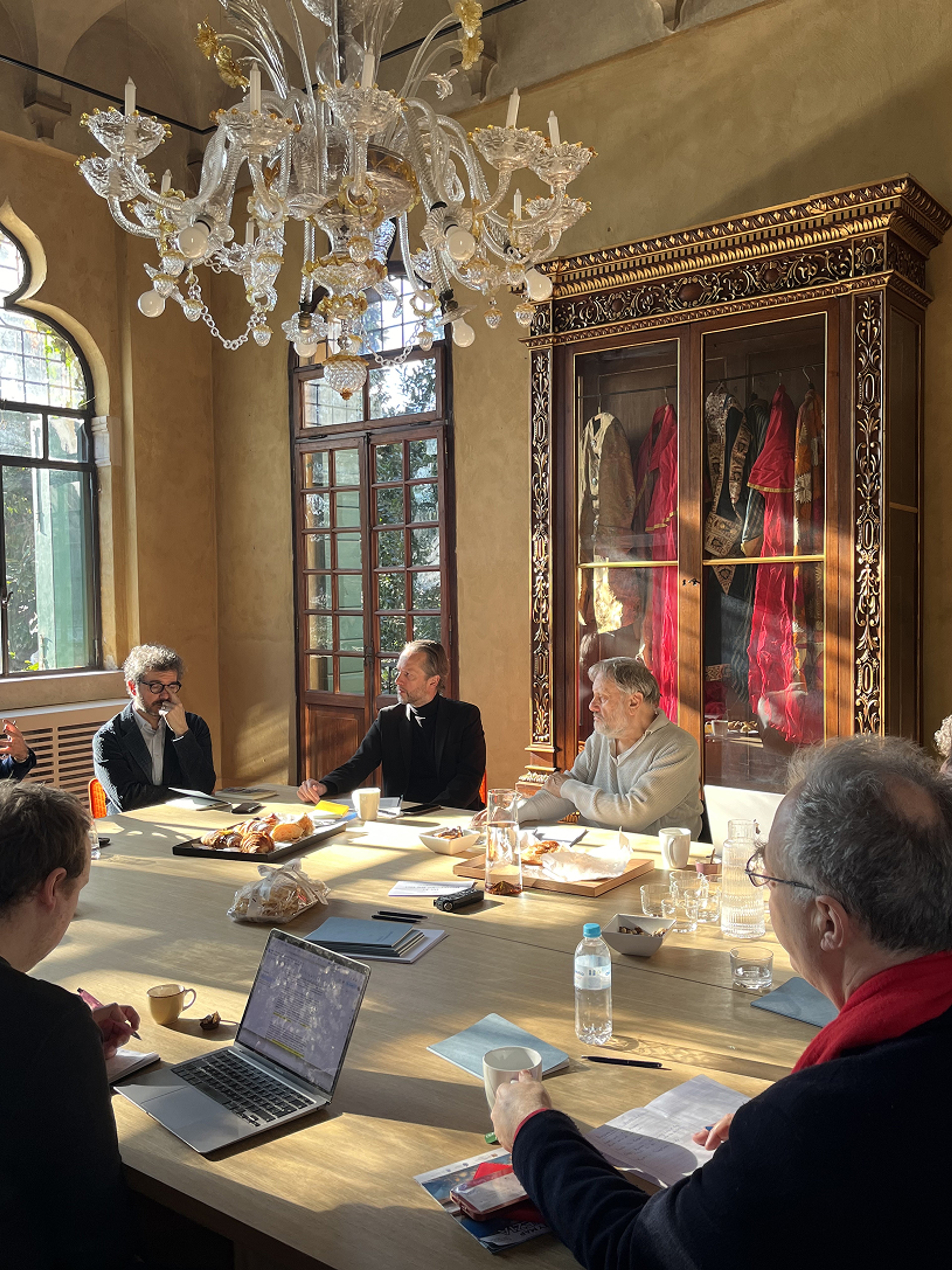
The lecture by Slovenian philosopher Slavoj Žižek, part of the Geophilosophy of Europe program, started to investigate another theme of great importance to the Berggruen Institute, namely Time - Consciousness, which will be more fully developed in a specific program in the near future.
Linear history is a myth. Quantum theory holds that systems can be in multiple states and configurations at once: this is obviously the case with our world, which cannot be reduced to 1 or 0. Building on this insight, a new theory of history and transformation can be operationalized as the basis of a new policy.
In the video interview below, we asked Žižek why should a new theory of history and transformation be operationalized as the basis of a new politics and which is Europe’s role in the current planetary politics.
November 21st, 2024
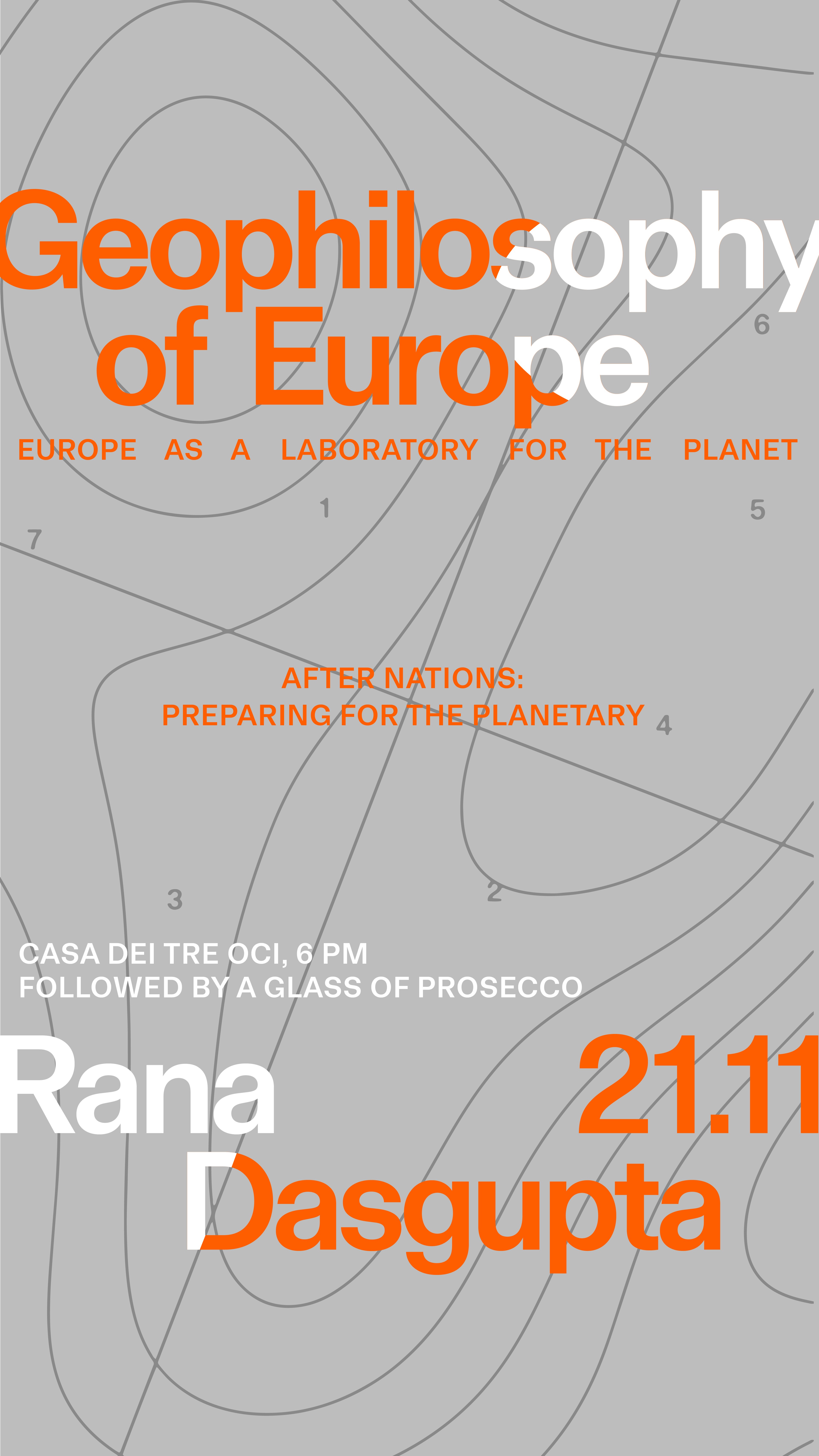
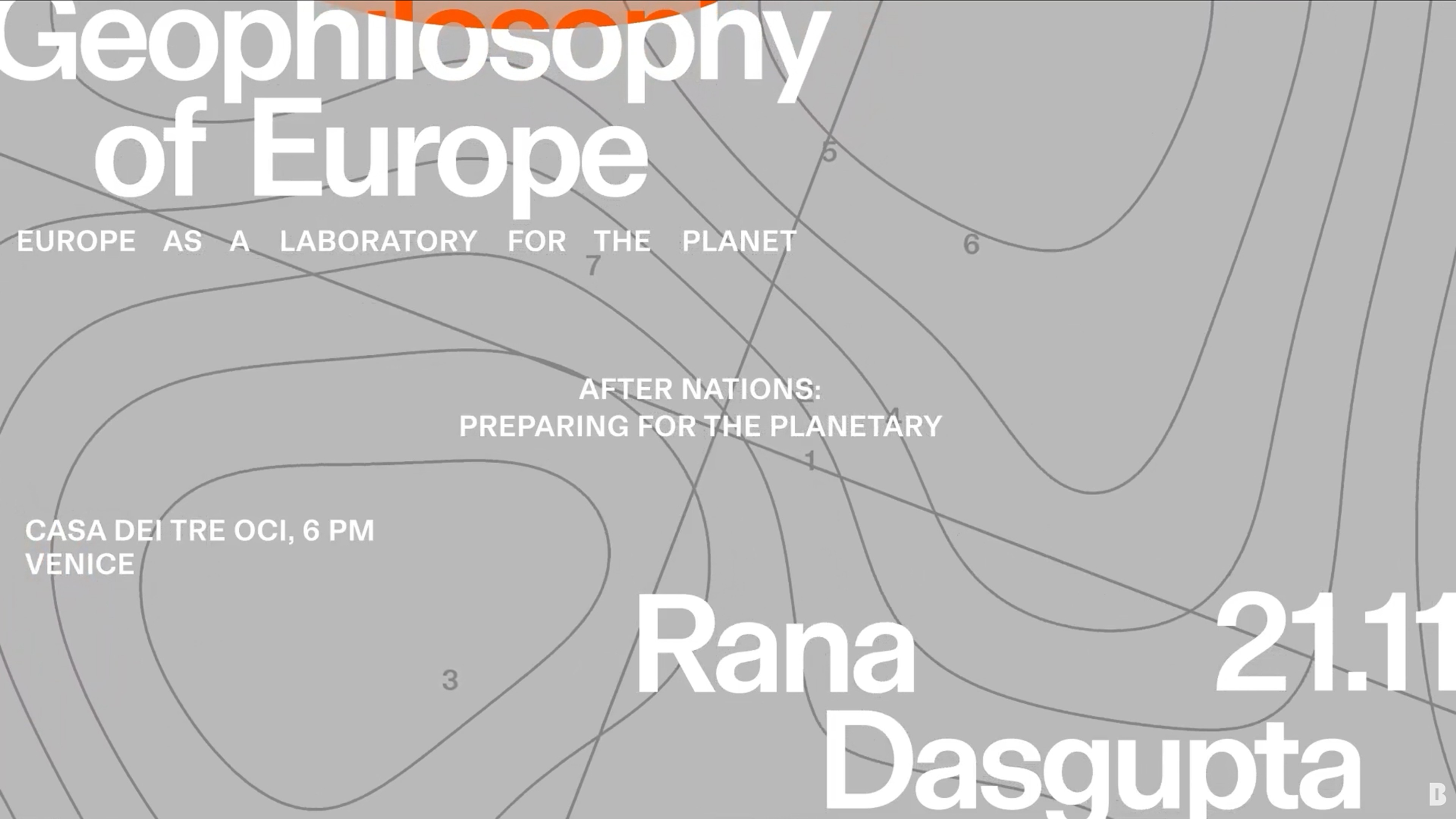
Rana Dasgupta
After Nations: preparing for the planetary
--
On November 21st, BIE hosted a lecture with novelist and essayist Rana Dasgupta on the unraveling of the nation-state and the urgent need to prepare for planetary politics.
The nation-state, as the dominant model of governance, is failing across multiple dimensions - theologically, economically, legally, and ecologically.
If this trajectory continues unchecked, it risks leading to a prolonged period of disorder, a modern “Dark age”. To prevent such collapse, new systems must emerge - ones capable of operating at the scale of 21st century challenges and transforming globalization from an extractive, unstable force into a cohesive planetary society.
In the video interview below, Dasgupta, author of the upcoming After Nations, explored the foundations of these necessary planetary systems, how they might take root within the current global order, and the role Europe can play in shaping this transition.
October 07th 2024
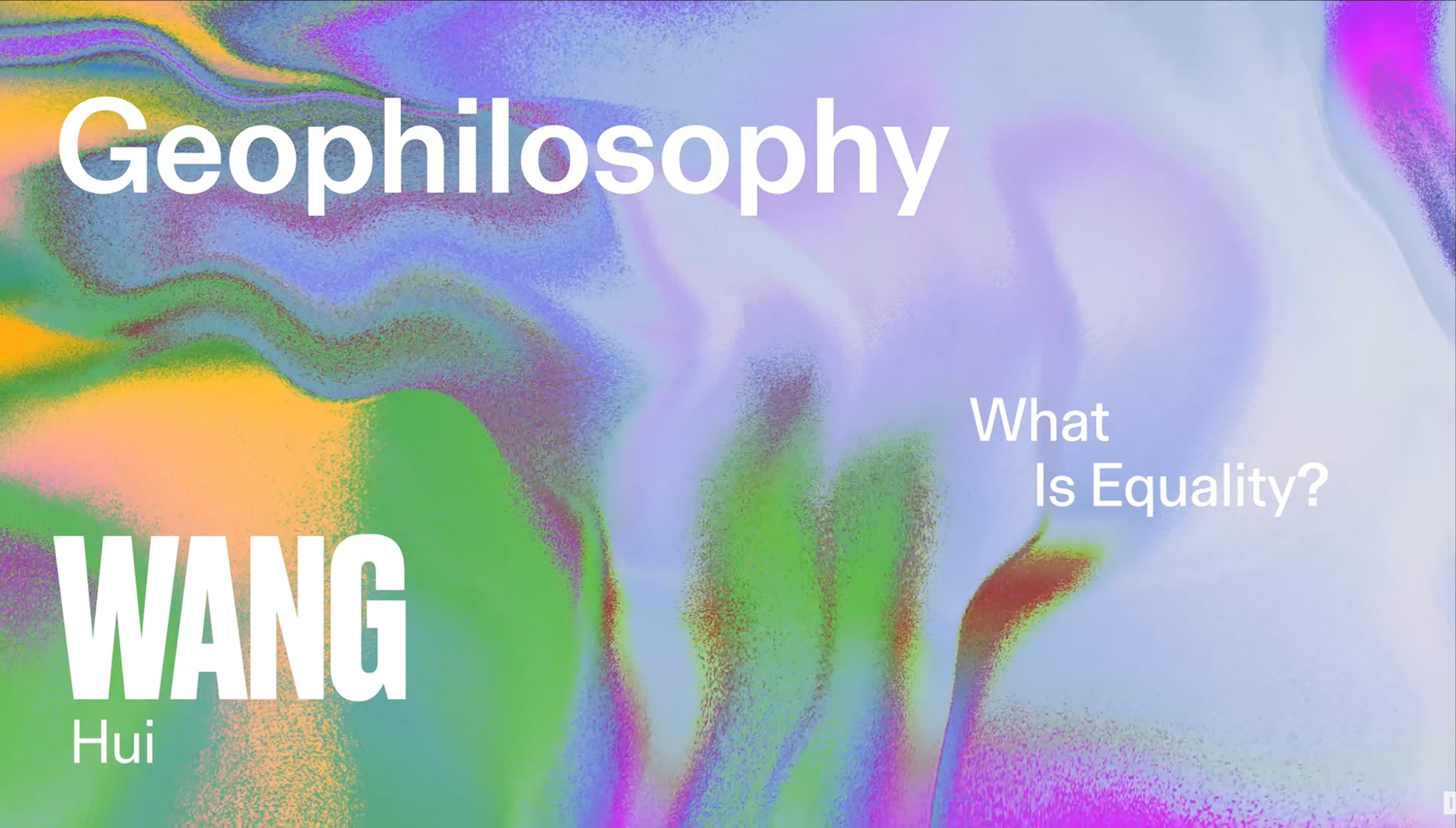
Wang Hui
China, Europe and the future of civilizations
--
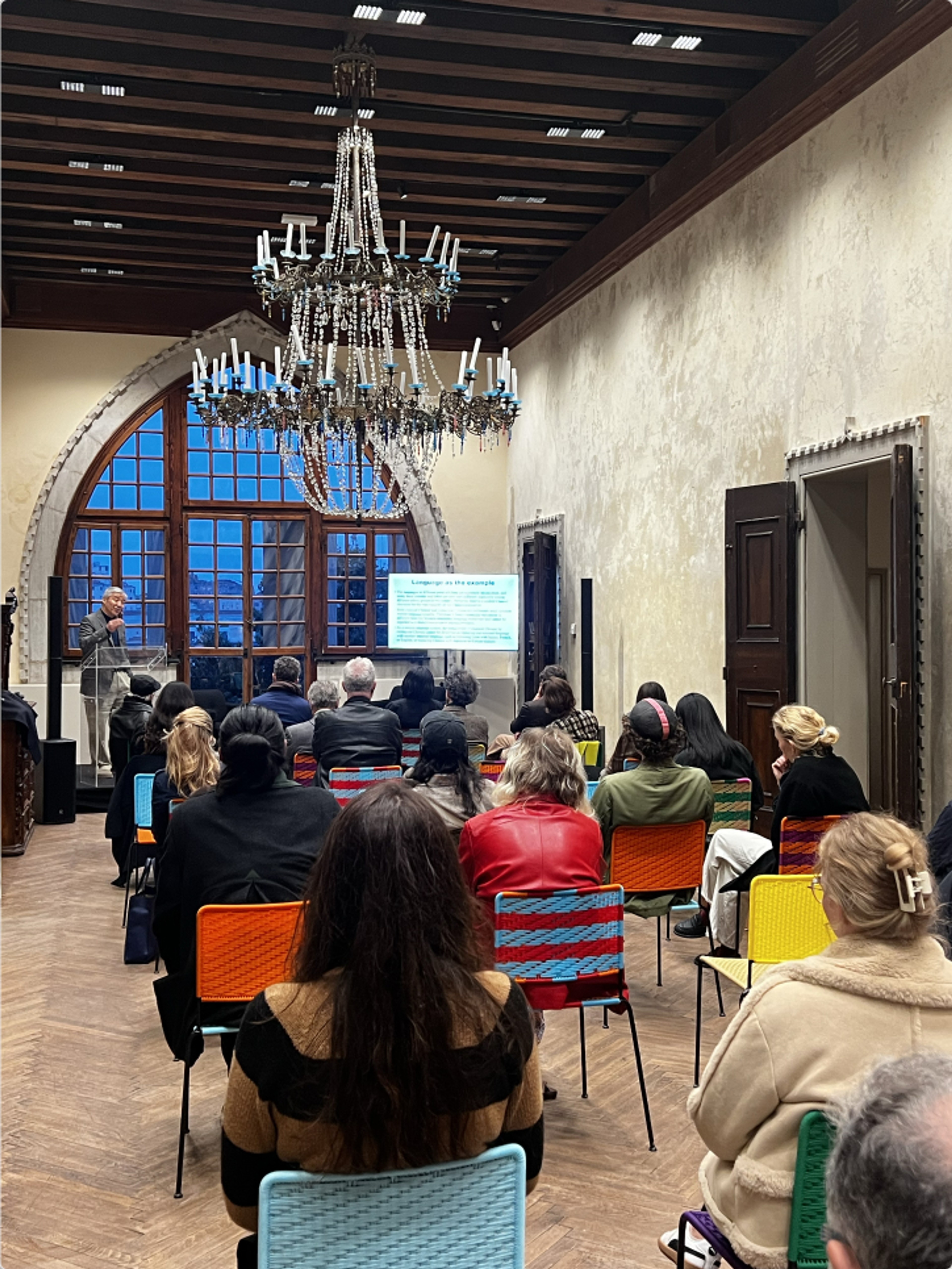
Wang Hui - one of China's most influential intellectuals - delivered a keynote lecture on the meanings of modernity in China and in Europe, as the urgent need for bringing civilisations into dialogue requires us to take a richer view of their intellectual histories.
Professor Wang introduced his famous interrelated concepts of trans-systemic society and trans-societal system related to China with the attempt to use it as a mirror for Europe and its future. Under what conditions could Europe become a trans systemic society?
Outputs
Geophilosophy Lecture Series: Michael Sandel at Casa dei Tre Oci
Geophilosophy Lecture Series: Patricia Hill Collins at Casa dei Tre Oci