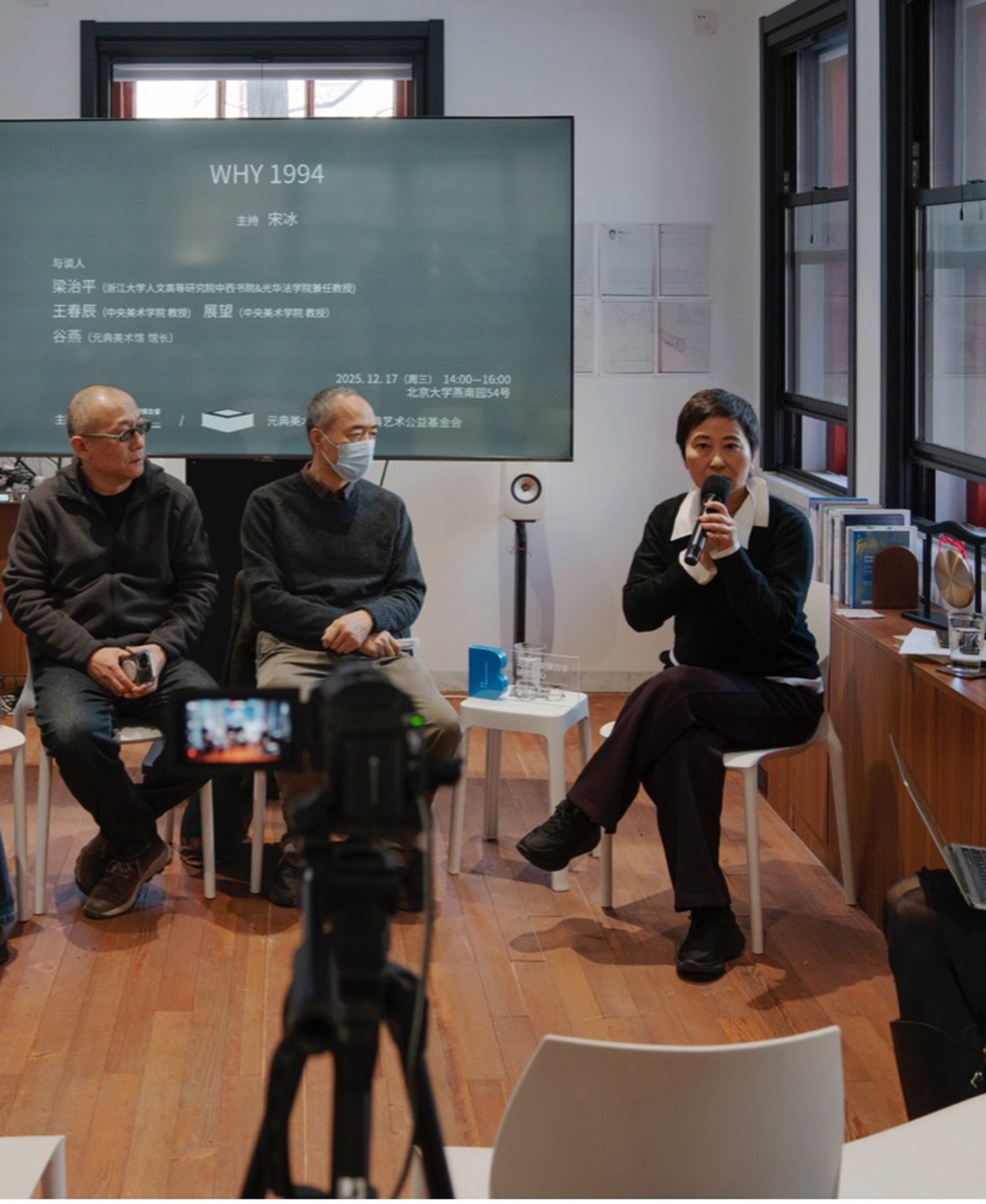
Against the backdrop of economic transformation, intellectual ferment, and profound social restructuring, the year of 1994 marked a pivotal moment in the development of contemporary Chinese thought and artistic practice. Conceived as an exploration of the intersection between art and ideas, in collaboration with Yuan Art Museum, the Berggruen Institute China presents the exhibition “Why 1994?” at its office building No. 54 Yannan Garden, Peking University.
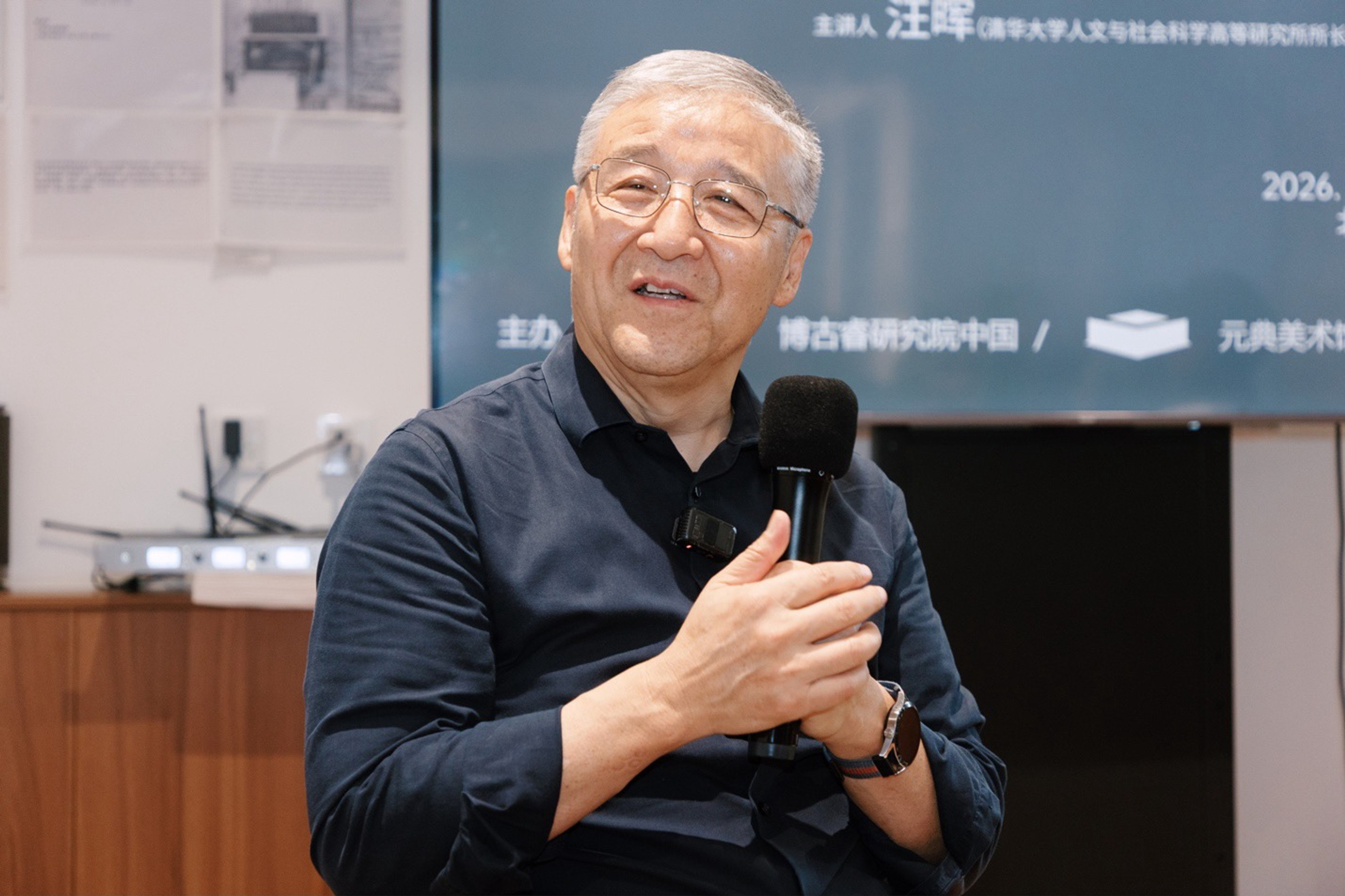
The exhibition builds upon Yuan Art Museum's 2025 group exhibition “1994,” bringing together archival materials related to the creative processes of pioneering artists of the 1990s alongside a selection of intimate-scale works. Throughout the exhibition, we have held a series of conversations examining the relationship between shifting social thought and artistic expression during this transformative period.
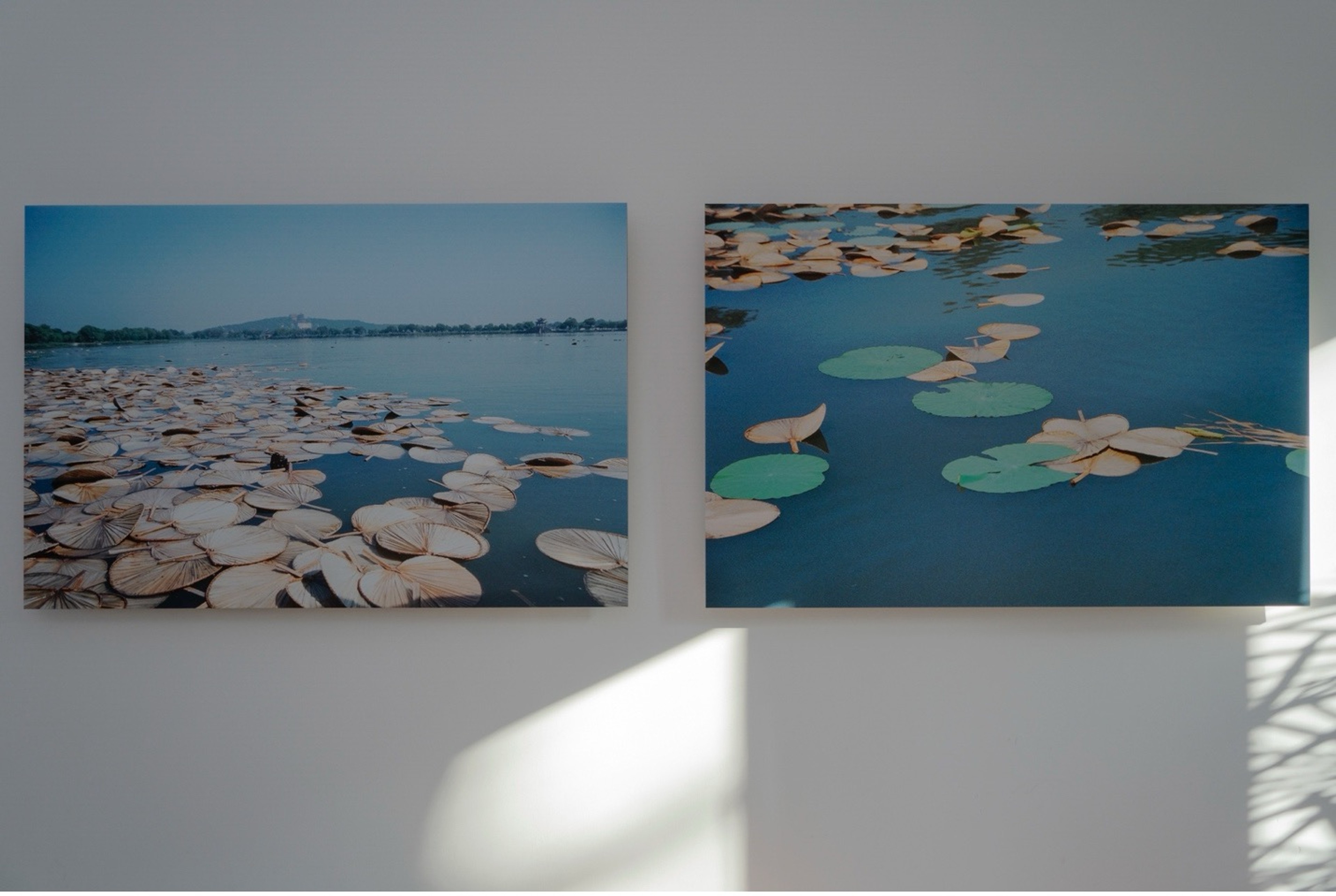
Ten Thousand Cattail Leaf Fans/Kunming Lake, Summer Palace, Beijing, Performance Installation, Qin Yufen, 1994
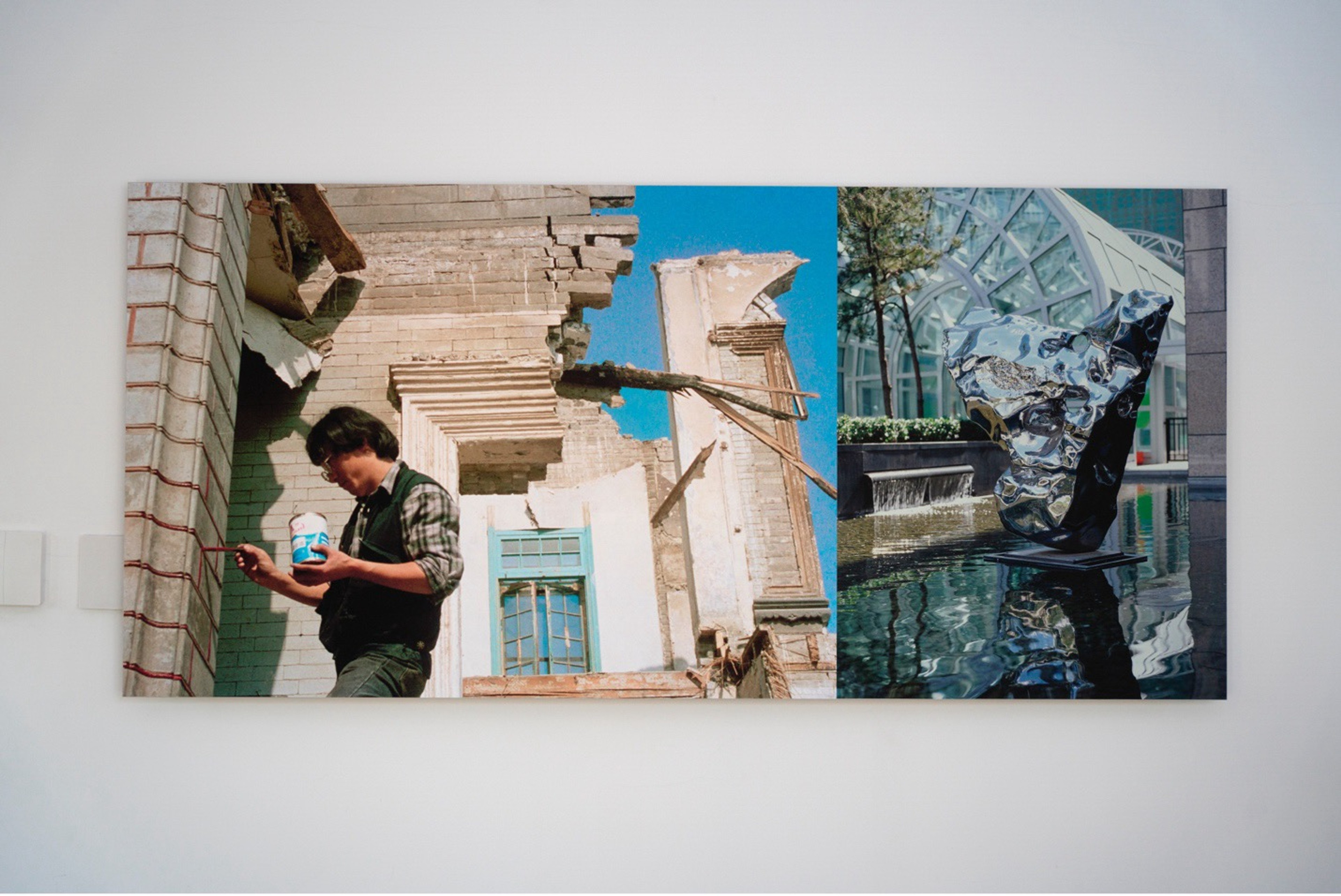
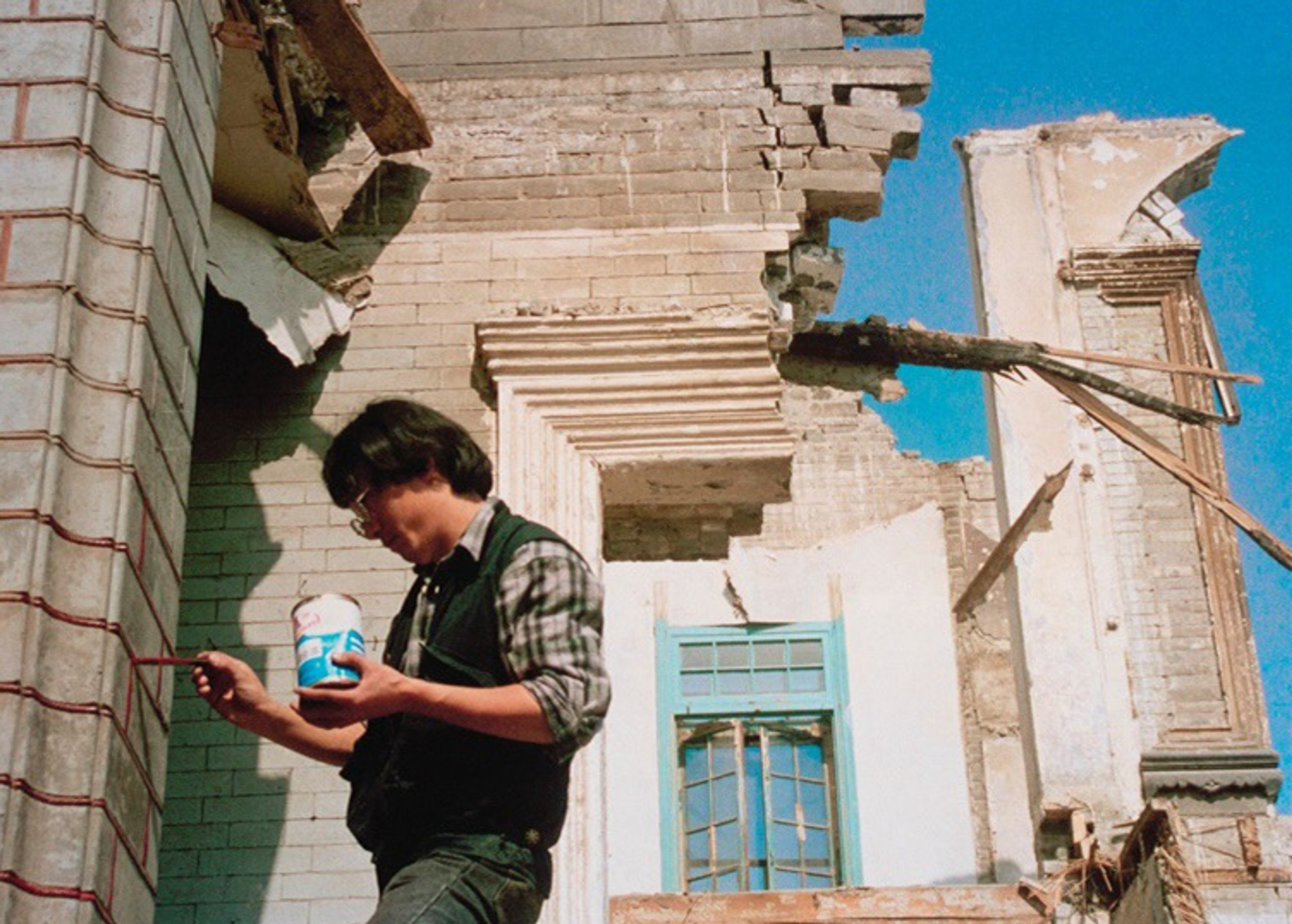
The artist repainting the brick joints during the 94 Ruin Cleaning Project (left), and the scholar's rock collected by Oriental Plaza, built on the same site (right), 129×60cm, Zhan Wang, 1994–2000.
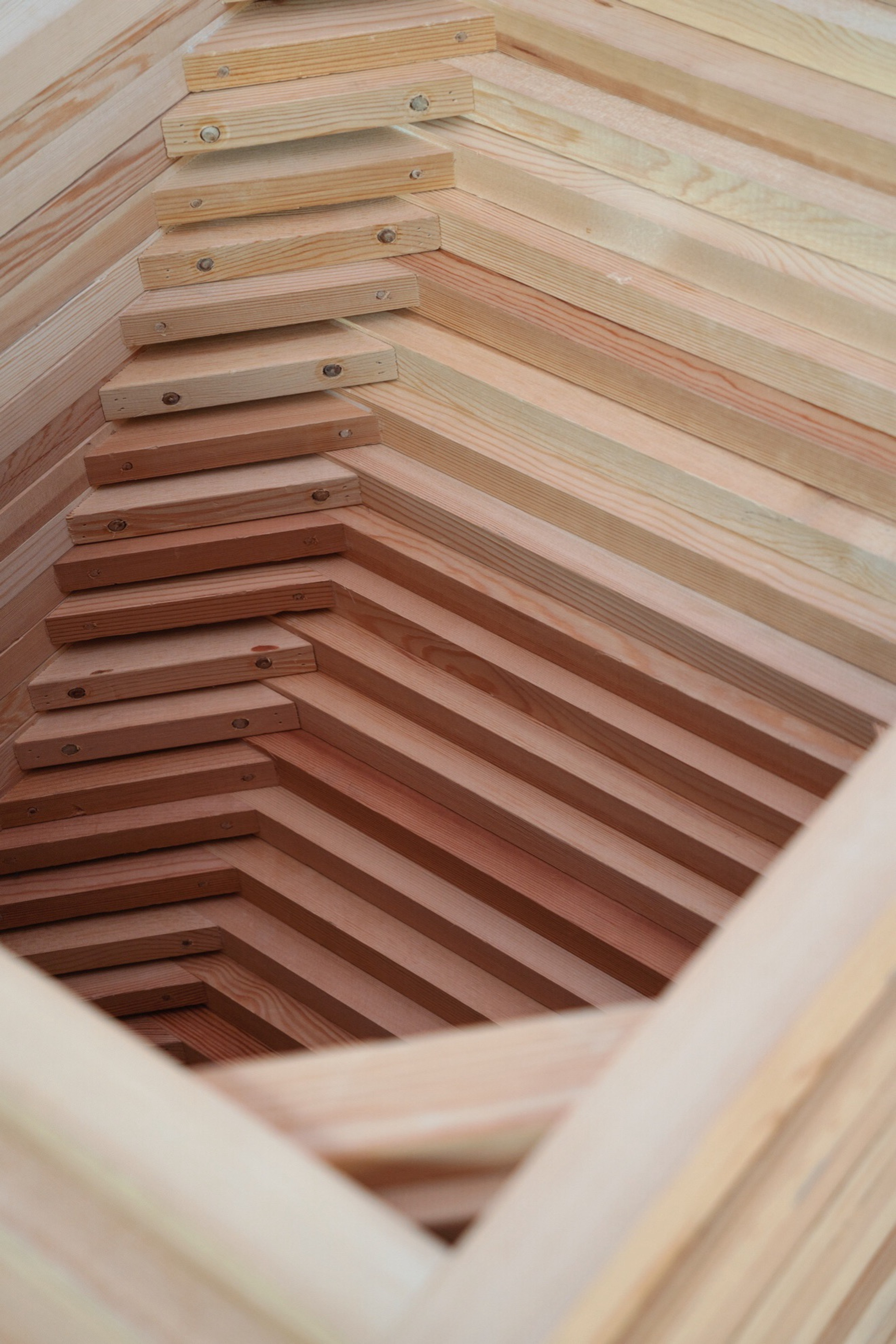
Old Building No.1, Installation, Zhu Jinshi, 1994
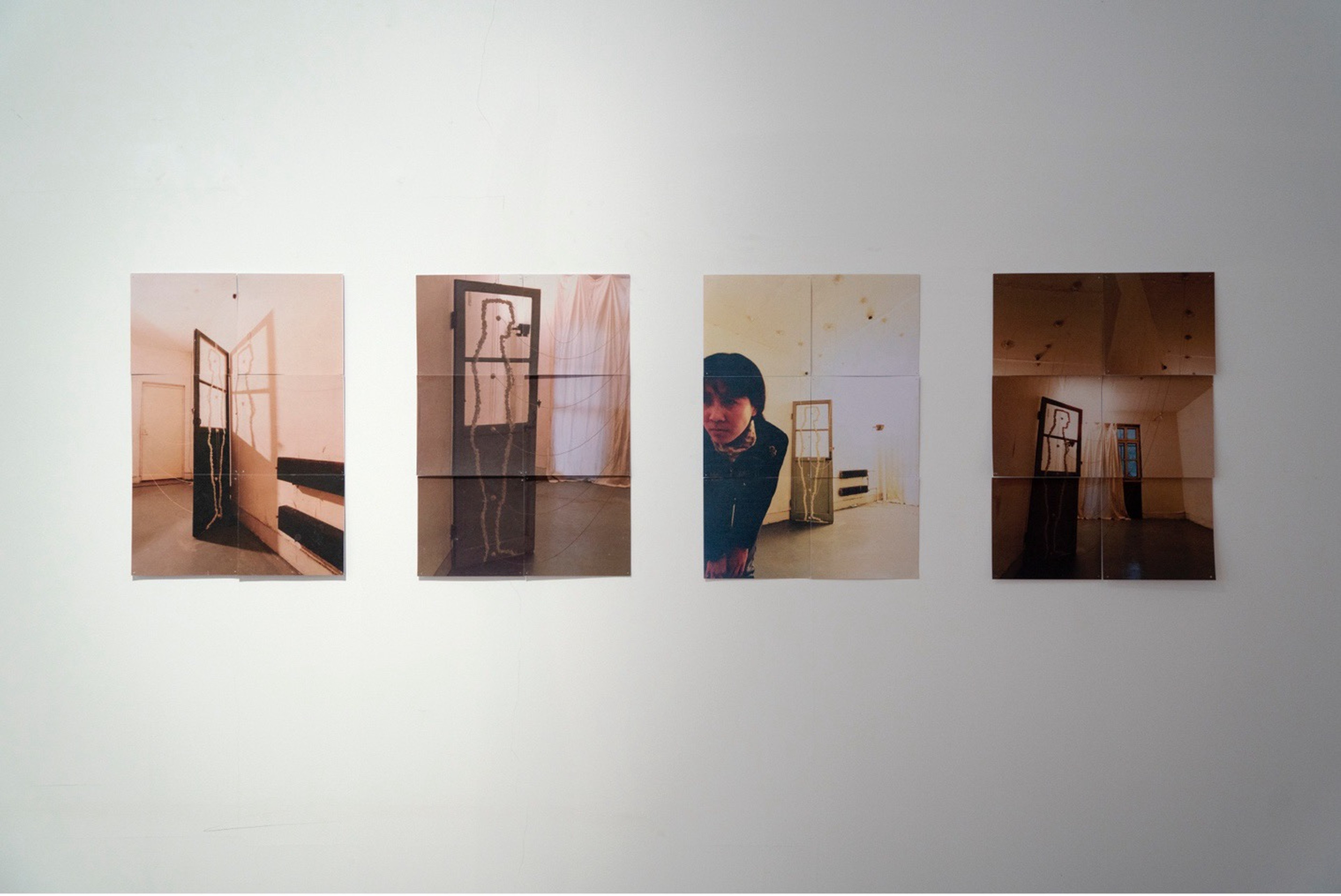
Relation, Installation, Yin Xiuzhen, 1994
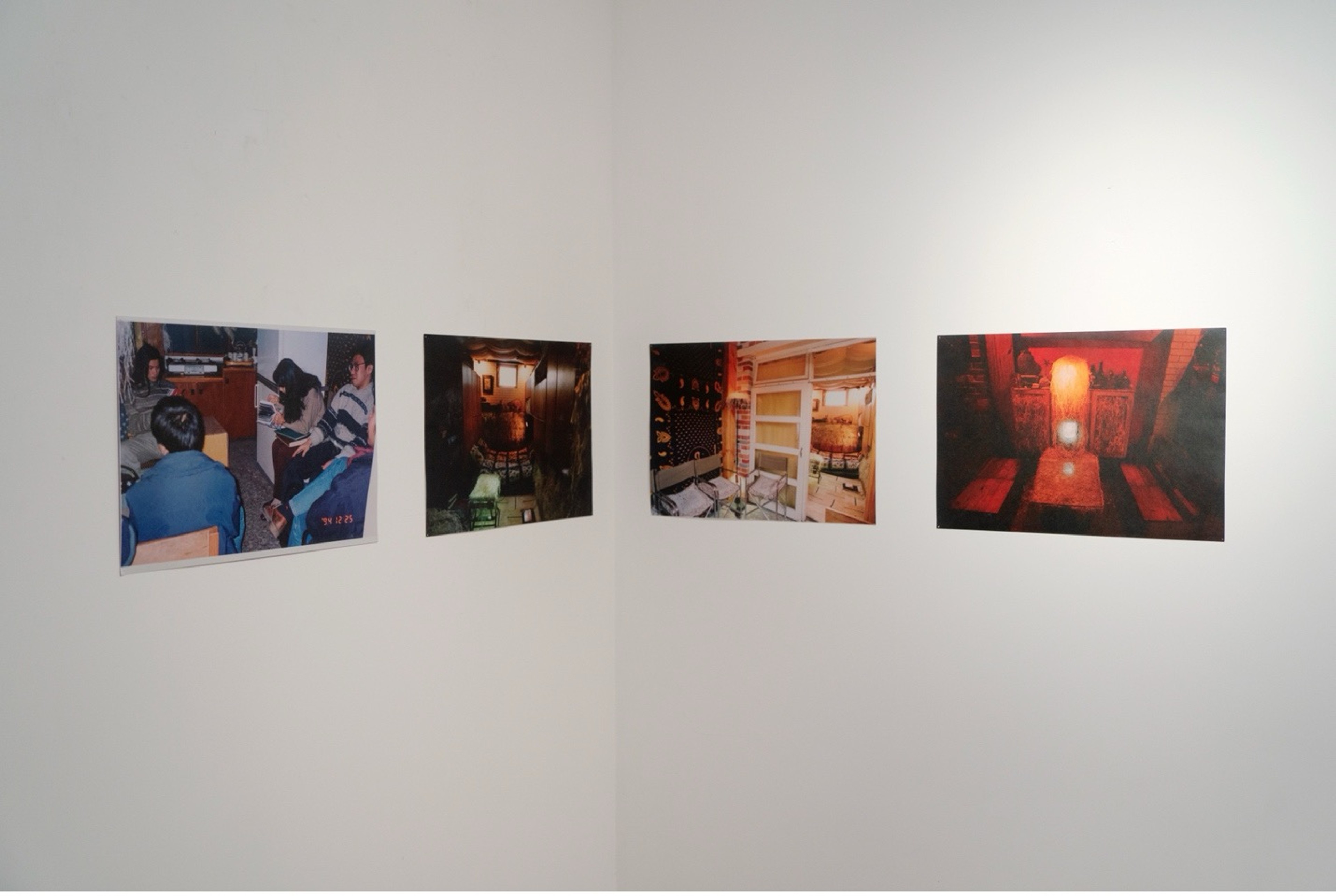
Living, 29.7×42cm×4, Song Dong, 1994
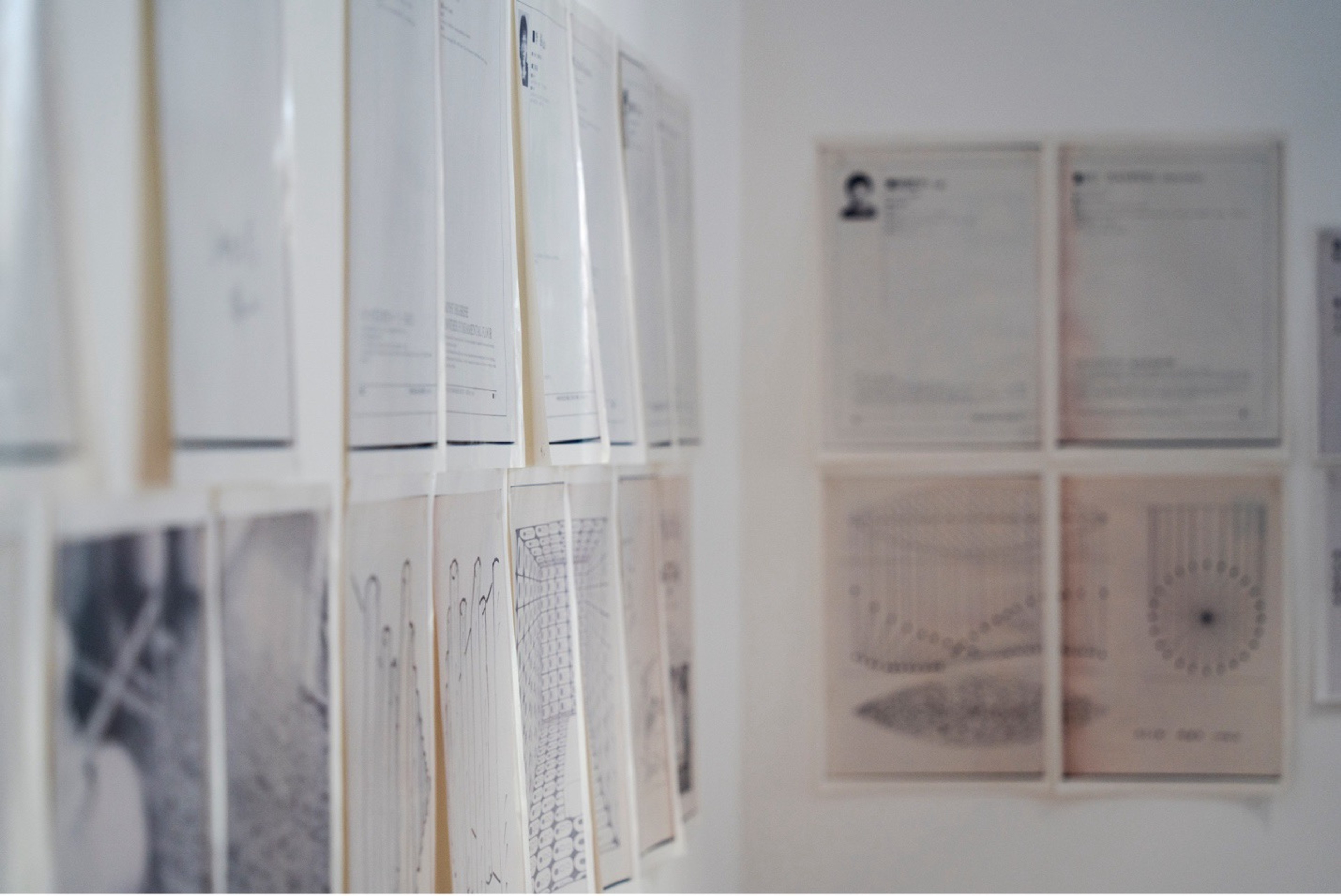
A Working Plan for Chinese Contemporary Artists, 21×29.7cm×111, 1994
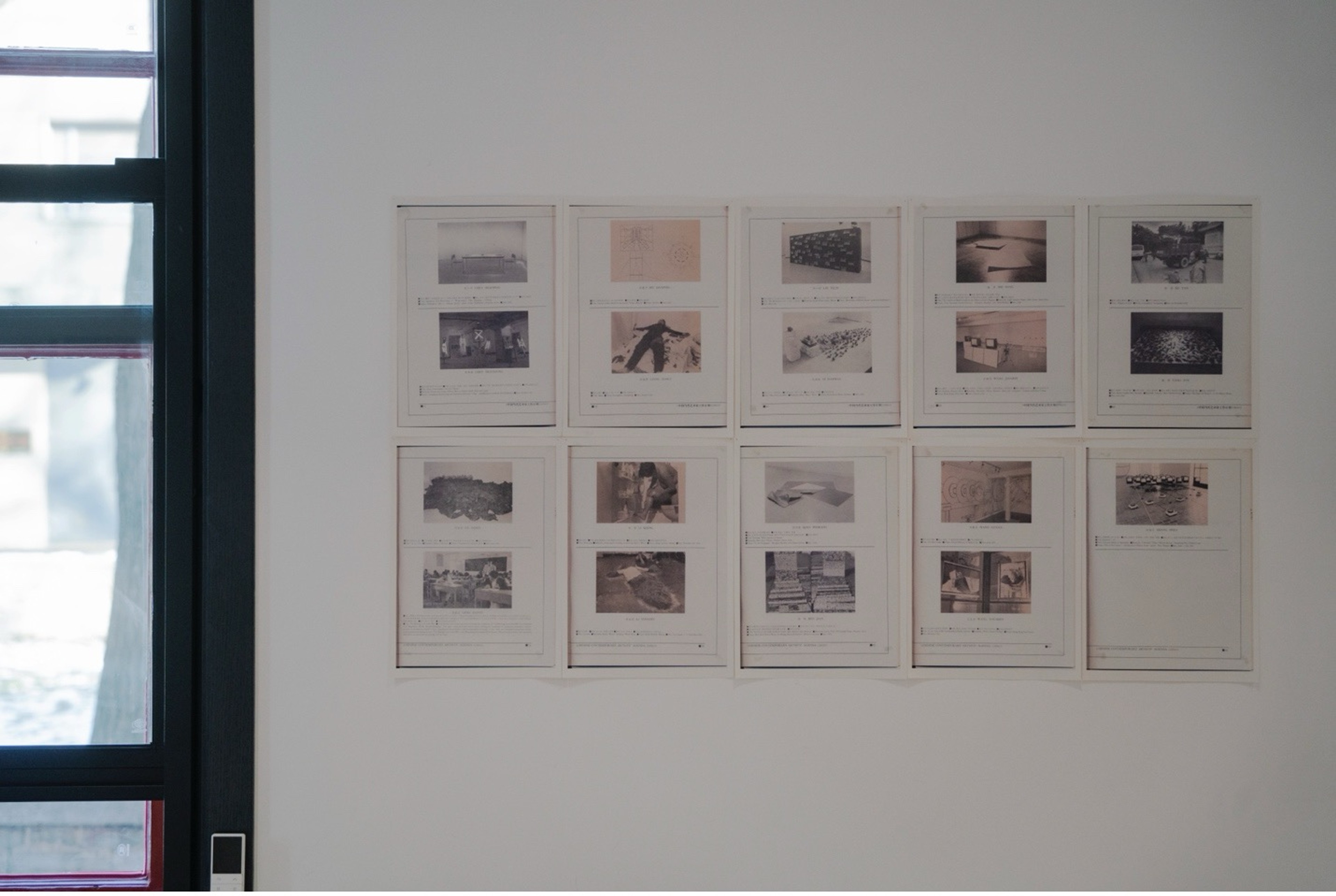
A Working Plan for Chinese Contemporary Artists, 21×29.7cm×111, 1994
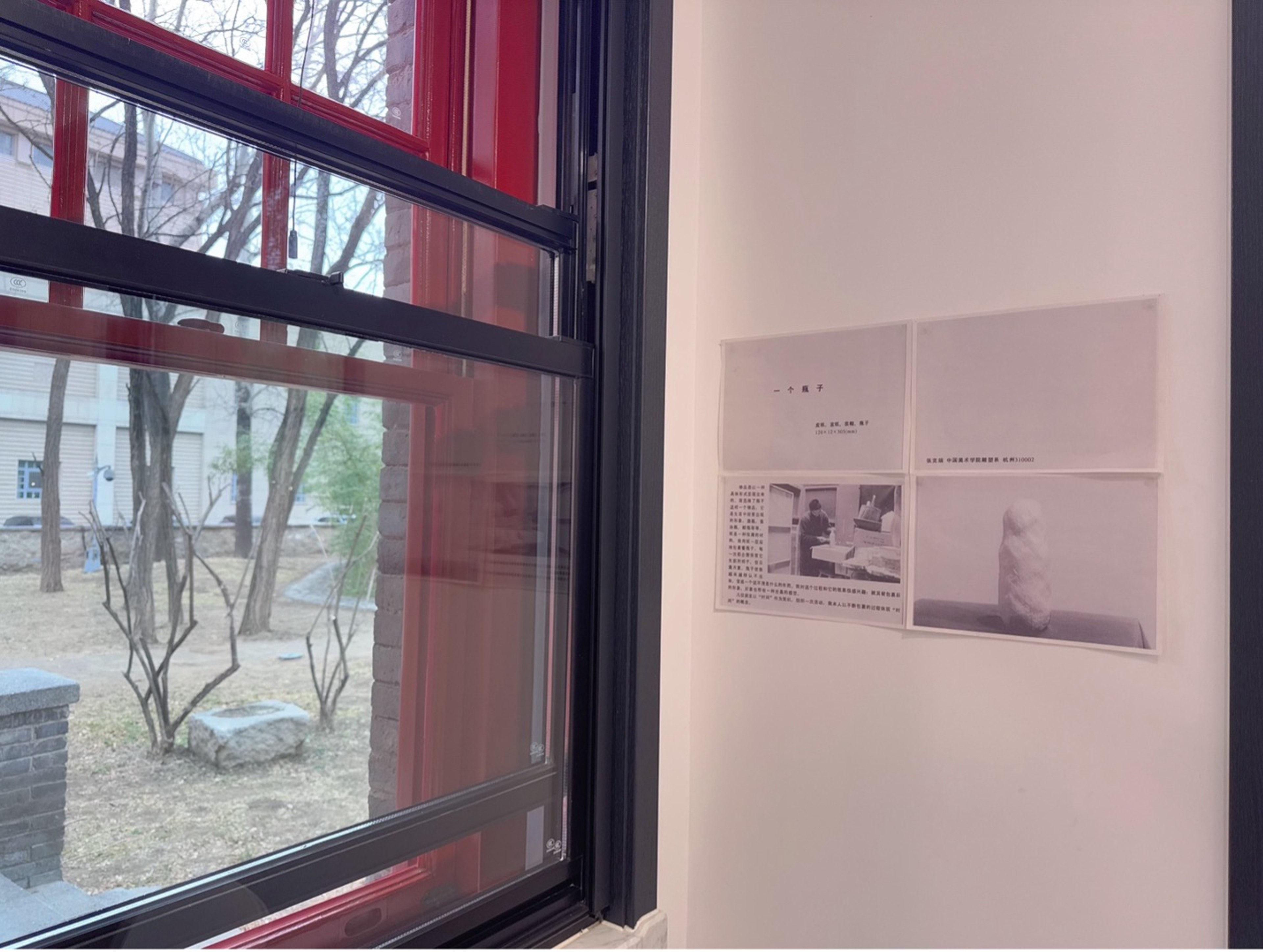
A Working Plan for Chinese Contemporary Artists, 21×29.7cm×111, 1994
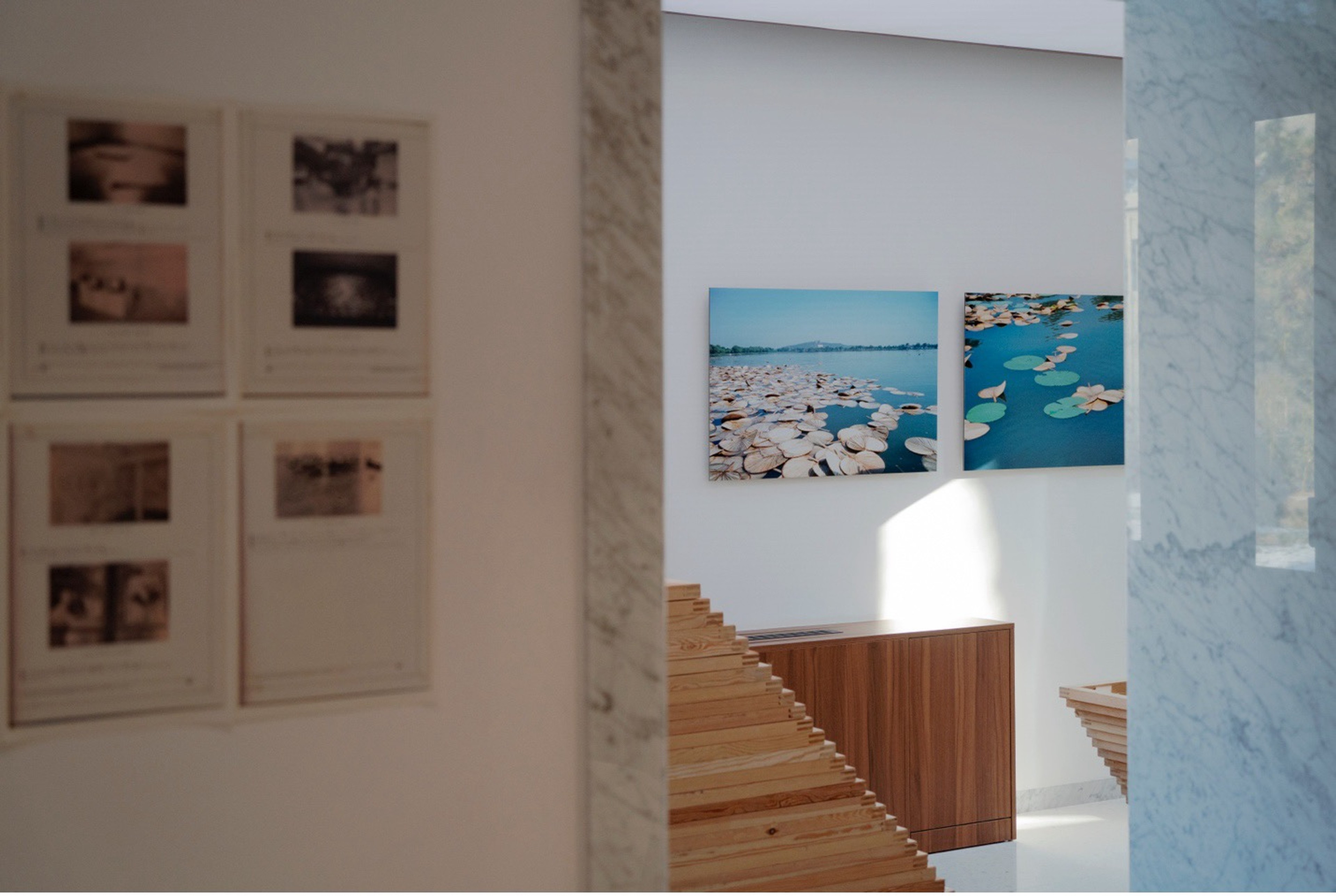
“Why 1994?” Exhibition, Berggruen Institute China, 2026
About the Berggruen Institute China’s Art and Culture Program
The Berggruen Institute China’s Art and Culture Program is dedicated to fostering dialogue and co-creation between intellectual research and artistic practice. It encourages inquiry driven by artistic perspectives, as well as artistic actions and works that generate new ideas and understandings.
The program builds platforms for intellectual exchange, invites artists to participate in research initiatives, and organizes small-scale, research-oriented exhibitions and discussions to promote in-depth, cross-disciplinary dialogue.
The program does not focus on art history or the art industry research, nor does it stage large-scale public exhibitions. It concentrates on the generation of ideas and experimental cultural practice.
Outputs
Why 1994? “The Modernity of Anti-Modernity” and Rethinking China Studies