Life at the City Scale
- Date: March 6, 2026
- Location: Natural History Museum of Los Angeles
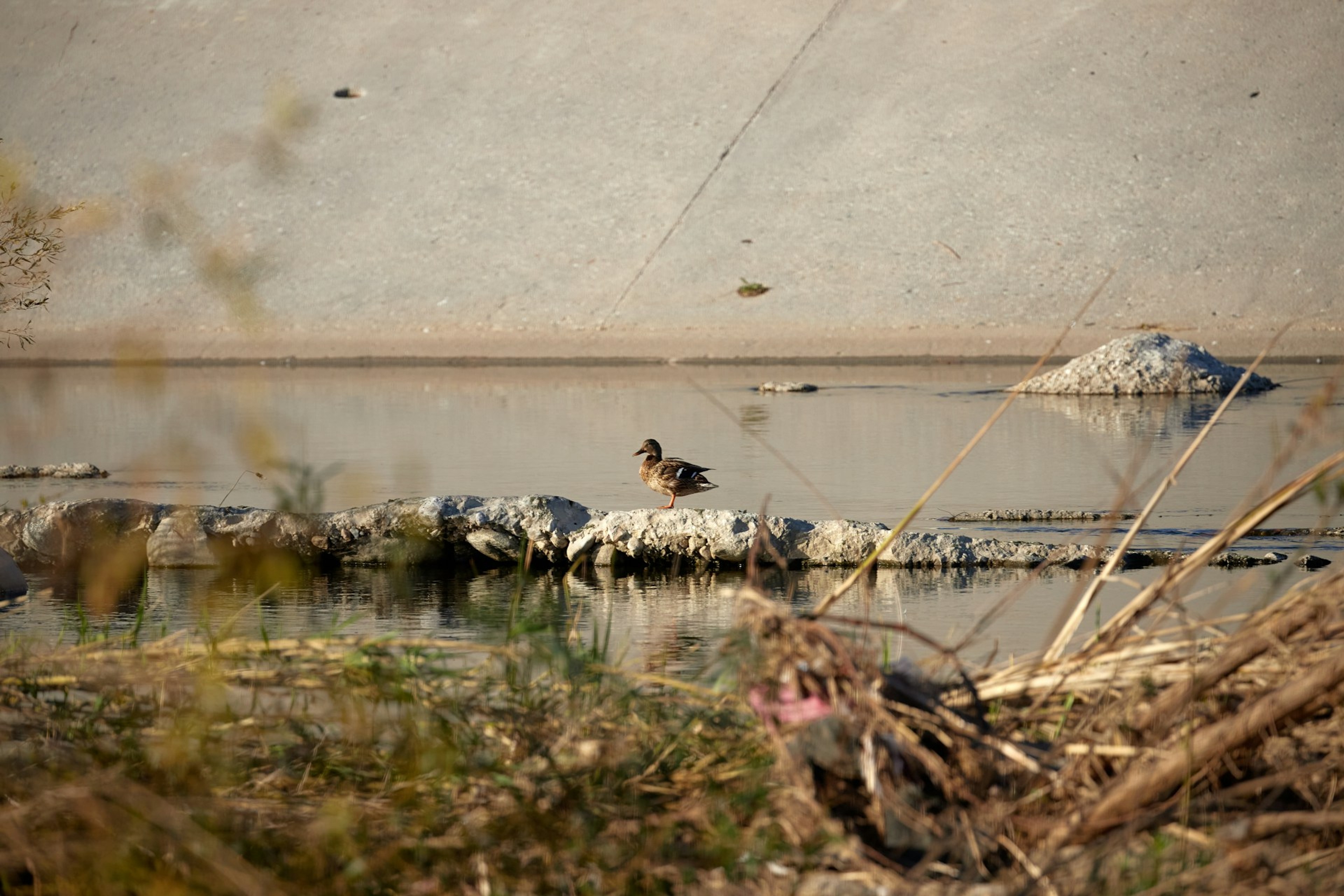
More famous for freeways and sprawl than frogs and sparrows, Los Angeles is in fact rich in biological diversity. LA County is home to over 4,000 species of animals and plants, all of which live among the 10 million people that also live here. We Angelenos live among creatures big and small, from the tiny (and ubiquitous) Argentine ant to the mighty (but scarce) mountain lion. This coexistence with the natural world raises questions. What and where is the “wild”? If so much biodiversity can be found in one of the world’s largest cities, what are the distinctions between “human” and “natural” spaces?
Recognizing the biological abundance of LA moves us to reconsider questions of belonging. Who and what is a member of our communities? Seeing the city as more than a place for humans gives us an expansive view that opens us up to our non-human neighbors. It also moves us to appreciate how our own wellbeing is entangled with theirs: the plants that clean our waters and air, the birds and insects that pollinate our gardens, the delight we take in glimpsing a hummingbird hover or a squirrel leap from a branch.
Further exploration
In the days and weeks to come, take note of the creatures, large and small, that inhabit your neighborhood. How could you make your community more hospitable to its nonhuman members?
Further reading
Lila Higgins, Gregory B. Pauly, Jason G. Goldman, and Charles Hood, Wild L.A.: Explore the Amazing Nature In and Around Los Angeles (2019)
Peter S. Alagona, The Accidental Ecosystem: People and Wildlife in American Cities (2022)
Thor Hanson, “The Neglected Abundance of Your Backyard,” Noema Magazine (2025)
About NHM's First Fridays
First Fridays celebrates 20 years as Los Angeles’ premier museum after-hours experience, where exclusive nighttime access to the Natural History Museum of Los brings music, science and culture together for an engaging evening of conversation and community. Throughout the night, guests are free to explore the Museum at their own pace, exploring galleries and exhibitions in a lively, social setting.
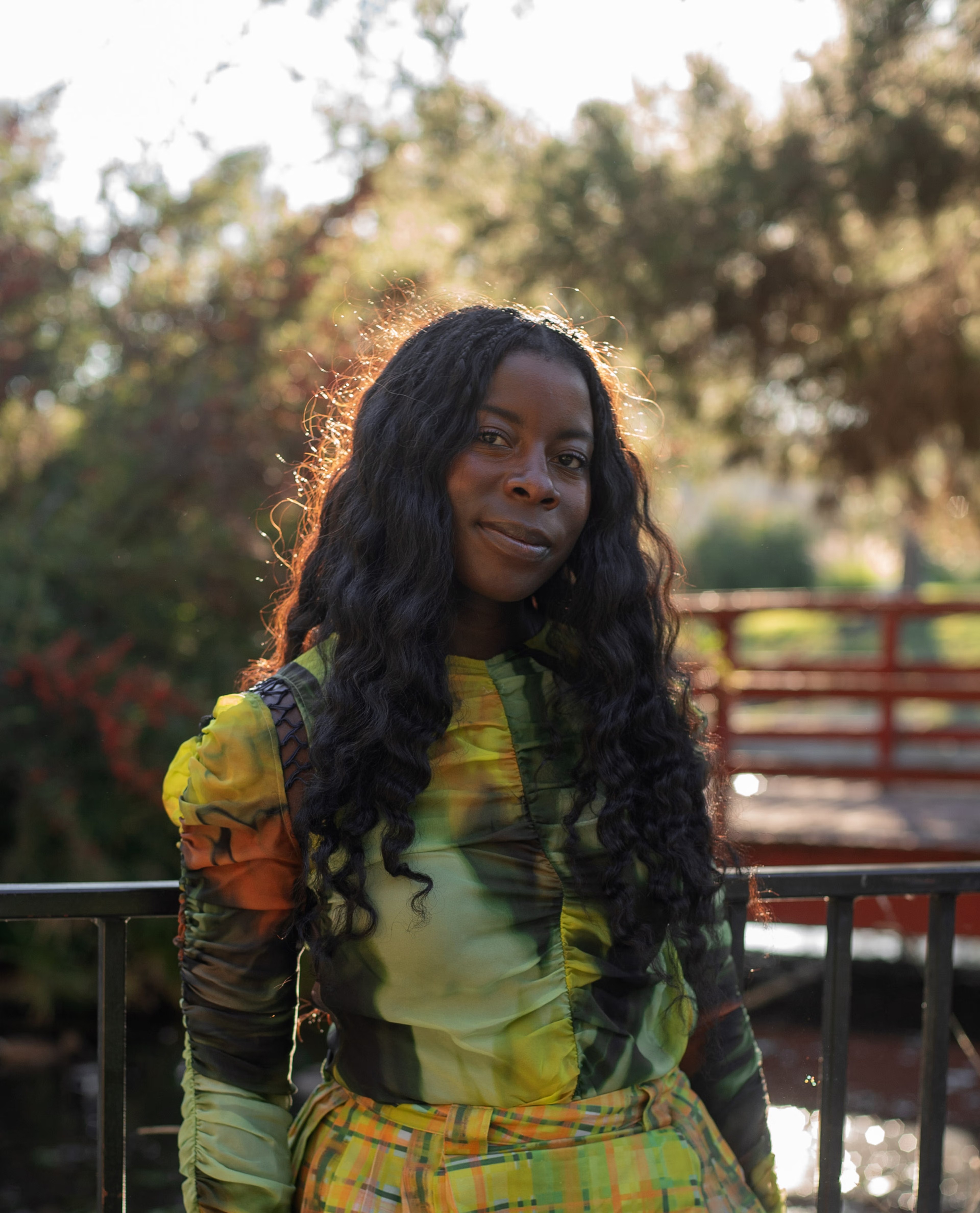
In addition to live music featuring tastemaking artists from around the globe, along with locally-loved DJs and all-night dancing, the First Fridays signature discussion series continues, presented in collaboration with the Planetary Program at the Berggruen Institute and moderated by trusted science communicator and neuroscientist Dr. Yewande Pearse. Each program features engaging conversations with scientists and topic experts from NHM and across the country.
speaker grid
About The Berggruen Institute
About The Berggruen Institute
About The Berggruen Institute
About The Berggruen Institute
About The Berggruen Institute
About The Berggruen Institute
About The Berggruen Institute
About The Berggruen Institute
About The Berggruen Institute
About The Berggruen Institute
Related
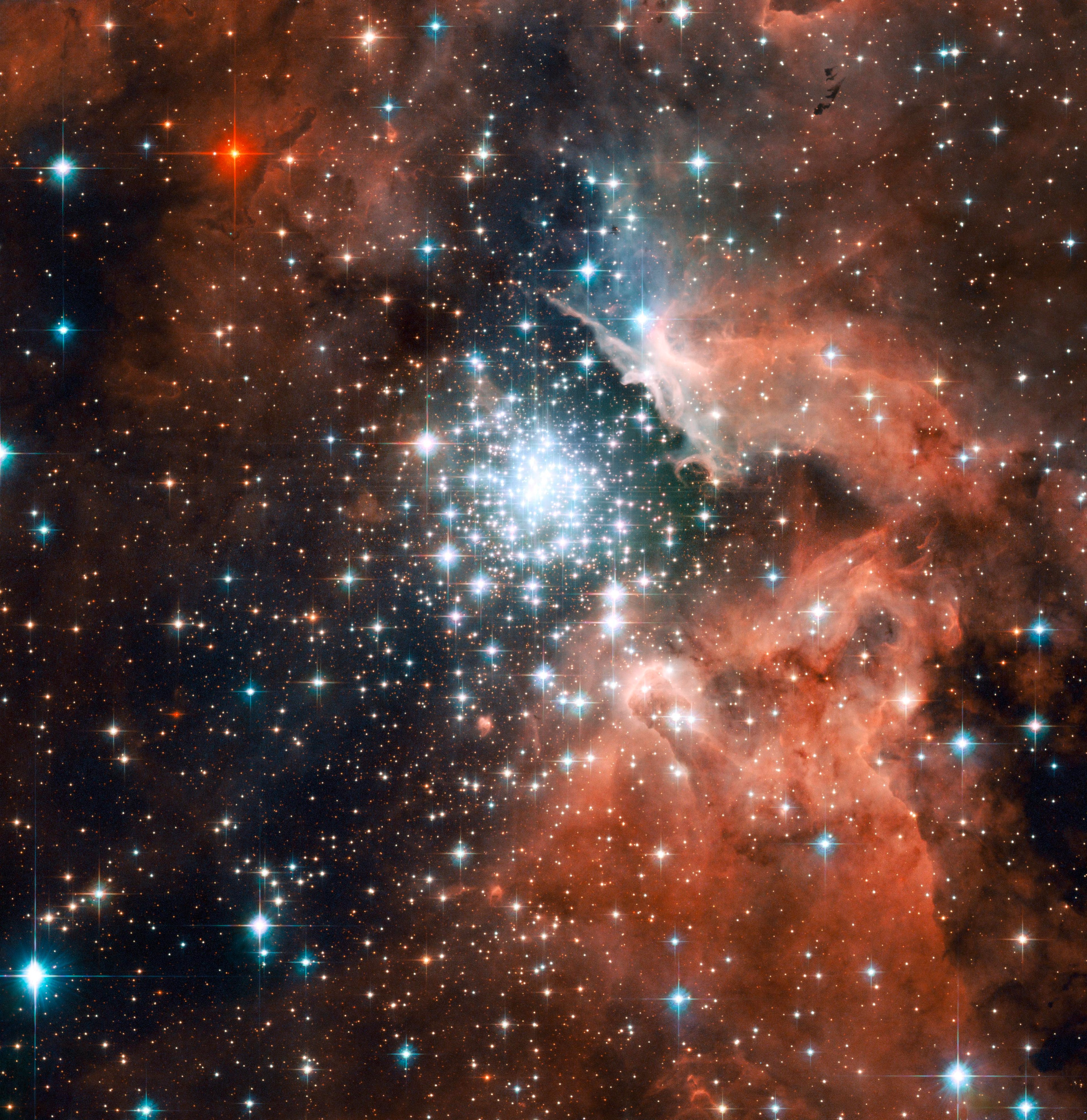
Life at the Cosmic Scale

Life at the Planetary Scale
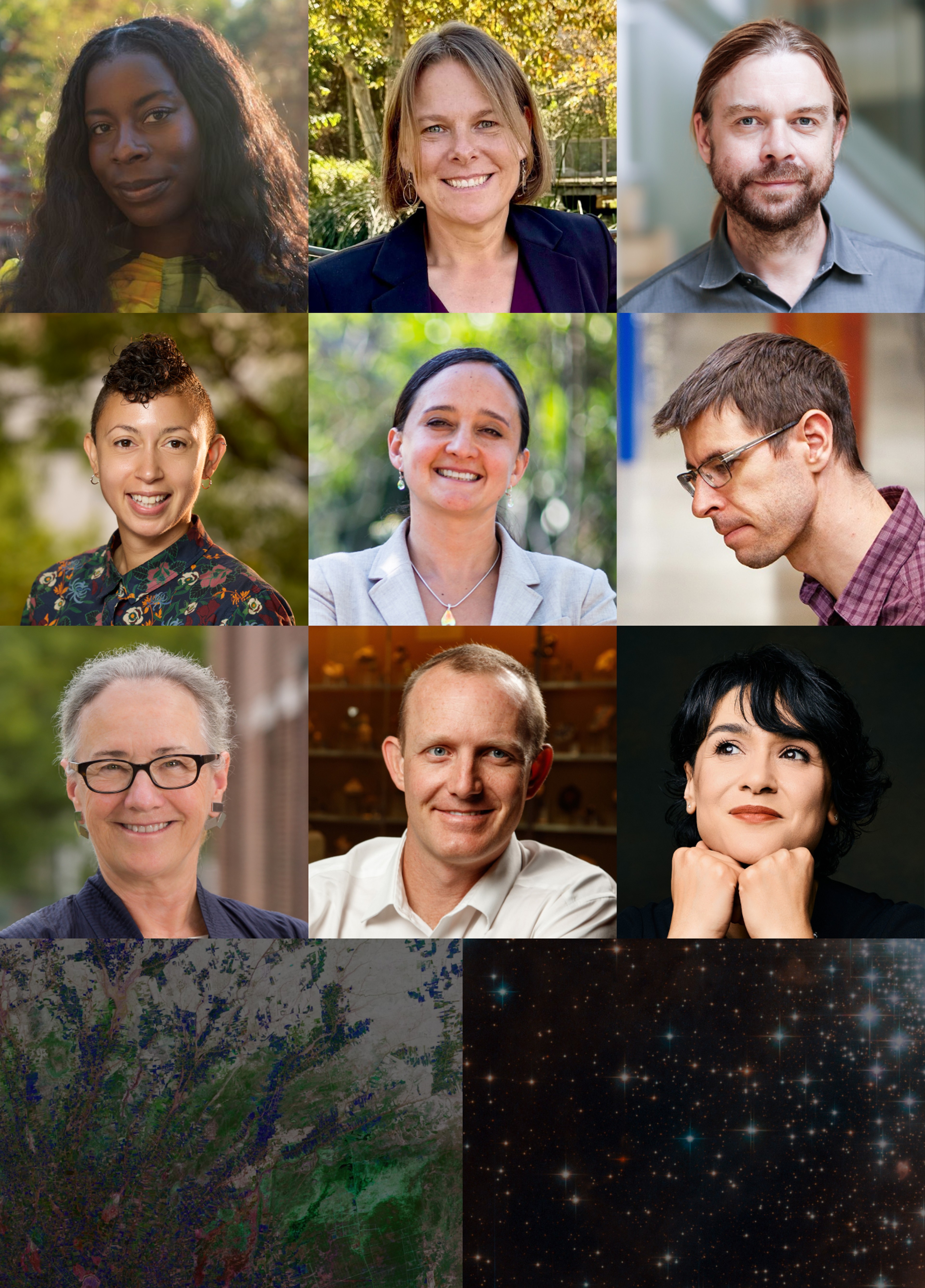
Life: From Our Guts to the Galaxy - Speakers
