Ethical Intelligence: How AI Could Improve Humanity

- Date: November 7, 2026
- Location: CITIC Bookstore, Chaoyang Joy City, Beijing
- Livestream available here: http://live.bilibili.com/22575361 or at Berggruen Institute’s WeChat Channels account (@博古睿研究院).
Capacities and activities once considered exclusively human—such as solving complex mathematical problems, translating between languages, and even identifying emotional patterns in complex datasets—are now being performed by AI systems that increasingly outperform humans in these domains.
AI is currently undergoing a fundamental transformation, moving beyond the paradigm of automation historically associated with Alan Turing toward an emotional turn in the wake of the large language model (LLM) revolution. This shift opens up a new perspective on AI ethics.
The concept of Ethical Intelligence envisions AI systems that can identify and interpret patterns of ethical values emerging from human interactions and social practices. Such systems could create a new interface between AI and society, helping us develop our capacities for ethical reflection, judgment, and action.
What sets Ethical Intelligence apart from earlier approaches to AI ethics? What would it take to turn this vision into practice? How might AI transform not only what we do, but how we think and act? And how could it help us become more thoughtful, responsible human beings?
About the Speaker
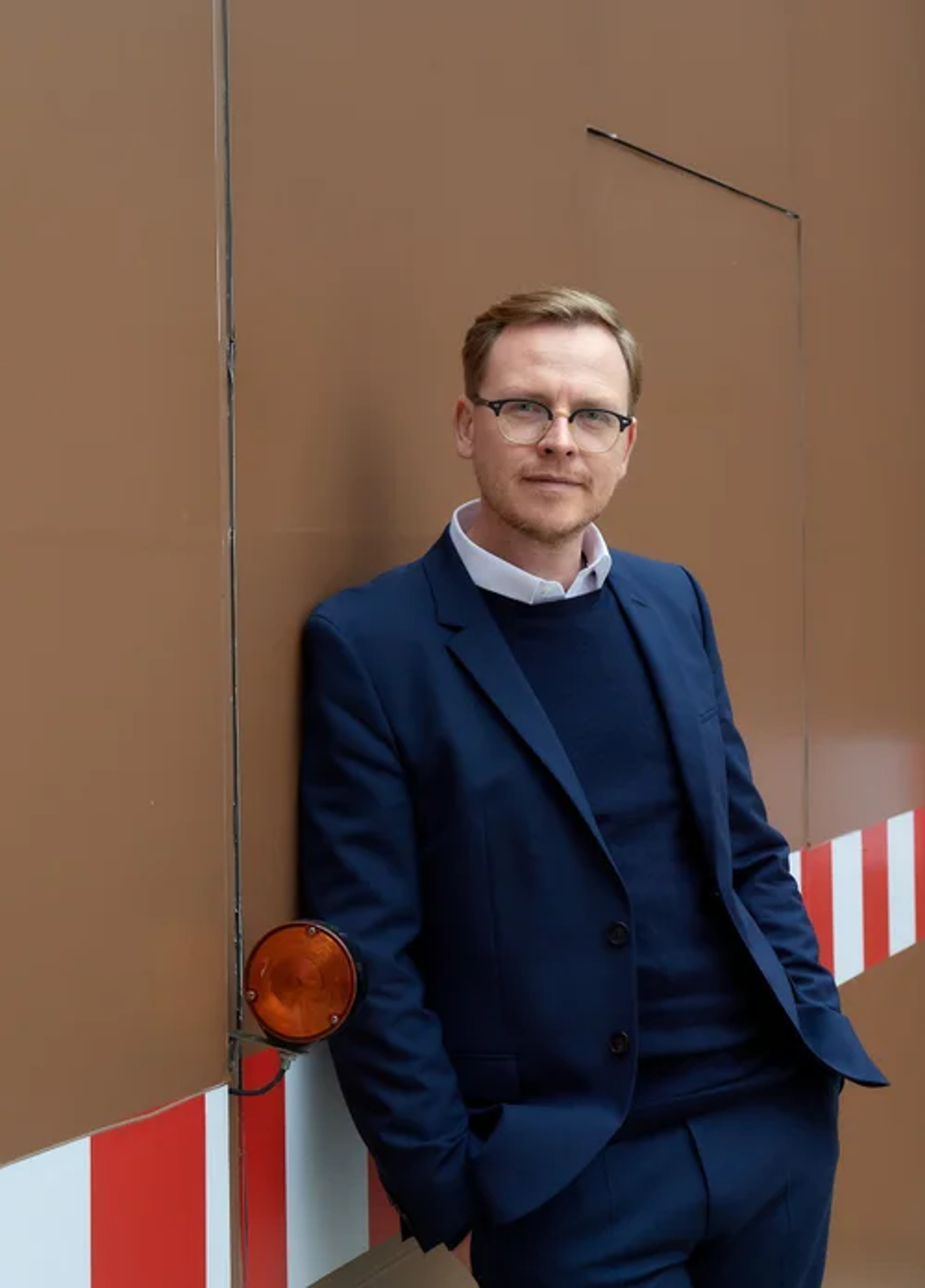
Markus Gabriel
Chair in Epistemology, Modern and Contemporary Philosophy and Director of the International Center for Philosophy, the University of Bonn
At the age of only 29, he became the youngest full professor of philosophy in Germany. He is one of the world's most prominent representatives of New Realism in philosophy, which is an essential factor in his current project of a New Enlightenment. He is also Director of the Center for Science and Thought, with which he strives for an interdisciplinary exchange between philosophy and the natural sciences in order to find productive and sustainable solutions to the most pressing questions of our present day. He has held visiting professorships in Brazil, Denmark, France, Italy, Japan, Portugal, and the United States. His best-selling German monographs Why the World Doesn't Exist (2013), I am Not a Brain: Philosophy of Mind for the 21st Century (2015), The Meaning of Thought (2018), and Moral Progress in Dark Times: Universal Values for the 21st Century (2020) have appeared in numerous countries. Prof. Gabriel believes in the bright light of a new enlightenment and in our ability to make this world a better place with the help of the conceptual tools of philosophy and the humanities.
About the Commentators

Robin R. WANG
Professor of Philosophy, Loyola Marymount University, Los Angeles
2016-2017 Berggruen Fellow
She is the author of an influential book: Yinyang: the Way of Heaven and Earth in Chinese Thought and Culture, (Cambridge University Press, 2012) and the editor of Chinese Philosophy in an Era of Globalization , (SUNY Press, 2004) and Images of Women in Chinese Thought and Culture: Writings from the Pre-Qin Period to the Song Dynasty (Hackett, 2003). Her current research focuses on a conceptual framework or a different model for thinking about a wider range of philosophical, cultural, and political problems in this globalized world. She has regularly given presentations in North America, Europe, and Asia and has also been a consultant for the media, law firms, museums, K-12 educators, and health care professionals. She was a credited Cultural Consultant for the movie Karate Kid, 2010.

LIU Zhe
Professor of Philosophy, Co-Director of the Berggruen Research Center, Peking University
He is Deputy Dean of the Institute for Artificial Intelligence, Peking University, and he was Executive Secretary-General of the Chinese Organizing Committee of the 24th World Congress of Philosophy. His research focuses on theories of subjectivity, German classical philosophy, phenomenology, and the ethics of artificial intelligence and robotics. He currently serves on the editorial boards of European Journal of Philosophy, British Journal for the History of Philosophy, and Journal of the British Society for Phenomenology.
About the Global Thinkers Series
The Global Thinkers Series invites leading thinkers to share their perspectives on the evolution of civilizations, global historical narratives, and philosophical and social theories that have reshaped societies and human thought. Since 2020, we have hosted speakers including Jared Diamond, Wang Gungwu, Peter Singer, Roger Ames, Carlo Rovelli, and Brook Ziporyn.
About the CITIC Bookstores
The CITIC Bookstores operate under the CITIC Publishing Group. It adheres to the development concept of "enhancing the value of each reader's unit time" and integrates carefully selected books, cultural and creative products, reader community spaces,and fine dining to upgrade the traditional bookstore model into a composite cultural lifestyle destination.
About The Berggruen Institute
About The Berggruen Institute
About The Berggruen Institute
About The Berggruen Institute
About The Berggruen Institute
About The Berggruen Institute
About The Berggruen Institute
About The Berggruen Institute
About The Berggruen Institute
About The Berggruen Institute
Related

Living the Contradiction
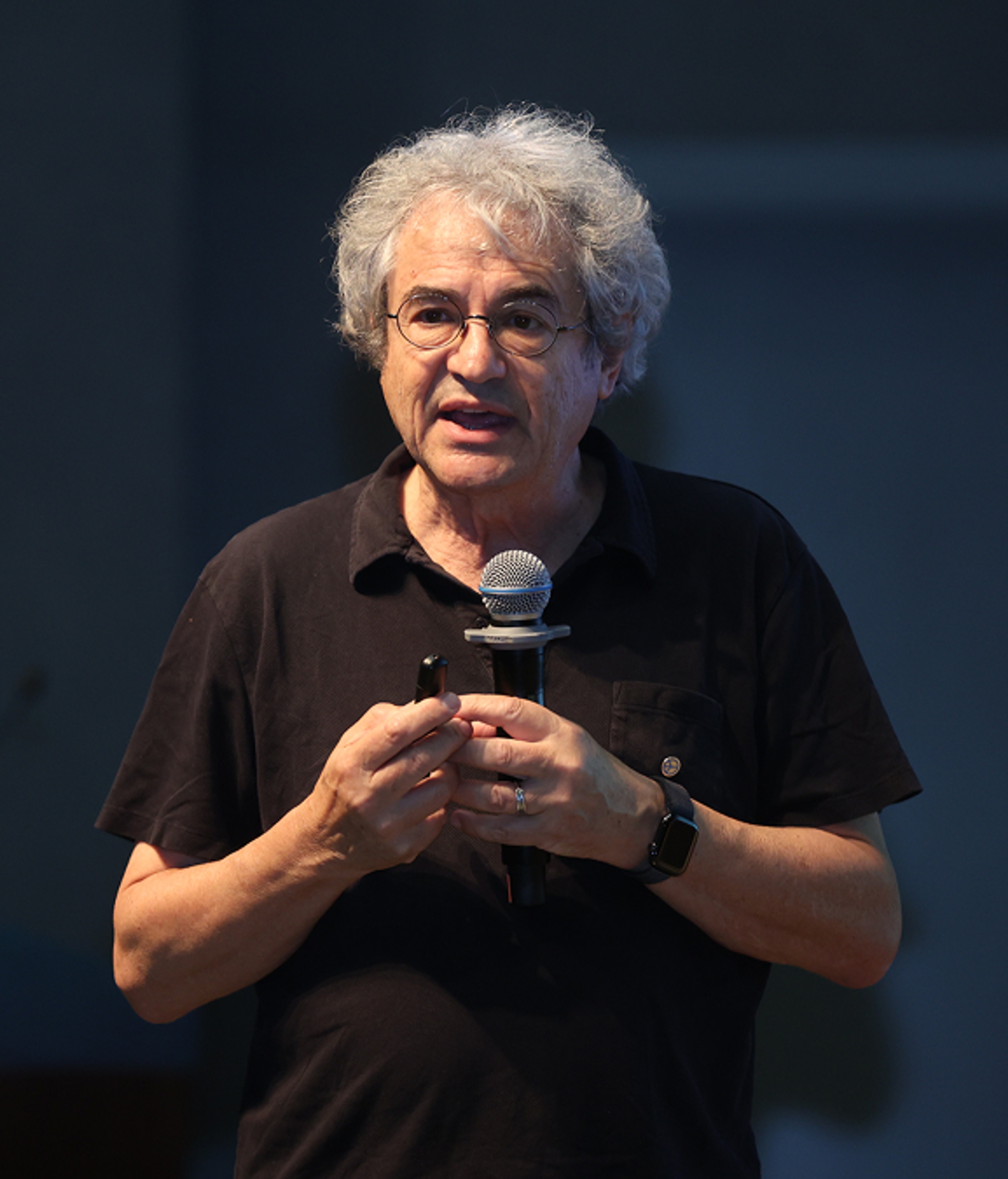
On the Equality of All Things with Carlo Rovelli
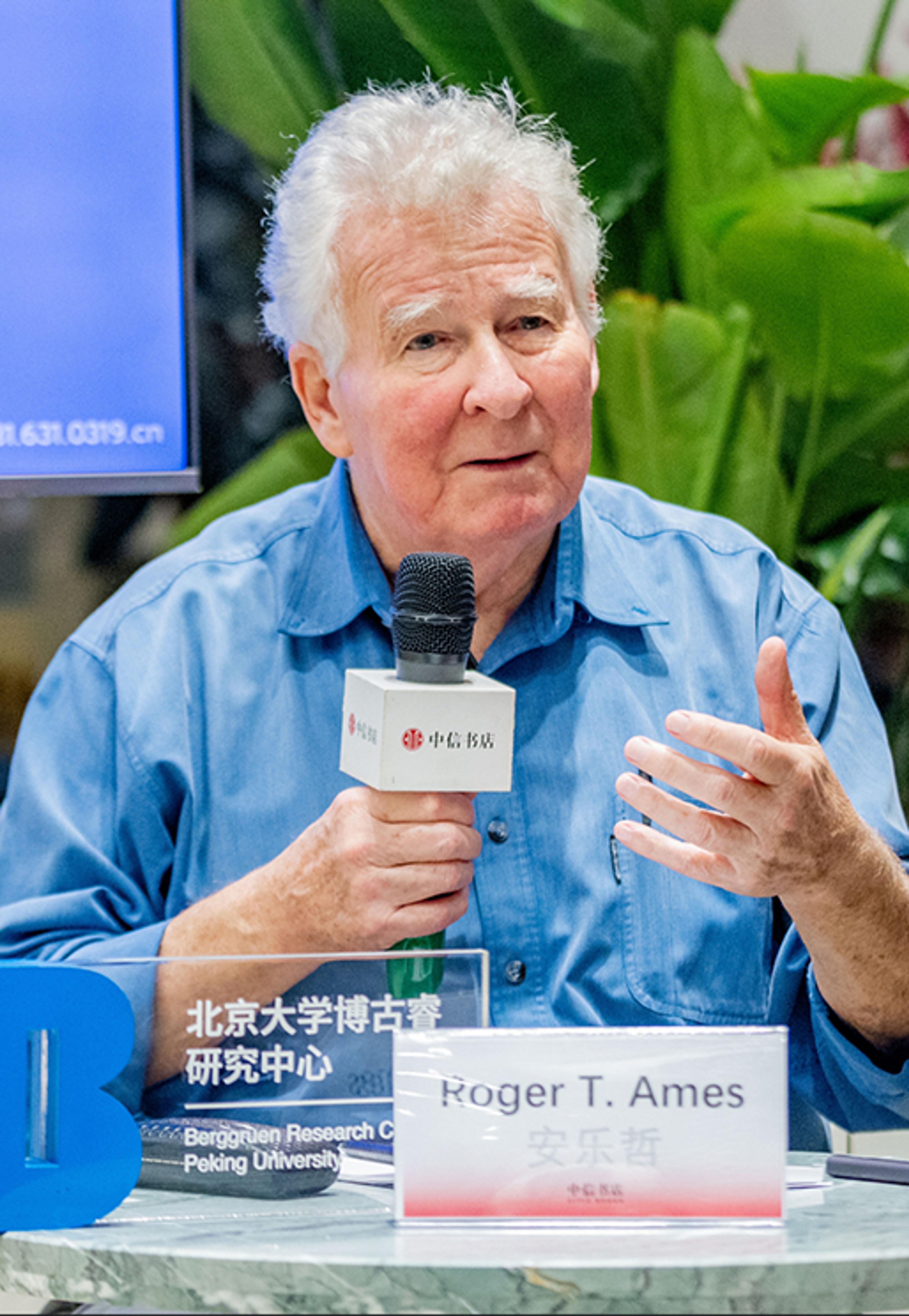
Translating Chinese Philosophy
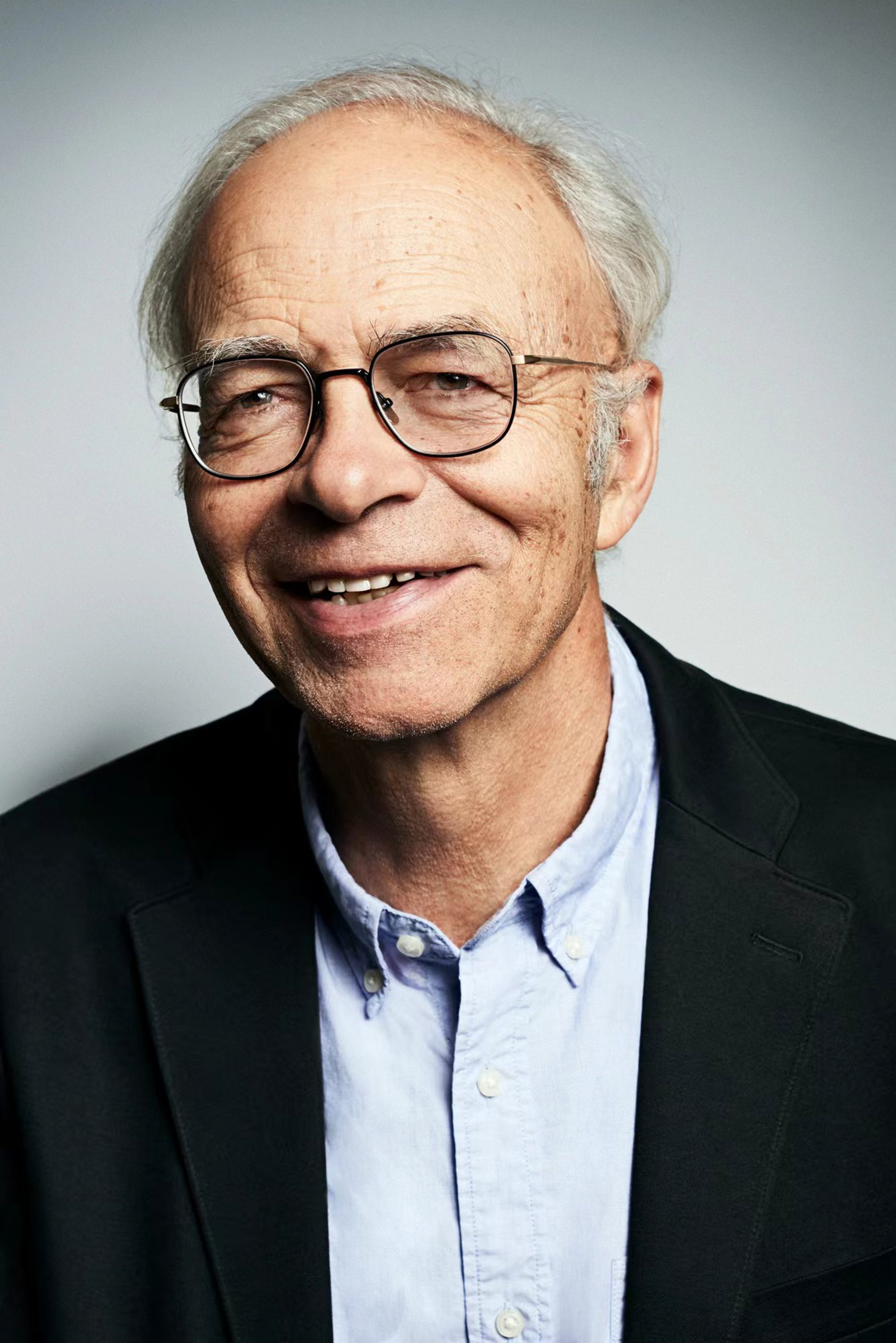
In Conversation with Peter Singer | Utilitarianism: Avoiding Common Misunderstandings and Responding to Objections

In Conversation with Peter Singer: Ethics and Animals

In Conversation with Wang Gungwu: Understanding the Sinic Civilization in World History