- Team members:
- Jonathan Blake,
- Liam Cohen
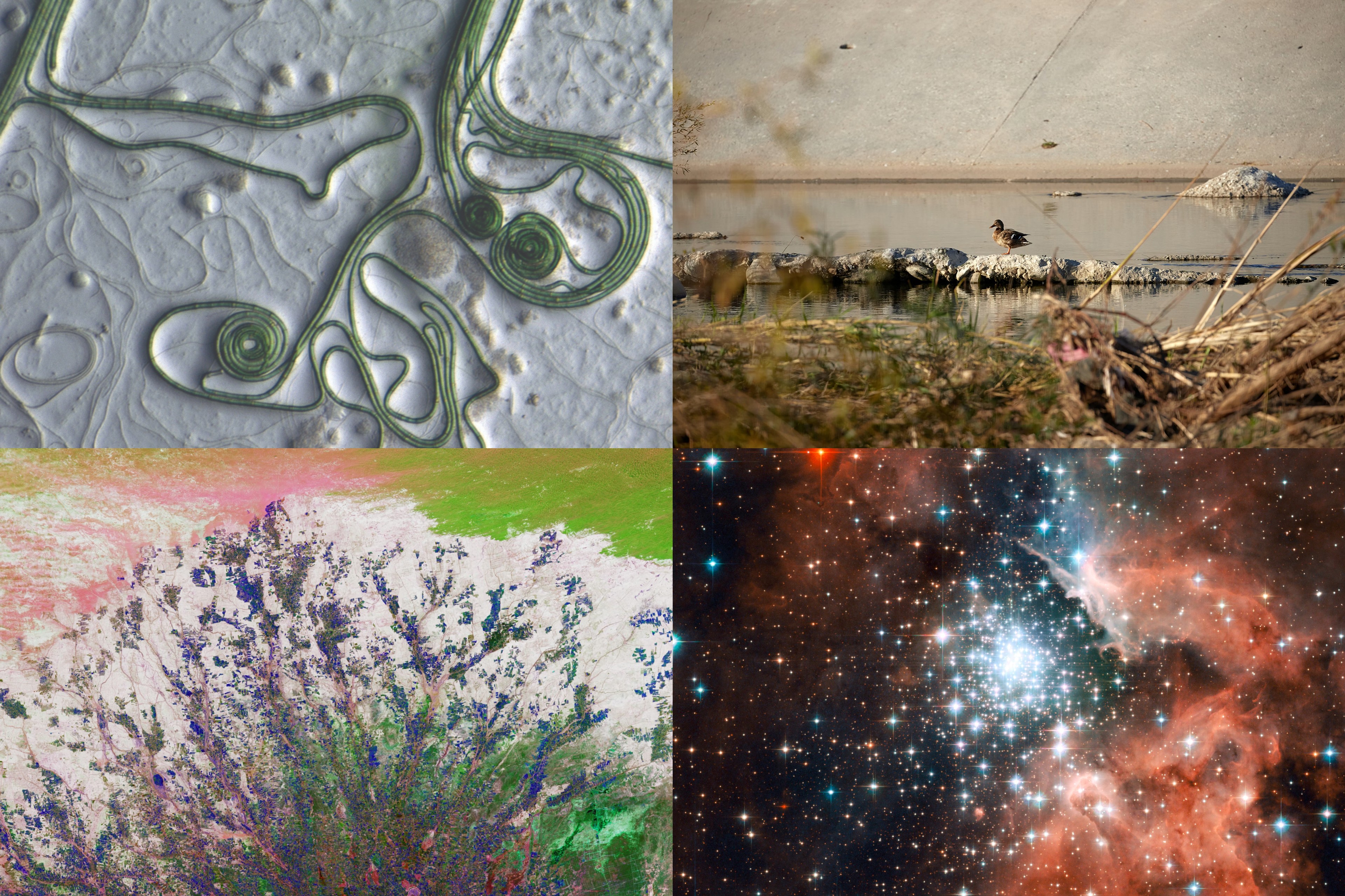
This season, the Planetary Program at the Berggruen Institute joins forces with the Natural History Museum to feature their new discussion series: Life, from Our Guts to the Galaxy: Rethinking the Living World. Moderated by neuroscientist Dr. Yewande Pearse, this collaboration brings together NHM scientists and national experts to explore how life—from the microbes within our bodies to the search for life among the stars—challenges our traditional understanding of health, identity, and the planet itself.
Each monthly program features engaging conversations with scientists and topic experts from NHM and across the country. The season begins on February 6 with a discussion on “Life at the Human Scale,” with each progressive month viewing the topic of “life” through an increasingly wider lens. The kickoff panel will explore how human health, identity, and biology are shaped by the unseen life people rely on every day, and how those relationships challenge the understanding of what it means to be human. The culminating panel will reflect how looking outward into space has reshaped our understanding of biology, evolution, and what it means to be alive.
"We're honored and delighted to partner with the iconic NHM First Fridays for their 20th anniversary season. This partnership is a wonderful opportunity to bring planetary thinking to the public in a fun and engaging way. We're especially excited to present planetary thinking to our home community here in Los Angeles."
—Dr. Jonathan Blake, Director of the Planetary Program at the Berggruen Institute
The Natural History Museums of Los Angeles County (NHMLAC) include the Natural History Museum in Exposition Park and La Brea Tar Pits in Hancock Park. The museums and the 35 million objects in their collections offer extensive and comprehensive libraries of natural and cultural history for guests, as well as groundbreaking scientific and historical research. NHMLAC also leads the natural and cultural exploration of Los Angeles County, offering a slate of community science and cultural programs both onsite and across the region. The museums foster community partnerships, innovative STEAM pathways, transformative community science programs, and cutting-edge research on climate and global change.
The Planetary is a research and culture program at the Berggruen Institute, founded and directed by Jonathan Blake, that addresses the political, philosophical, and institutional challenges of an interconnected Earth system, recognizing that issues such as climate change, technological systems, and ecological breakdown exceed national borders and require a fundamental rethinking of politics, responsibility, and interdependence at a planetary scale.
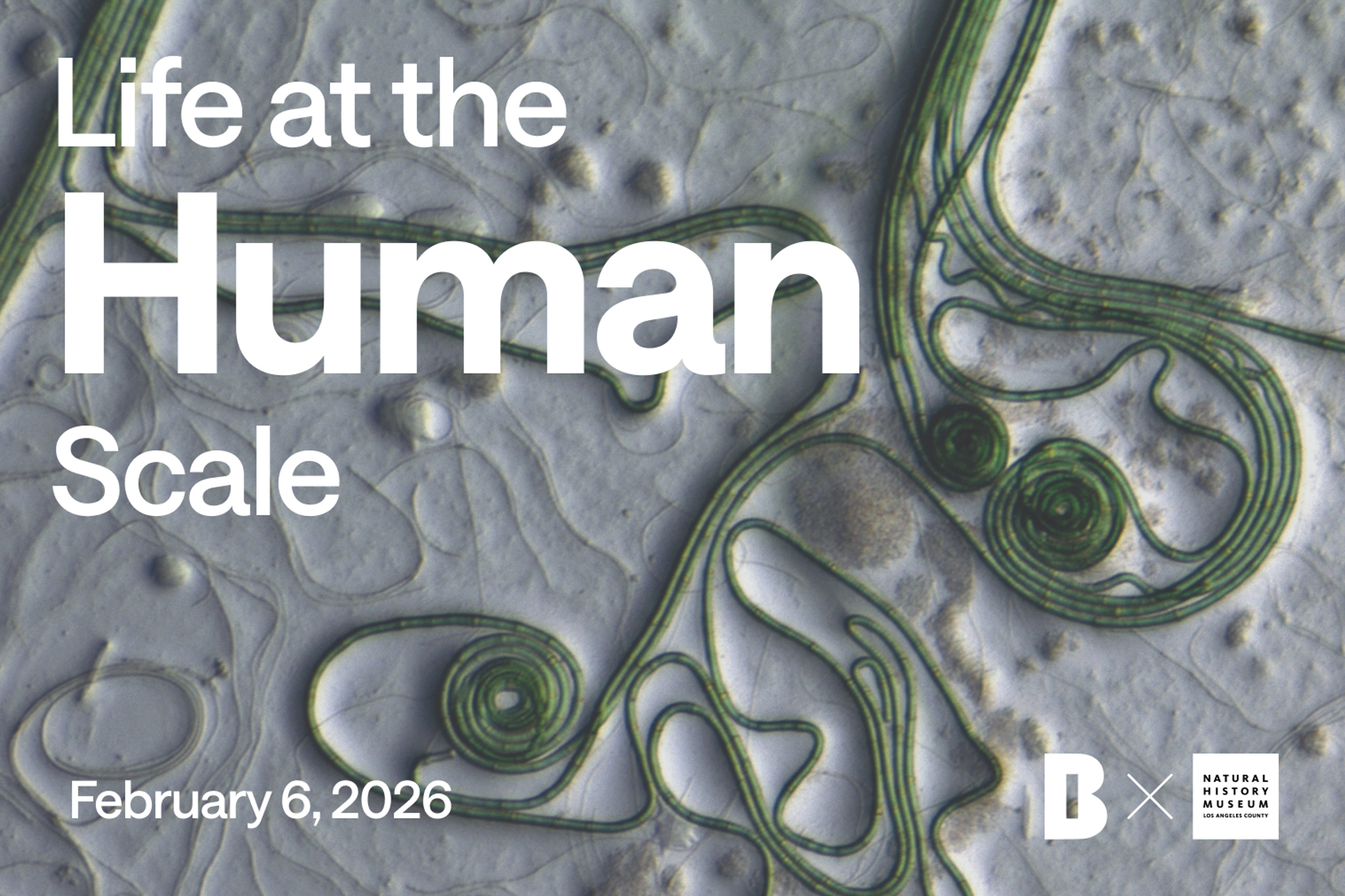
February 6, 2026: Life at the Human Scale
We explore how human health, identity, and biology are shaped by the unseen life we rely on every day, and how those relationships challenge our understanding of what it means to be human.
More Info | Buy Tickets
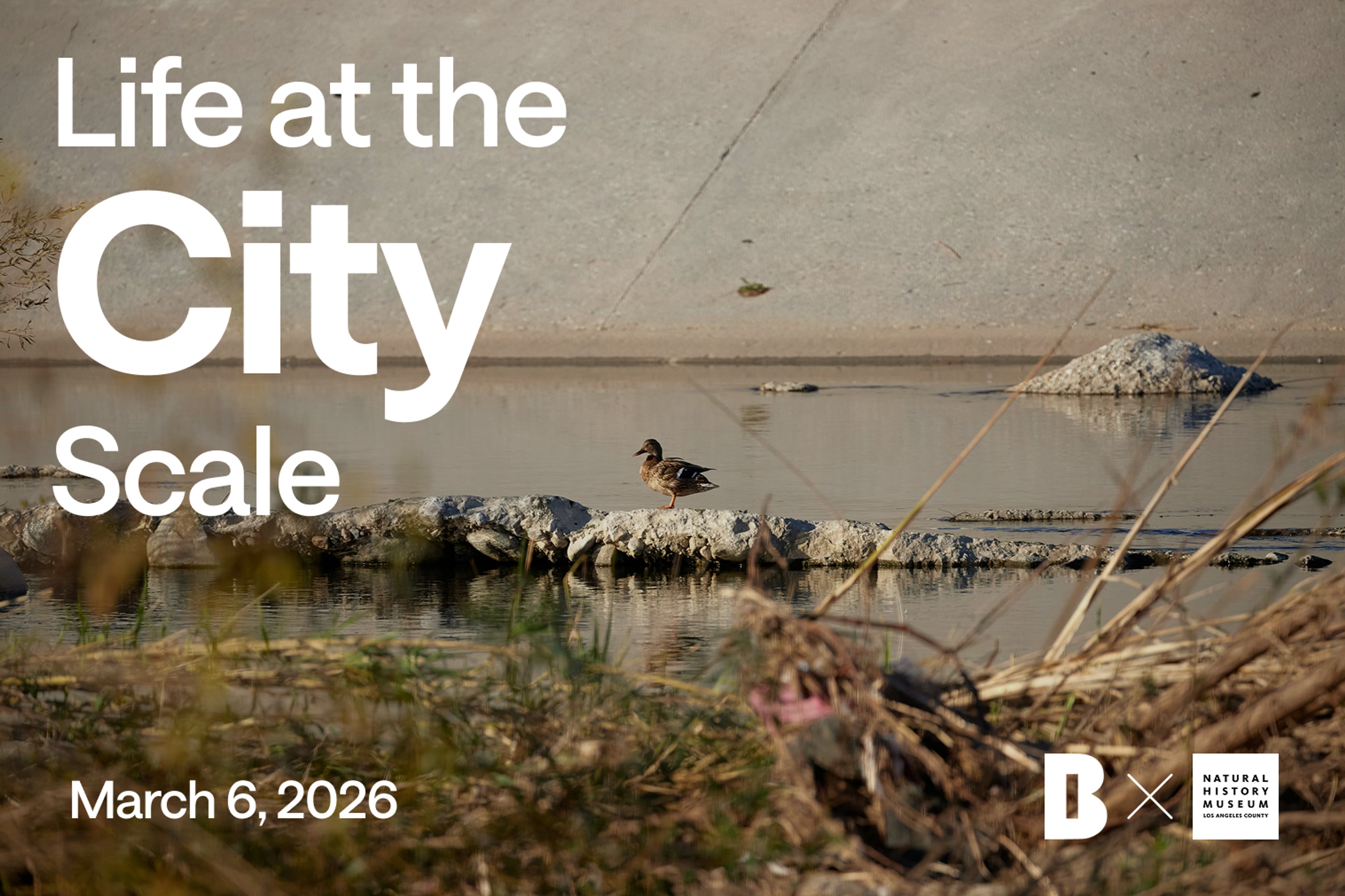
March 6, 2026: Life at the City Scale
Cities are not just built for people. They are complex ecosystems filled with living beings of every shape and size. Join us to examine who we share our neighborhoods with, how urban life affects other species, and how those relationships shape the city itself.
More Info | Buy Tickets
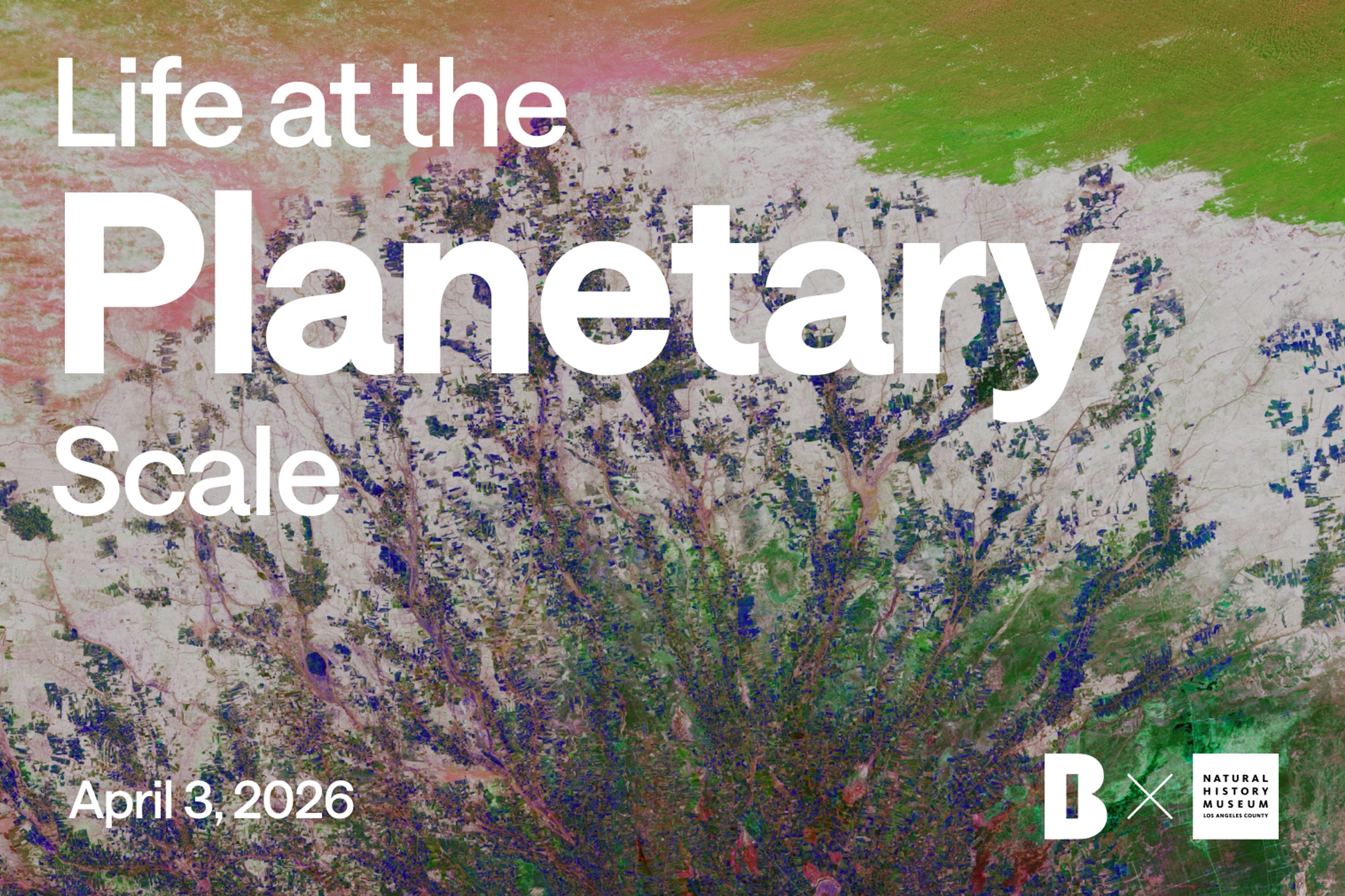
April 3, 2026: Life at the Planetary Scale
Life does not simply exist on Earth. It shapes the planet itself. This conversation investigates how life and Earth have influenced one another over billions of years, and how that relationship continues to shape the planet we live on today.
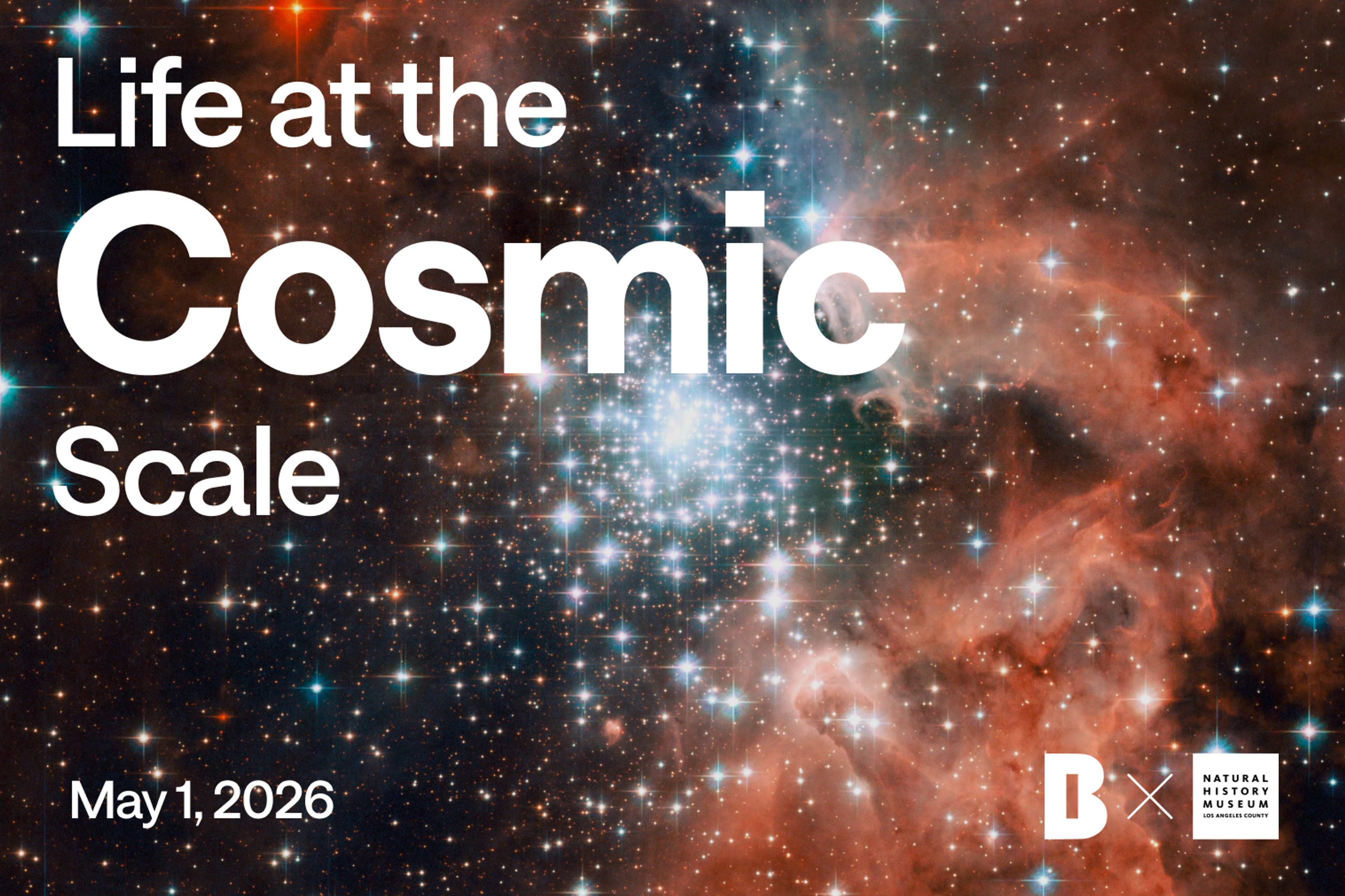
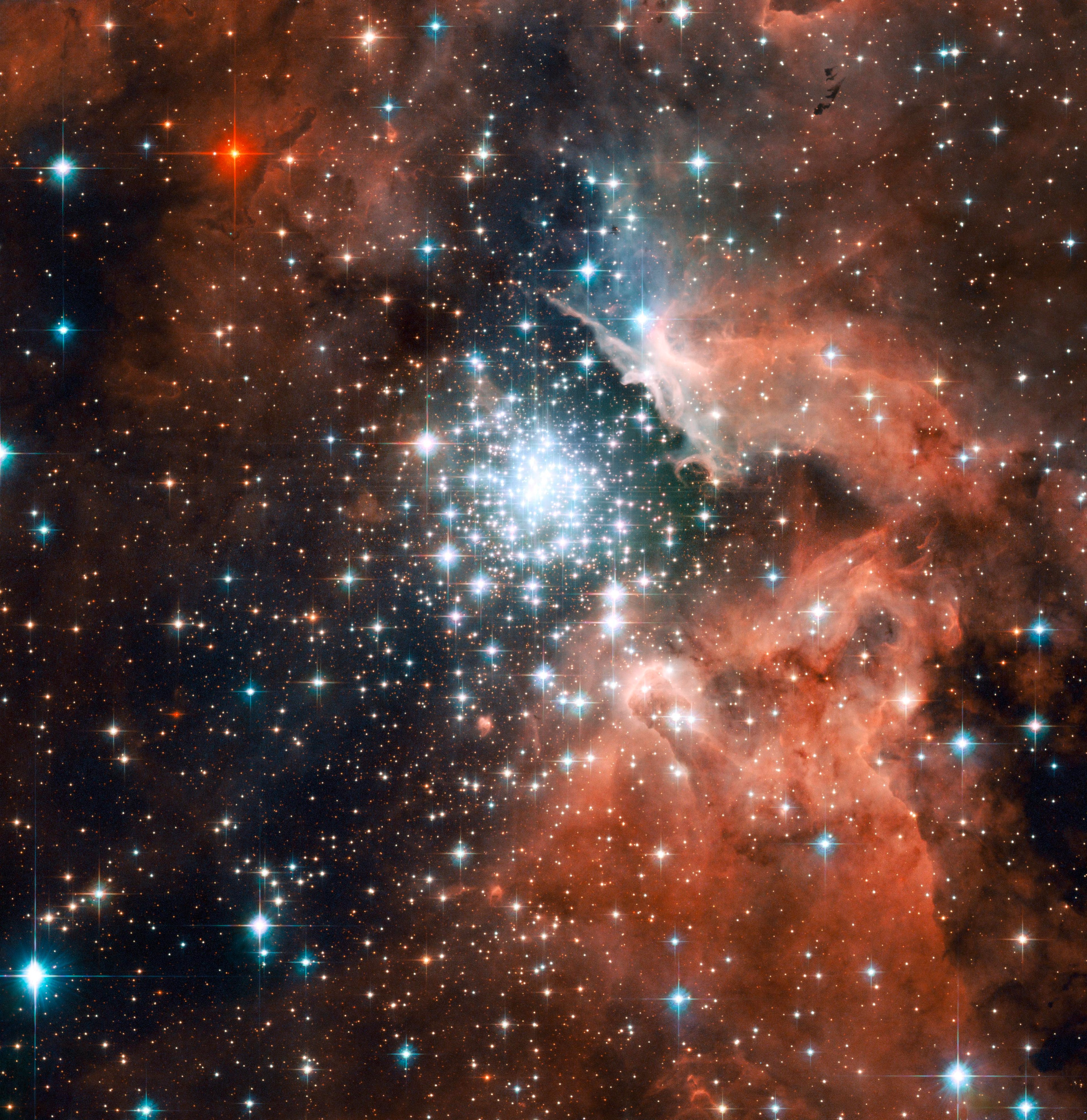
May 1, 2026: Life at the Cosmic Scale
What has the search for life beyond Earth revealed about life here at home? Join us to explore how looking outward into space has reshaped our understanding of biology, evolution, and what it means to be alive.
About NHM's First Fridays
First Fridays celebrates 20 years as Los Angeles’ premier museum after-hours experience, where exclusive nighttime access to the Natural History Museum of Los brings music, science and culture together for an engaging evening of conversation and community. Throughout the night, guests are free to explore the Museum at their own pace, exploring galleries and exhibitions in a lively, social setting.
In addition to live music featuring tastemaking artists from around the globe, along with locally-loved DJs and all-night dancing, the First Fridays signature discussion series continues, presented in collaboration with the Planetary Program at the Berggruen Institute and moderated by trusted science communicator and neuroscientist Dr. Yewande Pearse. Each program features engaging conversations with scientists and topic experts from NHM and across the country.
Outputs
Life at the Cosmic Scale

Life at the Planetary Scale
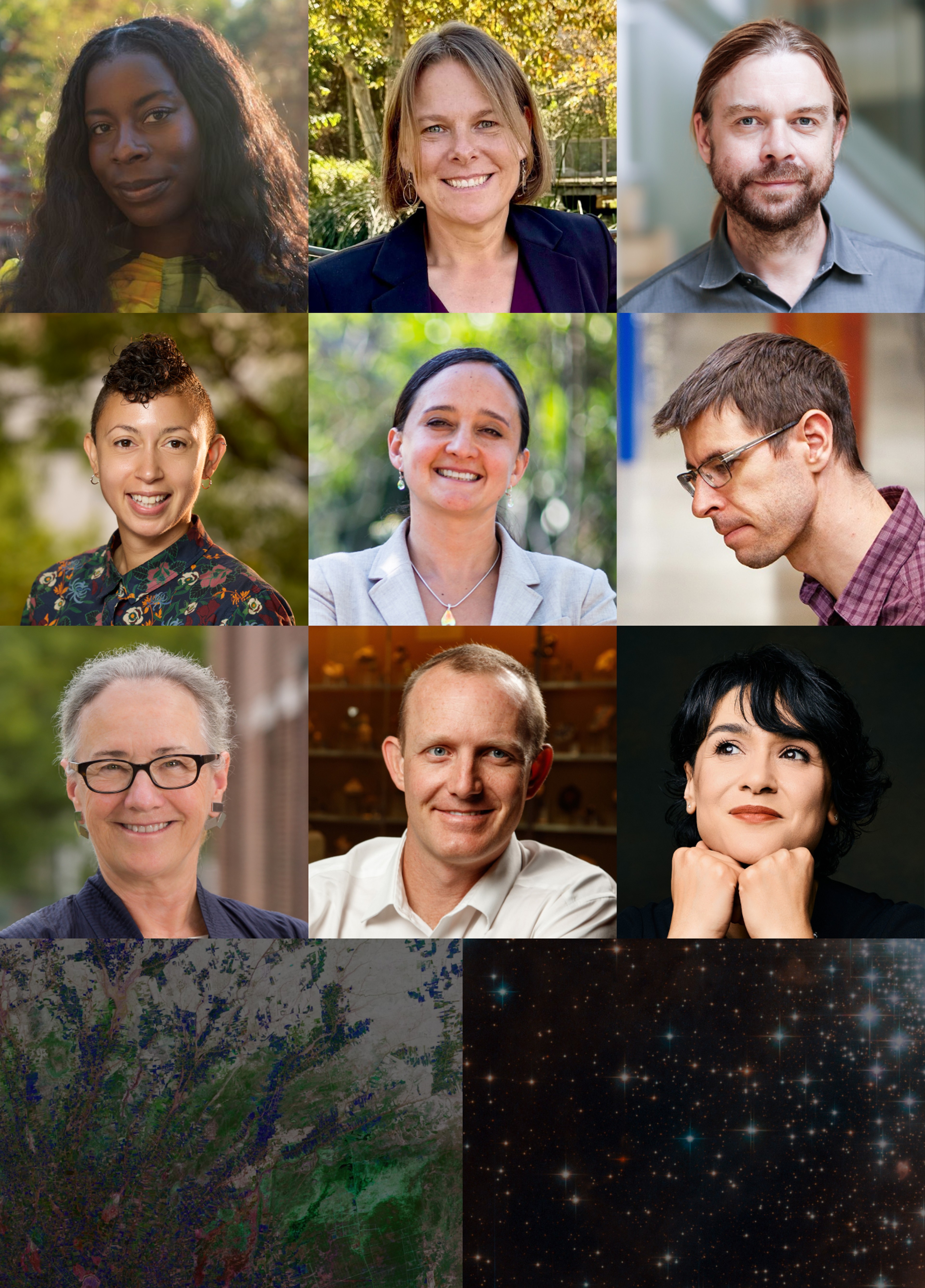
Life: From Our Guts to the Galaxy - Speakers

Life at the City Scale

Life at the Human Scale
Related Projects
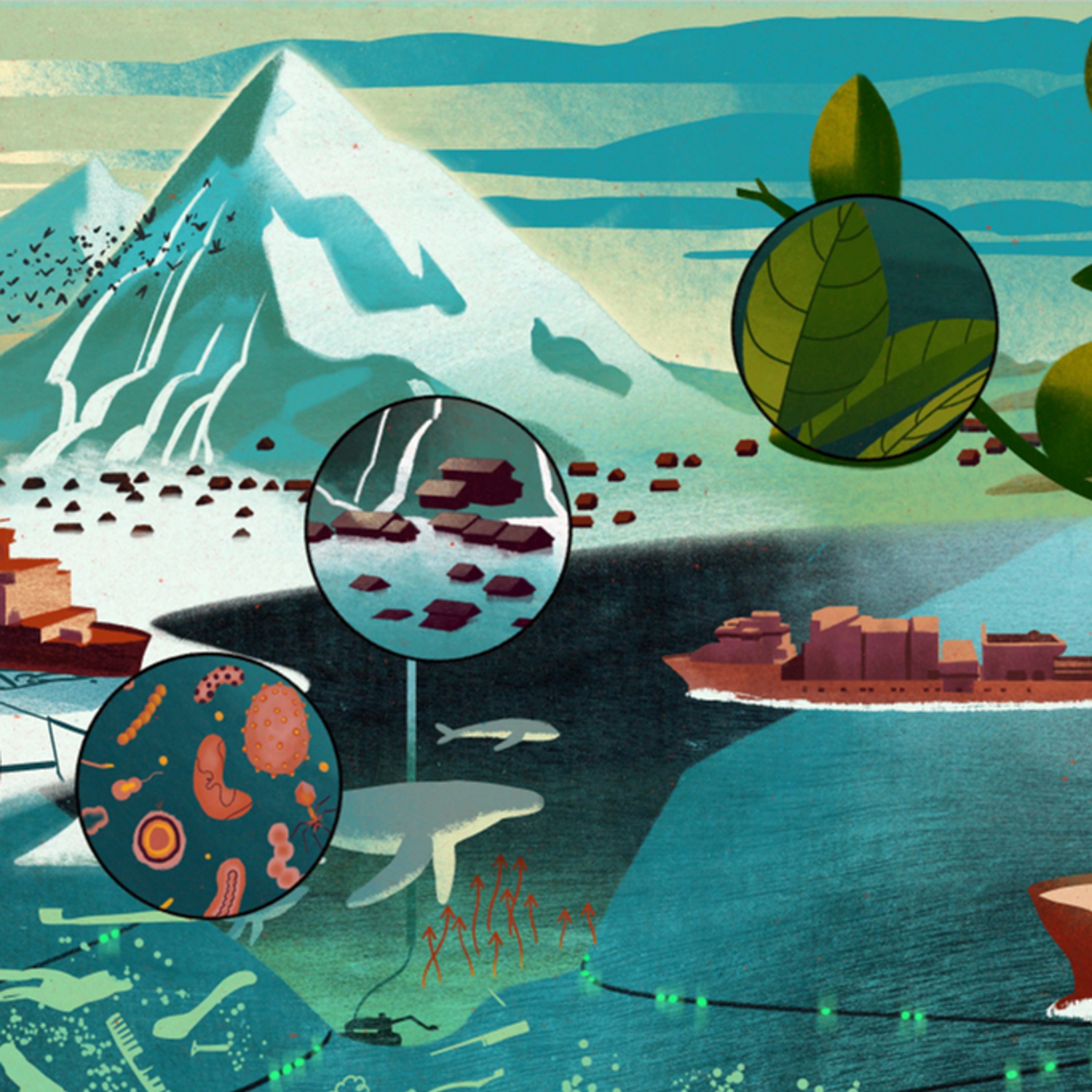
Planetary Compendium
Planetary Metaphysics
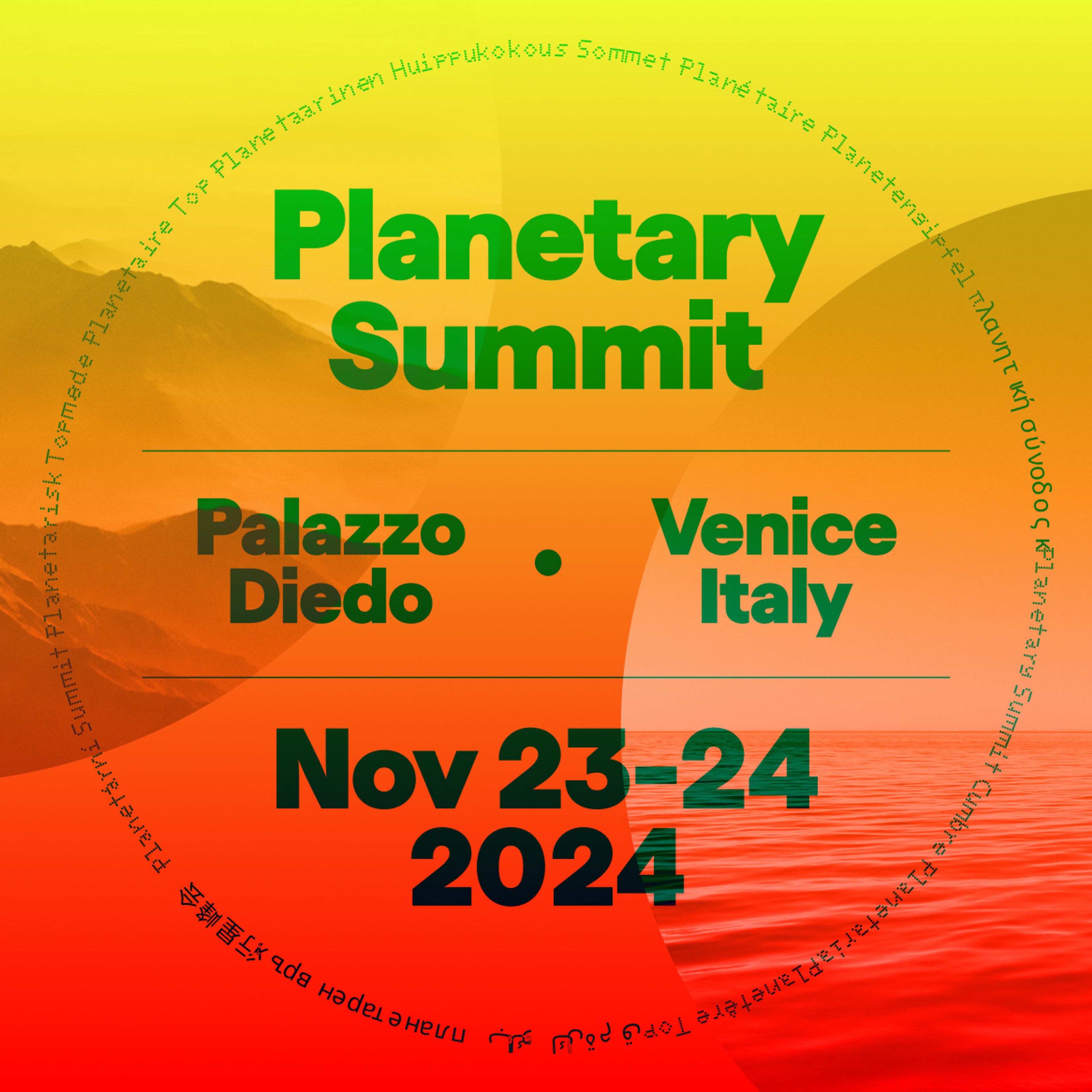
Planetary Summit
Planetary Heat
Planetary Portal

Planetary Institutions
Planetary Health
The Multispecies Constitution Project

California China Carbon Market Integration Project

Council for the Future of Europe
21st Century Council